
REVIEW · PAELLA COOKING CLASSES
Málaga: Paella and Sangria Cooking Class with Market Visit
Paella starts at the market, not at a screen. This 3.5-hour Málaga class pairs an Atarazanas Market walk with a hands-on kitchen lesson, so you learn what to buy, what to taste, and why it matters.
I love the extra virgin olive oil tasting, especially the careful way the flavors are explained alongside simple bites. I also love the paella instruction, because the chef focuses on technique you can actually use later, not just on the dish itself.
One thing to plan for: no luggage or large bags are allowed, so go light and keep your daypack easy to carry.
Key highlights in a nutshell
- Atarazanas Market morning walk (or a direct kitchen start when the market is closed)
- Olive oil tasting with traditional nibbles, before you cook
- Hands-on paella plus homemade gazpacho in a modern kitchen
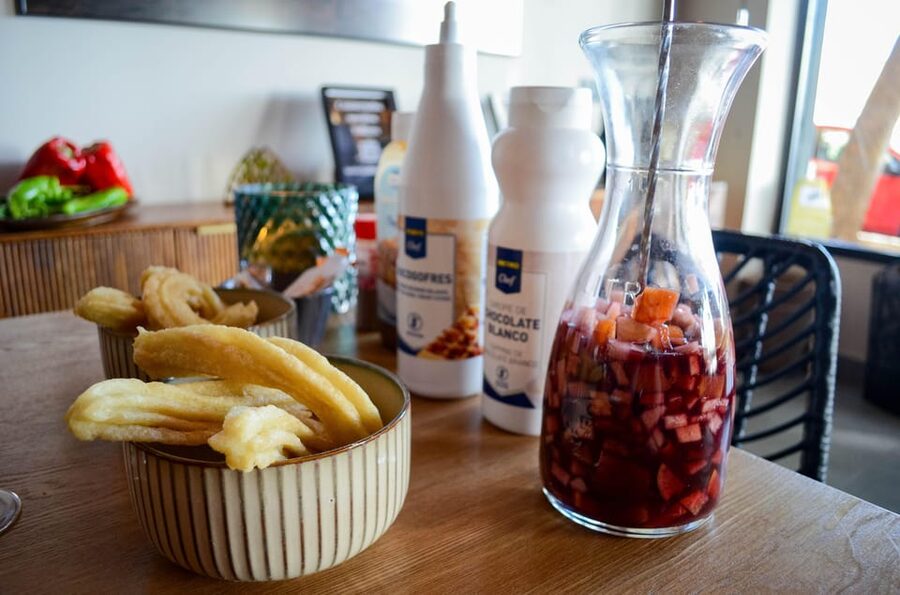
- Sangria, wine or beer, and churros included with your lunch
- Apron to take home and recipes sent the next day
- English live guide, with market stories and food context
More of the city, from the port up to Gibralfaro
- Málaga: Alcazaba and Roman Theatre Guided Tour With Entry★ 4.8 · 5,792 reviews
- From Malaga and Costa del Sol: Gibraltar Tour★ 4.4 · 4,483 reviews
- Malaga: Teatro Flamenco Malaga Live Flamenco Show★ 4.7 · 4,254 reviews
- From Málaga: Ronda+Setenil de las Bodegas with Little Train★ 4.6 · 4,115 reviews
Why this Málaga paella class feels different from the usual show-and-cook
If you care about learning real cooking, not just eating it, this format works. You start by seeing the ingredients in Málaga’s market setting, then you move straight into the kitchen where those ingredients become your lunch. That link between what you choose and what ends up on the pan is the whole point.
I like that the experience is built around a classic meal, not a random list of tasks. You’ll cook paella, make gazpacho, taste extra virgin olive oil, and finish with sangria, wine or beer, and churros. It’s structured, but it still feels relaxed enough to ask questions.
And the best part for practical home cooks: the class emphasizes method. So even if you buy different seafood or adjust to what you can find at home, you’re not starting from scratch.
Entering Kulinera: where the class starts and how to arrive simply
You meet at Kulinera, Av Manuel Agustín Heredia 24. There’s an underground parking right in front called Parking de La Marina, which is a handy detail if you’re renting a car or using a rideshare drop-off that can loop back.
You should also know the luggage rule up front: no luggage or large bags are allowed. That affects what you bring more than anything else. If you’re on a multi-day trip with rolling suitcases, it’s worth arranging storage ahead of time.
Once you’re in, the pace changes quickly from walking around Málaga to cooking. Plan on being hands-on, so wear something you’re comfortable moving in, and keep your phone accessible for photos before you start working.
Atarazanas Market: what you learn before the stove ever heats up
On weekday and Saturday mornings, the day begins with a relaxed walk to the Atarazanas Market. This is the kind of place where you can feel how Andalusian cooking is built: fresh produce, seafood, and pantry staples, all in the same neighborhood rhythm.
You’ll explore the market at a comfortable pace and sample regional delicacies along the way. The goal isn’t to turn you into a full-time food shopper. It’s to help you recognize what makes paella work: the ingredients’ freshness and the role of seasoning.
A nice touch is that the guide adds city and food context while you walk. In at least one English session, the guide Anaïs shared market stories and Spanish kitchen facts, which makes the time feel purposeful rather than just sightseeing.
Practical drawback to keep in mind: timing matters here. If you’re the type who wants to wander for an hour on your own, this market stop is designed to be used efficiently, not to explore everything at your own pace.
More kitchens that will teach you the rice
When the market is closed: Soho District kitchen time instead
On Sundays and evening sessions, the market is closed. Instead, you head straight to the cooking stage: a spacious, contemporary kitchen in the Soho District, just steps from the market area.
This is actually a smart setup. You still get the olive oil tasting and the full cooking flow, but you’re not competing with market hours. For travelers who want a calmer schedule, this kitchen-forward version can feel even more comfortable, since you skip the walking portion and go right into prep.
So, depending on the day you book, you’ll get the same menu and core training, just with a different opening segment.
Olive oil tasting plus gazpacho: training your palate fast
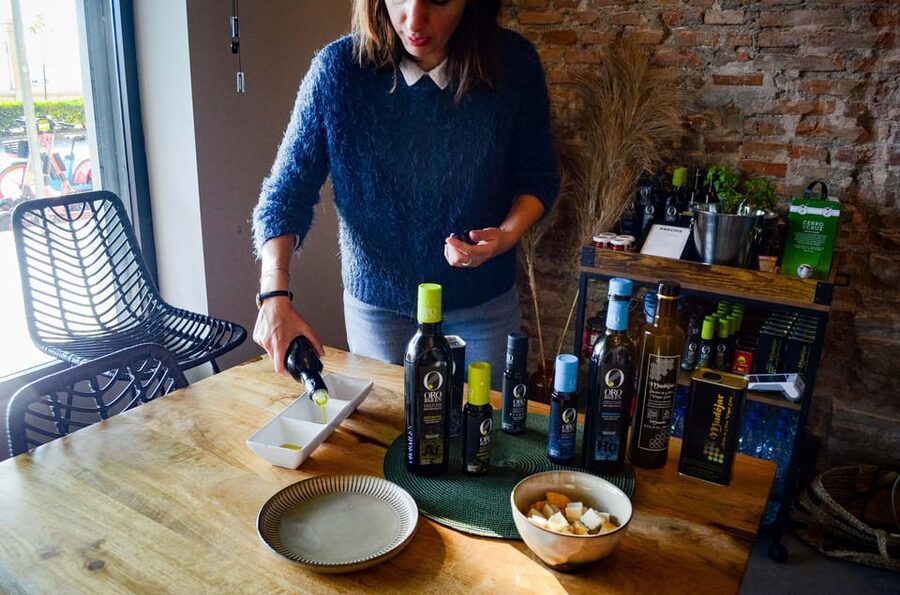
Before you put on your apron, you start with an extra virgin olive oil tasting. You’ll learn to notice differences in flavor, and it’s paired with traditional nibbles. This is one of those “small” parts that pays off later, because paella is not just about the pan. It’s about building flavor from the start.
Then you shift into homemade gazpacho. Gazpacho is a great palate reset for a couple reasons. It trains you to balance acidity, freshness, and texture, and it makes the meal feel complete instead of heavy.
I like that you’re not forced to choose between learning and eating. You’re tasting and cooking at the same time, so the class stays interactive.
If you have food intolerances, this is also a moment to speak up. One session specifically mentions that the experience can take incompatibilities into account, so it’s worth messaging in advance so the team can plan.
The paella lesson: technique you can repeat at home
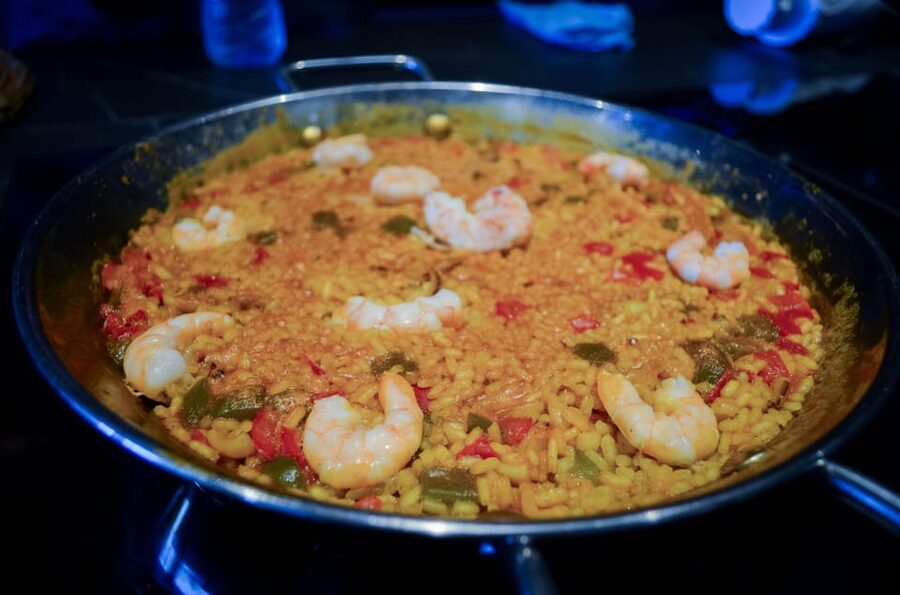
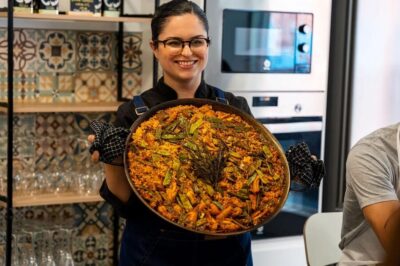
Paella is one of those dishes where people either get lucky or they struggle. This class aims to fix the “luck” part by teaching the technique. You’ll cook a classic Spanish paella with guidance from the chef, and the instruction is detailed enough that you leave with a mental checklist.
One useful idea for home practice that comes up in the class: keeping the protein choices lighter can make the result easier to manage. In other words, using seafood-forward options like shrimp and cuttlefish can help you get something you’ll want to cook again and again. If you’re trying to recreate the taste at home, that advice is more helpful than a long list of ingredient substitutions.
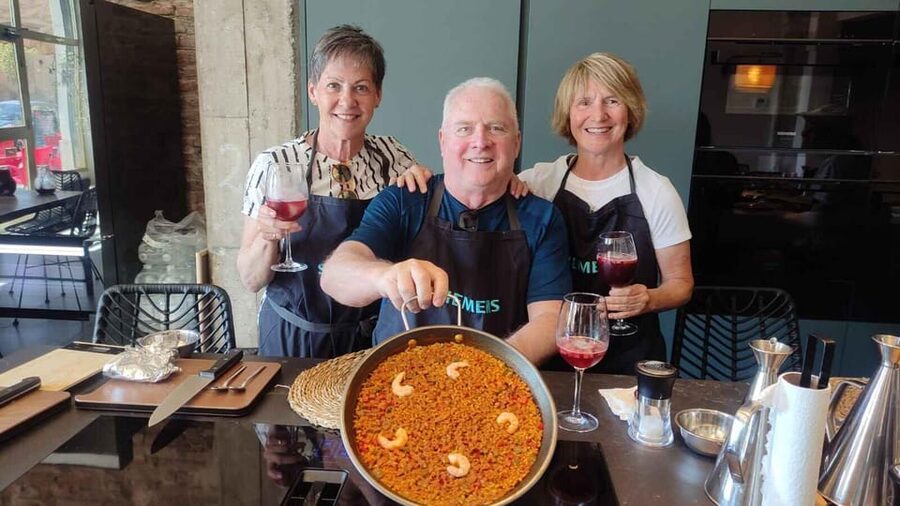
Also, you’re not just watching. It’s a 100% hand-on paella class, so you’re doing the work, not standing to the side. That matters because paella is about timing and heat. Even when you don’t master everything in one meal, you leave knowing what to pay attention to next time.
The class also ties back to what you saw at the market. You learn why certain ingredients are chosen and how spices and seasonings fit into the overall flavor.
Possible consideration: because it’s hands-on, you’ll be doing real prep. If you’re expecting a slow, sit-and-smell experience, this isn’t that kind of class. It’s for people who like to participate.
Lunch with sangria, wine or beer, and churros
Once the cooking is done, you sit down and eat what you made. The lunch includes paella, gazpacho, and the sweet finish of churros.
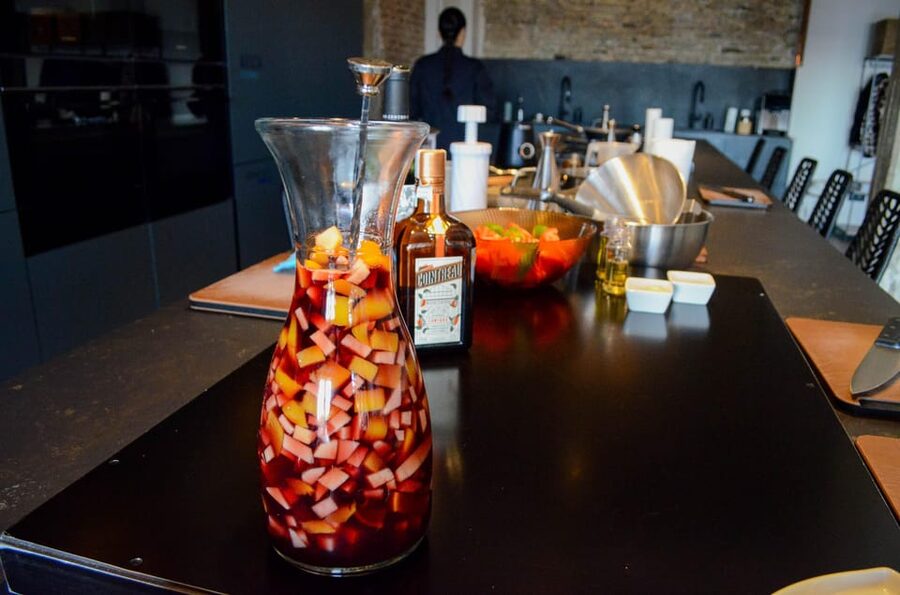
Drinks are part of the package too. You’ll have sangria, and you’ll also get wine or beer with the meal. This is a good balance: sangria adds that Málaga-style holiday vibe, while wine or beer keeps it easy to pair with the food.
One practical benefit of this setup is that the meal isn’t rushed. Because you cooked it together, you don’t feel like you’re eating a pre-plated tourist lunch. The whole point is to learn what you’re eating, then enjoy it immediately after.
And yes, churros are a classic for a reason. They land well after a hearty paella and keep the meal from feeling too “training heavy.”
What you take home: apron, recipes, and a repeatable skill
You get a special gift: you can take your apron home. It’s small, but it’s a nice reminder that you actually did the cooking.
Then there’s the bigger value item: all recipes are sent the next day. That means you don’t have to scribble details during class or rely on fuzzy memory later.
For practical travelers, recipes delivered after the experience are ideal. You can recreate the dish when you’re home and already unpacked your groceries. You also have time to compare what you made with what you can source locally.
If you like to cook when you get back, this is the kind of class that creates a “future meal,” not just a one-time experience.
Price and value: what you’re paying for at about $94
At $94 per person for about 3.5 hours, you’re not just buying dinner. You’re buying a guided market portion, a hands-on cooking lesson, multiple tastings, and the full meal with drinks.
Here’s why the value adds up:
- You get the Atarazanas Market experience (when running as a morning session) plus tasting
- You receive instruction for both paella and gazpacho
- You get olive oil tasting, sangria, and wine or beer
- You also get churros and the apron gift
- Recipes arrive after the class, so your learning continues at home
Is it cheap? No. But it’s priced like a structured culinary experience with real teaching time and included food and drink. For many people, that total bundle is the difference between regretting a cooking class and genuinely using what you learned afterward.
Who should book this class, and who might want something else
This is a great fit if:
- You want a hands-on Málaga food experience that includes more than one dish
- You care about learning paella technique, not just eating it
- You like combining a market visit with a kitchen lesson
- You want an English guide and a group dynamic that lets you ask questions
It may not be the best fit if:
- You want a totally free-form market wander without cooking pressure
- You need to bring luggage or large bags (you cannot)
- You prefer very quiet, minimal participation activities
If you’re traveling with dietary needs, it’s worth checking ahead. The experience can consider food intolerances, but good results start with clear communication.
Should you book Spain Food Sherpas in Málaga?
I’d book this if your goal is to come away with more than a full stomach. The mix of Atarazanas Market, olive oil tasting, hands-on paella, and a meal that includes sangria and churros makes it a strong use of time in Málaga.
It’s also a smart choice for anyone who wants confidence cooking paella later. The class pushes you toward technique you can repeat, and it gives you the recipes the next day, which is exactly what you need once you’re back home and staring at your pantry.
If you’re unsure, choose based on your day. Morning sessions give you the market opening. Sunday and evening sessions still deliver the cooking lesson in the Soho District kitchen. Either way, you end up with a meal, a story, and a skill you can use again.
FAQ
How long is the paella and sangria cooking class in Málaga?
The experience lasts about 3.5 hours.
Where is the meeting point?
You meet at Kulinera, Av Manuel Agustín Heredia 24. There is underground parking in front called Parking de La Marina.
Is there an English guide?
Yes. The experience includes a live tour guide in English.
What food and drinks are included?
Olive oil tasting, sangria, gazpacho, paella, wine or beer with the meal, and churros are included.
Do you cook and eat lunch during the class?
Yes. You cook the paella and gazpacho, then sit down and eat your lunch.
When do you visit the market?
On weekday and Saturday mornings you visit the Atarazanas Market. On Sundays and evening sessions, when the market is closed, you go directly to the kitchen.
Are luggage or large bags allowed?
No. Luggage or large bags are not allowed.
What is the cancellation and payment policy?
Free cancellation is available up to 24 hours in advance for a full refund. You can also reserve now and pay later.
More Tour Reviews in Malaga






Cook It Yourself


Malaga, Three More Ways
Fresh on the Malaga list


Paella Cooking Classes, compared.
 ★ 4.9Spanish Cooking Workshop with Paella and SangriaFrom $78613 reviews
 ★ 4.1Sailing Catamaran with Swimming and Paella LunchFrom $53578 reviews
 ★ 5.0Paella Cooking Class in MalagaFrom $84209 reviews
 ★ 5.0Paella Cooking Class with English Guide in MalagaFrom $84149 reviews
 ★ 5.0Paella and Sangria Workshop in MalagaFrom $84108 reviews
 ★ 4.5Paella and Tapas Tour with The Best Flamenco ShowFrom $10878 reviews
 ★ 4.03-Hours Catamaran Tour in Malaga with PaellaFrom $5477 reviews
 ★ 5.0Paella & Arroz Course in the Breathtaking Montes de MalagaFrom $16249 reviews
Browse the lists this tour appears in