
REVIEW · RONDA TOURS
Ronda: Tajo de Ronda Via Ferrata Guided Climbing Tour
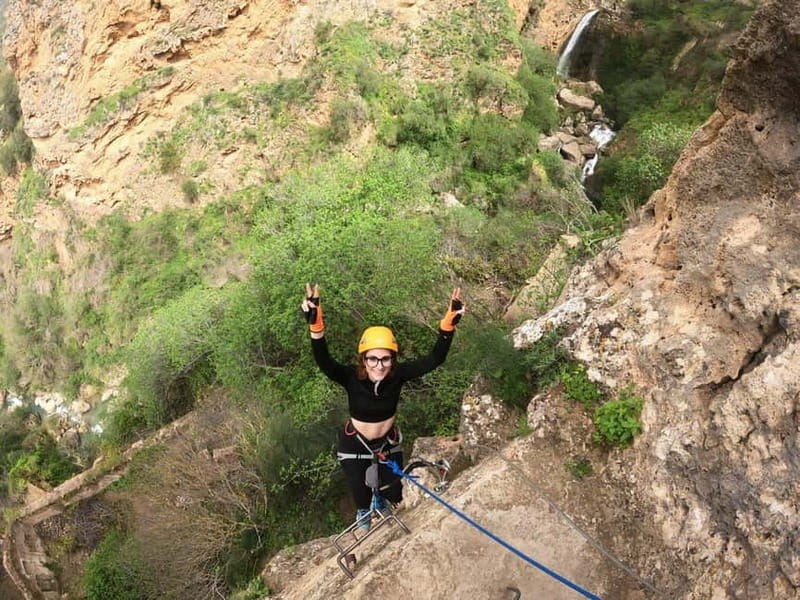
Rope up in Ronda’s gorge, then climb. This guided Tajo de Ronda via ferrata is an adrenaline hit with expert supervision, plus all the gear you need, so you can focus on the rock and the views. What I like most is how the guides keep you thinking about safety first, not bravado.
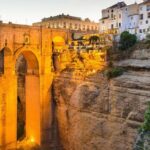
The second thing I love is the payoff. You get big panoramas over the Puente Nuevo area, and you also learn what you’re looking at, including stories tied to the Olla de Ronda and the surrounding mountains. It turns a scary-looking wall into something you understand and can enjoy.
One drawback to consider: it’s not recommended for vertigo, and you do need solid physical health. If heights make you panic, this is the kind of activity you should skip.
Key highlights in 60 seconds
- Small group (up to 10) keeps the instruction personal
- 50 meters of elevation gain gives you a real workout and a real climb
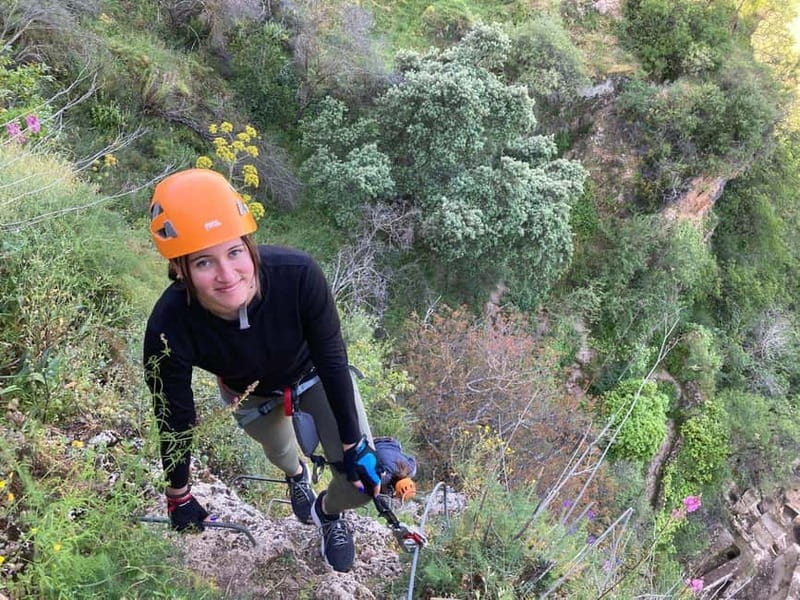
- Supervised skill-building helps you progress safely, even if you’re new to this
- Puente Nuevo viewpoints during the route feel like a front-row seat
- History lessons add meaning to what you’re seeing, like the Olla de Ronda
- Photos and video are included, plus snacks and drinks
More runs up into the sierra
- From Malaga: Ronda and Setenil Tour with Scenic Train★ 4.8 · 2,895 reviews
- Ronda: Spanish – Classical & Flamenco – Guitar Concert★ 4.8 · 108 reviews
- Ronda: Guided Walking Tour★ 4.6 · 104 reviews
- Ronda: 2-Hour Private Walking Tour★ 4.6 · 87 reviews
Tajo de Ronda Via Ferrata, in plain terms
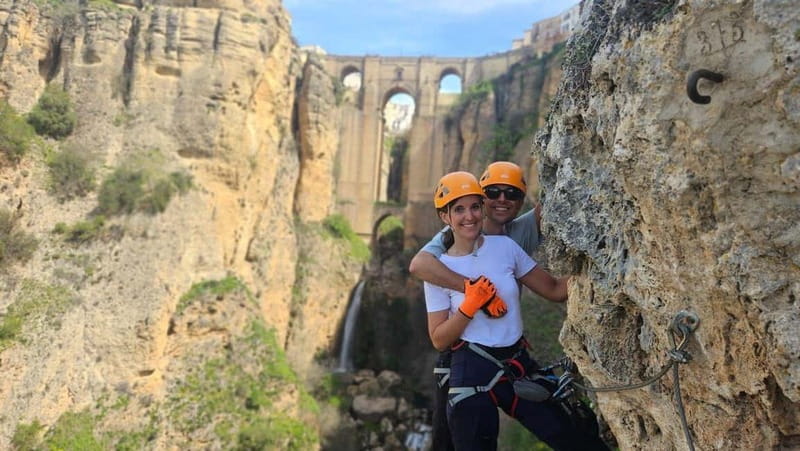
A via ferrata is basically a climbing route that’s been equipped with fixed hardware, so you’re not negotiating loose rock or trying to figure out the safest line with no training. On this tour, you’re stepping into one of Andalusia’s most famous gorge settings: the Tajo de Ronda area, right where the dramatic drop defines the town’s personality.
What makes this tour work for real people is the structure. You’re not just handed a harness and pointed upward. You get a briefing, then hands-on guidance while you move along the route. The goal is that you finish feeling like you could repeat the basics later, not like it was pure luck.
You’ll also be close to the stone. That direct contact is part of the thrill. You feel the rock, you listen to your guide’s directions, and you learn how to trust the system. Then, just when you think you’ve seen enough cliff, the best views show up.
Starting at Carretera de los Molinos: how the tour kicks off
Your day starts at Carretera de los Molinos. There’s no complicated puzzle about where to meet, but do plan to arrive a few minutes early so you can check in calmly. The provider contacts you after booking to share a Google location, which is handy when you’re navigating around Ronda.
Once you’re gathered, expect the tour to begin with the practical stuff that keeps the whole experience from feeling chaotic. The climb is only part of it. The other part is learning how to move safely, how to manage the gear, and how to follow the guide’s pacing.
This matters because via ferrata climbing is not just about strength. It’s about movement control. If you’re nervous, a clear start helps. If you’re excited, a clear start still helps, because it channels that excitement into good technique.
You’ll then head to the Tajo de Ronda area for the main climbing time.
The main stop at El Tajo de Ronda: what you do up on the route
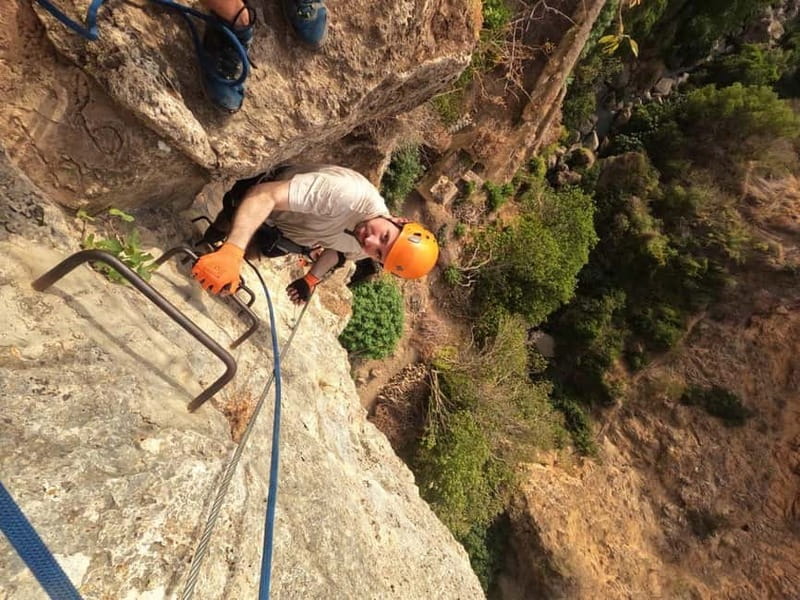
This is the core experience. The guided portion runs about 2.5 hours for the climbing segment, and the overall activity is around 2 to 3 hours when you include the initial briefing and practical learning.
What you can expect on the wall:
- You’ll climb using the route’s fixed features while staying connected to your safety system.
- You’ll be coached on how to progress, so you’re not guessing at each step.
- Your guide sets the pace for your comfort level.
The activity includes an elevation gain of about 50 meters. That doesn’t sound huge on paper, but on cliff terrain it’s very real. The goal isn’t to prove you’re superhuman. The goal is to feel the “I’m actually doing this” moment, and then keep building confidence as you move higher.
Also, the route is designed so that you can do it with no prior experience. That doesn’t mean it feels easy. It means you should be able to succeed if you can follow instructions and you’re in decent shape.

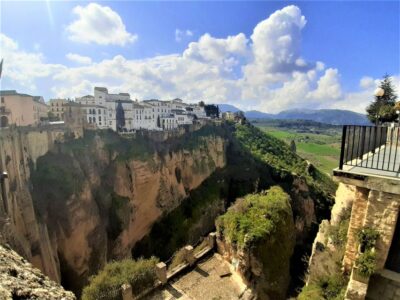
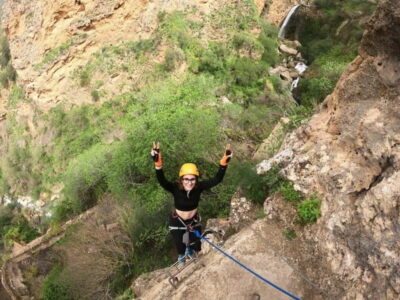
Learning the views: Puente Nuevo, Olla de Ronda, and the cliffs
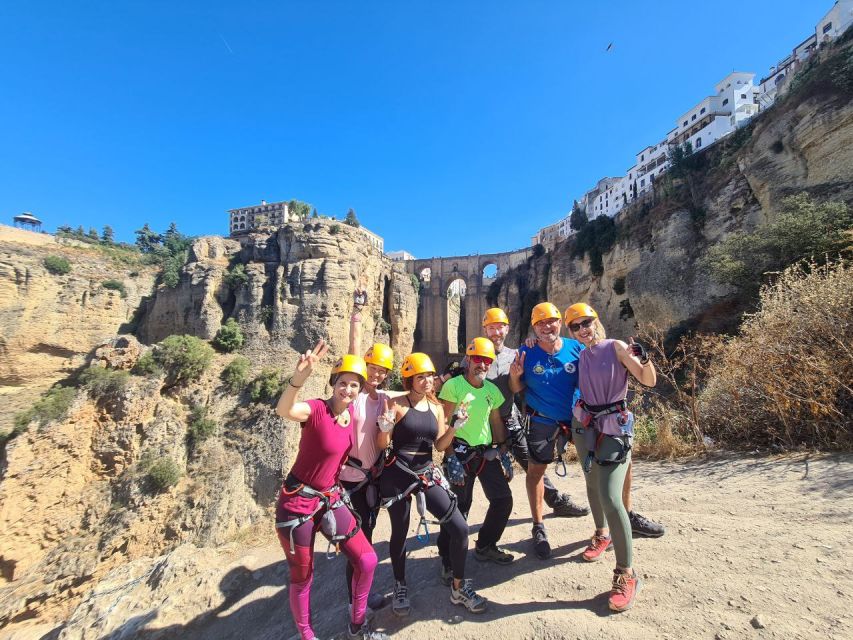
One of the best parts of this tour is that it turns sightseeing into something active. As you climb, the views open up in stages, so you’re not just taking one photo from one spot. You’ll get angles over Ronda’s historic area, including Puente Nuevo, as you gain height.
And it’s not only visuals. The guide also teaches you what you’re seeing, including the history tied to the Tajo de Ronda, the Olla de Ronda, and the surrounding mountains. When you learn a few key stories, the gorge stops feeling like just a dramatic backdrop and starts feeling like a place with meaning.
A practical note: bring a moment of patience for the viewpoint moments. If you’re breathing hard, it can be tempting to rush and miss the view. I like this kind of tour because the structure forces you to slow down just enough to notice what makes Ronda special.
Safety, gear, and the small details that make it feel controlled
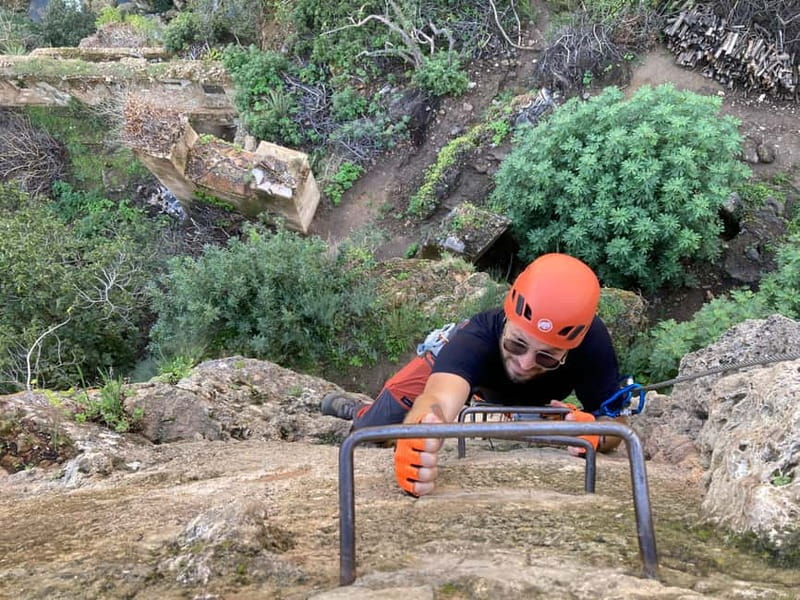
The tour includes all technical equipment and accident insurance, which is exactly what you want for a cliffside activity. You’re not sourcing your own harness or trying to interpret gear charts.
Your guides are also the whole point here. The experience is supervised, and that shows in the way people describe it: they felt safe, they got clear explanations, and the guides made the day fun instead of stiff.
The guide lineup you may hear about includes names like Julio, Pablo, and Jose. Across those accounts, the common thread is instruction that’s both safety-focused and practical, with enough personality to keep the nerves down.
A few things you should take seriously before you go:
- It is not recommended for people who suffer from vertigo.
- You need good physical health.
- It is not suitable for children under 14.
- It is not suitable for pregnant women.
- It is not suitable for wheelchair users.
If you fit those limits, the safety system plus guided coaching is what turns the “I can’t do this” feeling into “Okay, I’ve got this.”
Gear and clothing: what to wear so you can enjoy it
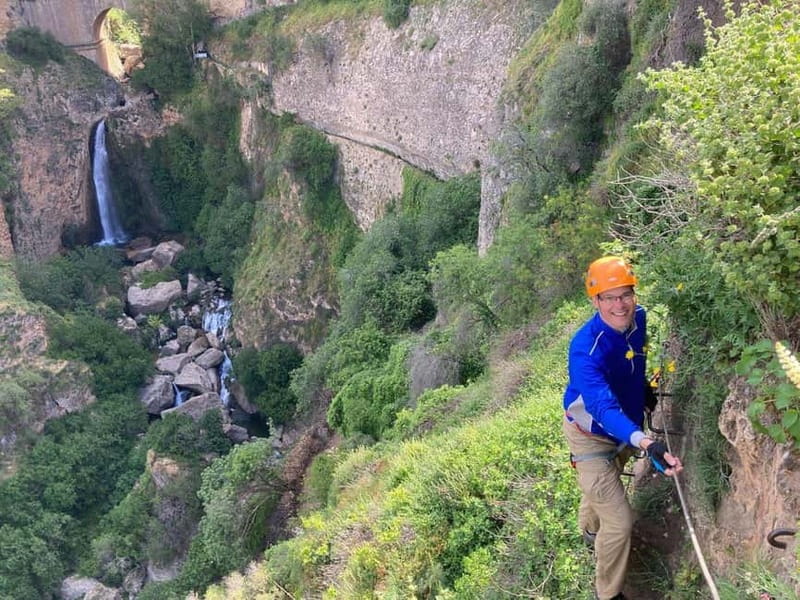
You don’t need mountaineering gear for this tour, but you do need the right basics. Bring:
- Hiking shoes (or sports shoes)
- Sportswear
The big reason shoes matter is grip. You’re on a guided via ferrata route where your movement will depend on stable footing. If your shoes are too soft, too slippery, or worn out, you’ll feel it fast.
Sportswear matters because you’ll be moving your body in awkward angles. Tight jeans are a bad plan. You want something that breathes and lets you move without constant adjusting.
If you’re the type who likes to pack extra for comfort, you might also think about bringing a small water bottle for outside the included snacks and drinks, but the tour does include snacks and drinks already, so you may not need extras.
Group size, language, and why it matters on a cliff
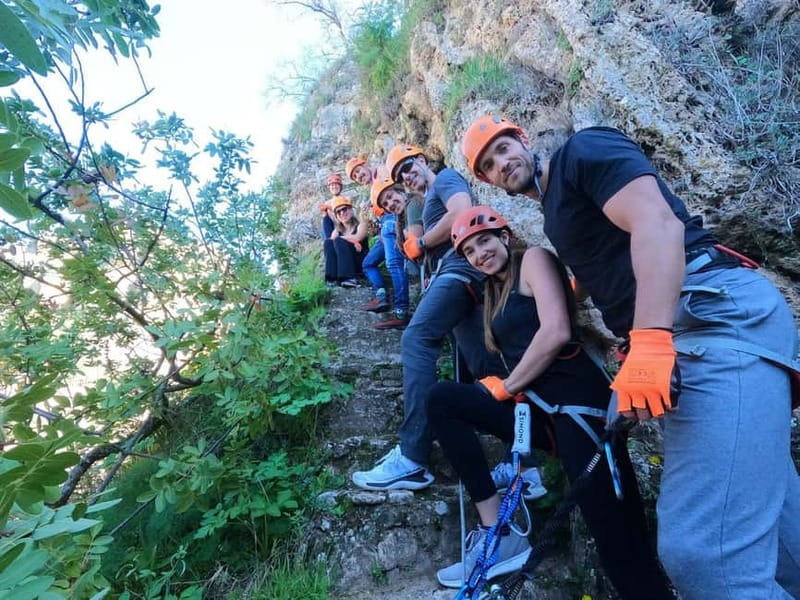
This is a small group tour, limited to 10 participants. On a via ferrata, smaller groups are not a luxury. They help the guide watch you, correct your movement early, and keep everyone flowing without waiting forever.
Your guide can speak Spanish, English, and French, and they can adjust to your language preference. That’s important because safety instructions and route navigation are hard to absorb if you’re working through translation gaps.
If you’re traveling with mixed language needs in your group, this is a strong choice. Even if you speak some Spanish or French, being able to switch into English or your comfort language keeps you from second-guessing instructions mid-climb.
Also, the guide’s personality matters. People often talk about guides like Julio and Pablo for being both super safe and very fun, and that balance is exactly what you want when you’re close to heights and moving with equipment strapped on.
Price and value: is $47 worth a guided cliff climb?
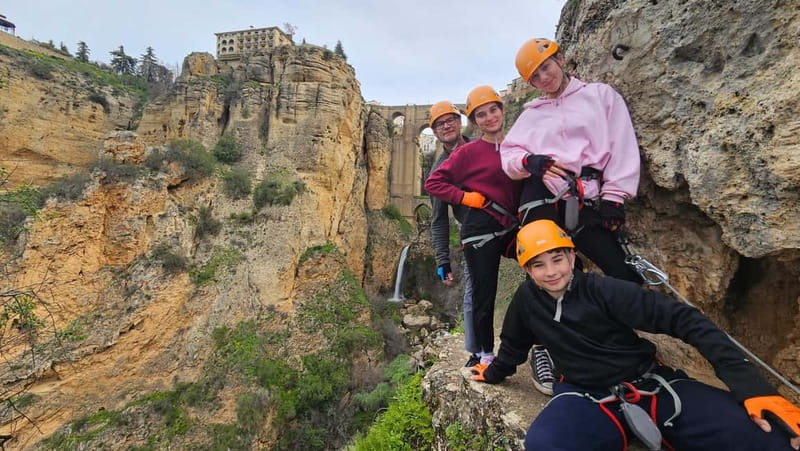
The price is $47 per person, which is genuinely reasonable for what’s included. Here’s why.
You’re paying for:
- A qualified guide who supervises you the whole time
- All technical equipment (so you don’t rent or buy gear)
- Accident insurance
- Snacks and drinks
- Video footage and photos
Add those together and the price starts to look less like “a cheap thrill” and more like a controlled, supported activity with documentation. Photo and video are a big deal for this kind of climb. Via ferratas can feel disorienting during the moment, so having footage you can review later makes the experience easier to remember.
Could it be more expensive than other light activities in Ronda? Sure. But this is not a stroll. You’re doing a vertical, guided, equipment-based adventure with safety coverage built in. For many visitors, that value comes down to one question: do you want to hike the gorge, or do you want to climb it?
If you’re athletic and like active travel, $47 plus gear plus guidance is a good deal.
Who should book this via ferrata tour in Ronda
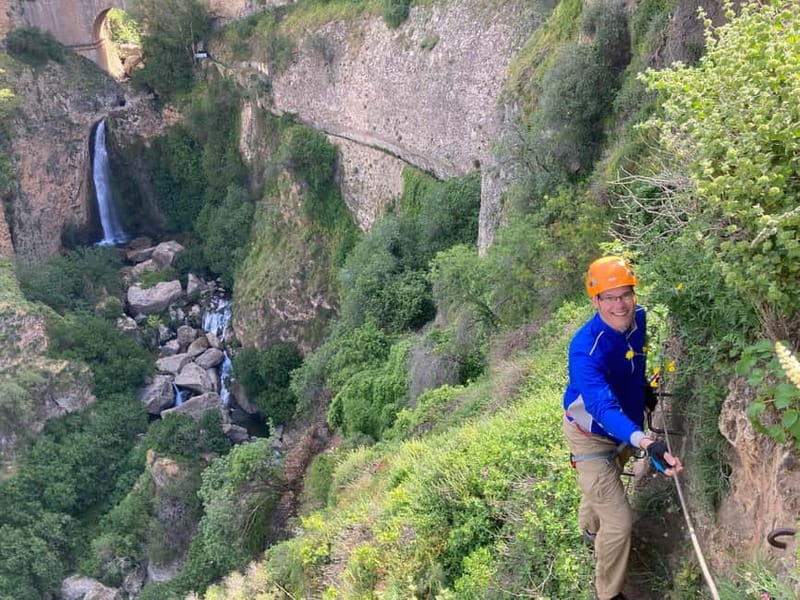
This tour is a strong fit if you:
- Want an adventure that feels safe because you have an instructor
- Are comfortable being challenged physically (it can be tougher than expected)
- Love the combo of exercise and views
- Prefer a small group with real guidance
You’ll also likely enjoy it if you’re the kind of traveler who likes a story while you look around. The guide teaches you about Tajo de Ronda and related local context, like Olla de Ronda, which makes the gorge feel more real.
Who should skip it:
- If heights trigger vertigo or panic
- If you’re dealing with pregnancy or mobility limitations covered by the tour’s restrictions
- If you’re looking for a very relaxed, low-effort activity
If you’re under 14, this one is also off limits. That’s not a deal-breaker, but it does matter if you’re planning family time.
What to do before and after, so the day stays smooth
Since pickup is not included, plan to make your way to the meeting point at Carretera de los Molinos. After the activity ends, you return to the same meeting point.
That structure is simpler than tours that scatter you across town or require complex drop-offs. It also lets you build your own schedule for the rest of the day.
One practical tip: after the climb, you’ll probably be tired in a very specific way, like your arms and legs have done more work than you expected for just a couple of hours. Build in time to eat, hydrate, and relax before rushing into a long sightseeing plan.
If you’re hoping to move on to classic Ronda sights, you can, but I’d treat via ferrata day as your main physical anchor activity.
Should you book the Ronda Tajo de Ronda via ferrata?
If you’re excited by heights but not fearless, this tour is often the sweet spot because you’re learning technique and getting supervised support the whole way. The included gear, insurance, and snack breaks remove a lot of common headaches.
If you love panoramic views, you’ll like how the route offers changing angles, especially with Puente Nuevo in the mix. If you love local stories, you’ll like the added context about the Tajo de Ronda and Olla de Ronda.
Don’t book if you have vertigo, and be honest about your physical comfort. This is hands-on climbing. It’s not a gentle activity.
For most athletic travelers to Ronda, I’d call this one of the most satisfying “do something active” options you can book, especially with small group size and guides who focus on safety and fun.
FAQ
Where does the tour start?
The tour starts at Carretera de los Molinos. After you book, you’re contacted directly to receive the Google location. The tour ends back at the same meeting point.
How long is the via ferrata experience?
The climbing tour is approximately 2 to 3 hours total, with the guided segment listed as about 2.5 hours.
Do I need prior climbing experience?
No prior experience is required. The tour is designed so you can climb regardless of your experience level, with instruction from the guide.
What should I wear or bring?
Bring hiking shoes (or sports shoes) and sportswear.
Is it suitable for vertigo, pregnancy, or wheelchairs?
It is not recommended for people with vertigo. It is not suitable for pregnant women and not suitable for wheelchair users.
What’s included in the price?
The tour includes qualified guides, all technical equipment, accident insurance, snacks and drinks, and video footage and photos. Hotel pickup and drop-off are not included.
More Tours in Ronda


More Tour Reviews in Ronda

Ronda and the Sierra, Keep Looking
Fresh on the Ronda list
Ronda Tours, compared.
 ★ 4.6Ronda+Setenil de las Bodegas with Little TrainFrom $344,115 reviews
 ★ 4.5Ronda and Setenil Guided Tour Day TripFrom $653,072 reviews
 ★ 4.8Ronda and Setenil Tour with Scenic TrainFrom $282,895 reviews
 ★ 4.6Málaga & Costa del Sol: Ronda and Setenil de las BodegasFrom $232,376 reviews
 ★ 4.6Ronda and Setenil de las Bodegas Day TripFrom $291,552 reviews
 ★ 4.7Ronda & Setenil de las Bodegas Guided Day TripFrom $30600 reviews
 ★ 3.9From Costa del Sol: Ronda Village Tour w/ Maestranza TicketFrom $78478 reviews
 ★ 4.5Ronda: Guided Walking Tour with English or Spanish GuideFrom $29423 reviews
Browse the lists this tour appears in