
REVIEW · PICASSO MUSEUM TOURS
Picasso roots Private Walking Tour in Central Malaga
Picasso in Malaga feels like a living thread, not a dusty lesson. This private walking tour strings together key places tied to his childhood, family, and the city that later championed his legacy, so the story lands where it actually happened. I like how it moves chronologically, starting with Malaga in the 1800s, then linking those details to why you still see Picasso here today. I also like that you get a real local guide, Juan Diego, who brings passion and clarity to the how and why, not just the what. One thing to consider: it is a long, on-your-feet tour, so plan for steady walking.
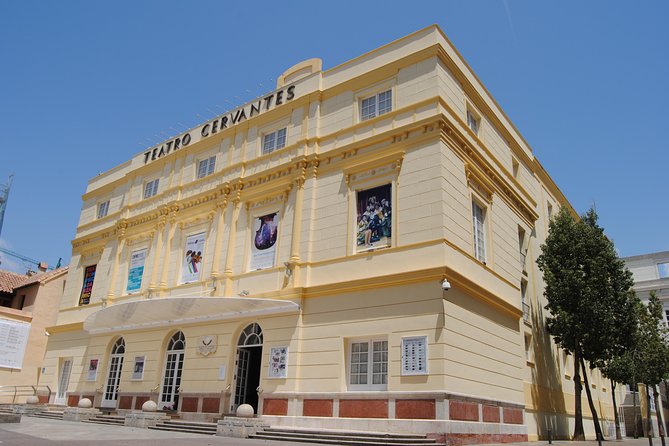
You meet near Teatro Cervantes and finish at Plaza del Obispo, with stops that cover his earliest surroundings, the places tied to his family, and even where a famous Malaga cafe fits into his later visits. The pace is ideal if you want context as you walk, especially if you are trying to understand how Malaga became a Picasso destination. My only caution is simple: wear comfortable shoes and be ready for a lot of steps in a compact Central Malaga route.
Key highlights you will notice fast
- A private group tour so you can ask questions and keep the focus on Picasso in Malaga.
- Stop-by-stop story flow that connects 19th-century Malaga to specific sites tied to Picasso’s life.
- Juan Diego’s approachable guidance with a clear passion for Málaga and Picasso.
- Baptism, marriage, and family teaching links that explain Picasso through his roots, not just his art.
- Cafe Chinitas relevance adds a dramatic human note to the timeline.
- Bishop’s House and a special exhibition connection shows how the city frames Picasso today.
More of the city, from the port up to Gibralfaro
- Málaga: Alcazaba and Roman Theatre Guided Tour With Entry★ 4.8 · 5,792 reviews
- From Malaga and Costa del Sol: Gibraltar Tour★ 4.4 · 4,483 reviews
- Malaga: Teatro Flamenco Malaga Live Flamenco Show★ 4.7 · 4,254 reviews
- From Málaga: Ronda+Setenil de las Bodegas with Little Train★ 4.6 · 4,115 reviews
Central Malaga route, starting at Teatro Cervantes and ending at Plaza del Obispo
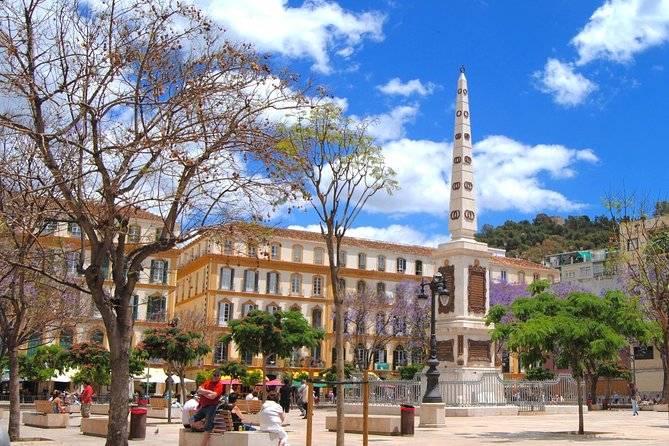
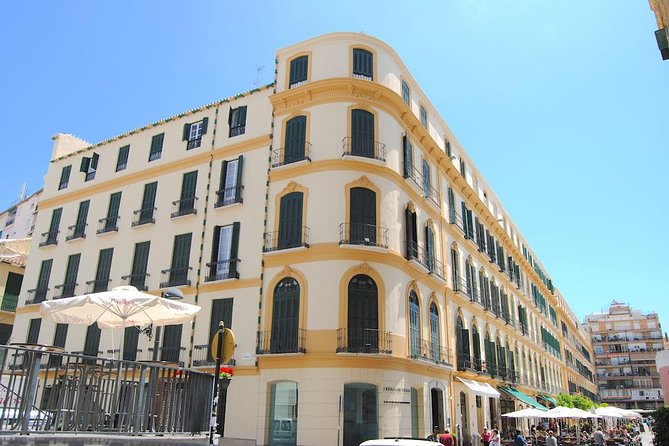
This is the kind of tour that helps you get your bearings quickly. You start at Teatro Cervantes on Calle Ramos Marín, in the Distrito Centro area, and you end at Plaza del Obispo. That end point is a smart choice because it sits right in the center of the older city, so the walk naturally finishes where you can keep exploring on your own.
The tour is about 2 hours, and that time matters. You are not just passing by facades, you are stopping often enough to get explanations and take in the setting. Reviews also flag that you walk a lot, so I would treat this as a solid walking tour, not a light stroll. If your legs are fine but your schedule is tight, go with a slower plan before or after, because your appetite for more wandering will likely kick in once you start connecting the dots.
A few practical notes that help:
- Go in with comfortable clothes and shoes, and bring water if it is warm.
- It is near public transportation, so you can slot it into most Malaga days.
- It is private, meaning only your group participates, not a big mixer.
Stop-by-stop: how the tour explains Picasso’s Malaga origins
The itinerary is built like a guided story through Central Malaga. Instead of treating Picasso as a distant genius, you see how the city shaped him, how his family was part of the ecosystem, and how the city later took responsibility for his memory.
1) A 19th-century building that sets the stage
The first stop frames Malaga’s society in the 1800s, the era when Picasso was born. This matters because Picasso is usually explained through art history timelines, but this approach makes you understand the local environment he grew up in. Even if you only catch a few key details, the difference is huge: you start seeing the city as a character in the story, not just a backdrop.
A minor consideration here is that the tour is narrative-driven. If you prefer spot-specific details over context, ask your guide to slow down for anything that sparks your curiosity, since this is the moment where the whole timeline gets its footing.
Other walks through Malaga on foot
2) Where Picasso had his playground
Next comes a stop described as what was Picasso’s playground. I like this section because it bridges the gap between big-name artwork and everyday life. You are not studying the art yet, you are learning how a child saw the world around him, and Central Malaga turns into a set of real locations you can picture.
If you are short on time in Malaga, this is also a good early anchor. By the time you hit later stops like the birthplace and baptism church, you already have an internal map of how the tour is threading the story.
3) Picasso’s birthplace and what you learn about his family
Then you move to Picasso’s birthplace, with time spent learning about his family. This is where the tour becomes more personal. Family details give you a better sense of why certain places matter, especially when the guide later points to where his father taught and where Picasso visited.
If you like biographies that do more than list facts, this section is a good fit. You will likely come away with a clearer idea of how the city’s institutions and people supported a young Picasso, even before he became famous.
4) The church where Picasso was baptized, and where his parents married
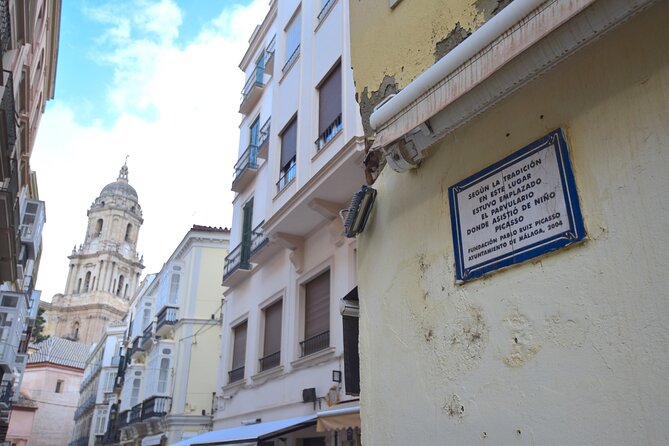
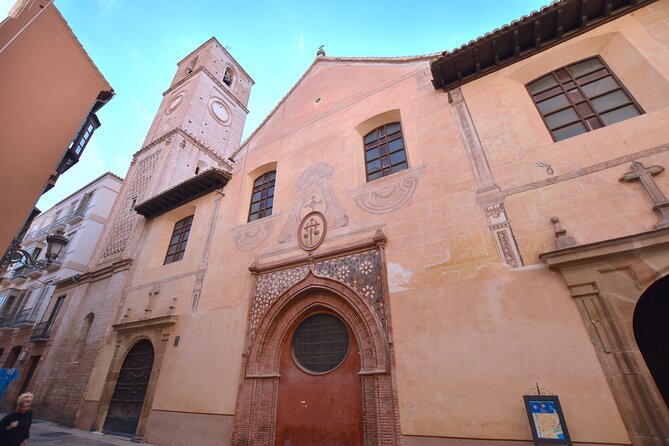
One of the most interesting stops is the church where Picasso was baptized, plus the detail that his parents got married there. This is a powerful way to connect religion, community life, and family milestones in the same physical location.
It also helps you understand why old churches and plazas in Central Malaga feel more than historic. They are part of people’s life events. If you enjoy these kinds of local connections, you will probably find this stop memorable.
5) Why there is a Picasso museum, thanks to family loans
The tour then explains why we have a Picasso museum and how his family lent his works to the city. This part is valuable because it reframes the museum as something built on relationships, not just buildings and branding.
It answers a question you might not even know you had: Why would Malaga preserve Picasso at all? Here, you get a direct link between family cooperation and the city’s decision to care for and display his work.
6) Where Picasso’s father used to teach, and where Picasso visited
After that, you see where Picasso’s father used to teach and where Picasso himself used to go to visit him. This is one of those stops that makes the biography feel grounded in routine life.
If you are the type of traveler who likes to picture daily movement, this section does that for you. It is not just “important place,” it is “place tied to a habit,” and habits are often the most believable way to understand a person.
7) Cafe Chinitas, and the story tied to his last visit
Next is Cafe Chinitas, including what happened there in Picasso’s last visit to Malaga. This stop adds a different tone. Up to now, the story is about origins and family. Here, you see a connection point tied to later life, which makes the timeline feel more complete.
It is also a good reminder that Picasso’s relationship with Malaga was not purely early-life and then gone. It continued, and the city kept a memory of him strong enough to attach a scene to his final return.
8) Bishop’s House, plus a special exhibition connection
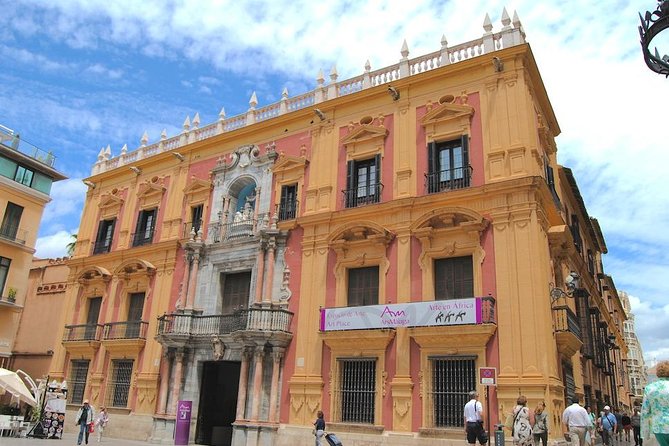
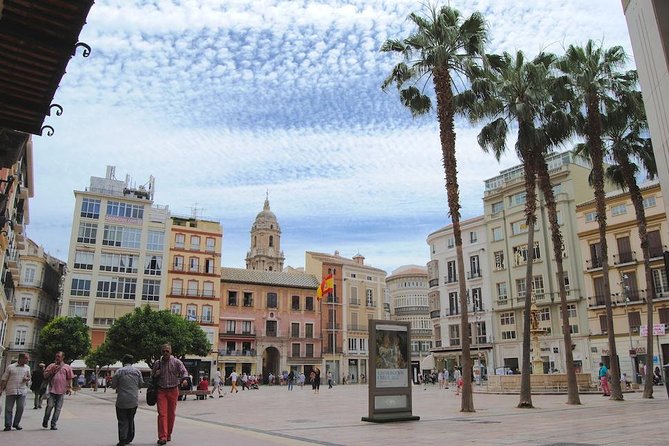
The tour ends at Plaza del Obispo, with a stop at the Bishop’s House, described as a place where a special exhibition about Picasso’s work was held. This is a smart closing chapter because it links the past you just walked through to the present way Malaga curates Picasso.
When the tour finishes here, you have a good feeling for how the city tells the story of Picasso now. And since you end near an important Central Malaga square, you can keep exploring without having to re-navigate across town.
What makes the tour feel worth it: private, guided, and English-friendly
This is listed as a private tour, meaning only your group participates. For me, that is not just a comfort perk, it changes how much you get out of a walking story. You can react in real time, ask for more context, or slow down when you spot something you want explained.
The guide is a local guide, and the reviews specifically mention Juan Diego as helpful, friendly, and informative, with real passion for Málaga and Picasso. That kind of guide matters because Picasso stories can turn into trivia if the guide is a mere reciter. Here, the emphasis is on relationships between people, places, and events.
Language-wise, it is offered in English. That is a practical plus in Malaga, where you will often find the best experiences either in a mix of languages or with extra friction. This avoids that.
Finally, there is a mobile ticket. I like anything that reduces the annoying parts of arrival. You show up, you start the walk, and you spend your energy on the city rather than your phone.
Price check: is $120.41 per person good value?
At $120.41 per person for an approx. 2-hour private walking tour, you are paying for time, not just access. What you get is a focused route of multiple meaningful stops, explanations at each site, and a private format with a local guide.
Is it expensive? It depends on your style. If you are traveling solo or as a couple, a private guide can feel like a lot. But if you compare it to doing multiple fragmented self-guided visits, the value shifts. You are buying structure and context, and the itinerary covers key Picasso-linked sites in Central Malaga so you do not have to stitch the story together yourself.
Also, there are group discounts offered. If you are part of a small group, ask about how discounts apply when you book. One more value clue: the tour is booked, on average, about 77 days in advance, which usually means it is not only popular but also likely to have limited availability on good days.
Bottom line: the price is fair if you want a guided narrative through real places, and if you plan to actually listen at each stop rather than speed-walk your way through.
Who this tour suits best, and who should adjust expectations
This tour is a good match if:
- You want a story-led introduction to Picasso’s roots in Malaga.
- You enjoy learning through specific places, like churches and family-related locations.
- You want the convenience of a private English guide for a compact timeline.
It may be less ideal if:
- You dislike walking tours or need a low-step pace, because it is described as long and you walk a lot.
- You prefer a “see it then go” style, where you spend most time on your own. This experience is explanation-heavy and meant to be taken in one piece.
If you are choosing between this tour and a museum-only day, I would think about your goal. This one helps you understand where Picasso’s story starts and how Malaga supports his memory. If you already know the biography and just want art, you might still enjoy it, but it will feel more like local storytelling than museum browsing.
Timing tip: when to book and how to plan your day
Because the tour tends to be booked about 77 days in advance on average, I would not wait for the last minute, especially if you are traveling in busy seasons or on a limited schedule. Booking early also gives you the ability to match this to the rest of your Malaga day.
Also, since the tour runs about two hours and involves lots of walking, I suggest you avoid stacking another long, all-day activity immediately after. Give yourself space to wander the finished area around Plaza del Obispo, or to grab a coffee nearby without a race against time.
Should you book this Picasso roots private walking tour?
I think you should book it if you want Picasso explained like a local story. The itinerary connects 19th-century Malaga, Picasso’s family, baptism and marriage, how the museum became possible through family loans, and even a detail tied to Cafe Chinitas and his last visit. Ending with the Bishop’s House and exhibition connection helps the past feel current.
Skip it or consider a different option if you know you struggle with longer walking or you prefer a slower pace with more breaks. This is not a sit-down lecture, it is a guided walk, and the experience expects you to be comfortable on your feet.
If that fits your travel style, this tour is strong value, especially because it is private, in English, and led by a guide like Juan Diego who brings the story to life with both friendliness and clear passion.
FAQ
How long is the Picasso roots private walking tour?
It runs for about 2 hours.
Is the tour private or shared?
It is private. Only your group will participate.
Where does the tour start and end?
It starts at Teatro Cervantes on C. Ramos Marín, s/n, Distrito Centro, 29012 Málaga, and it ends at Plaza del Obispo, Distrito Centro, 29015 Málaga.
What language is the tour offered in?
The tour is offered in English.
What is included in the price?
The tour includes a private tour and a local guide.
What should I wear for the walk?
Wear comfortable shoes and clothes, since it involves a lot of walking.
What is the cancellation policy?
You can cancel for a full refund if you cancel at least 24 hours before the experience start time. If you cancel less than 24 hours before, it is not refunded.
More Tours in Malaga


More Tour Reviews in Malaga


Malaga, Three More Ways
Fresh on the Malaga list


Picasso Museum Tours, compared.
 ★ 4.8Picasso Museum Guided Tour with Skip-the-Line TicketFrom $41485 reviews
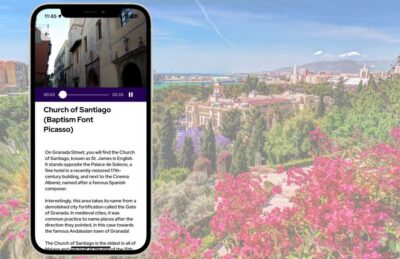 ★ 4.1Picasso Birthplace Museum Ticket & City Audio GuideFrom $11158 reviews
 ★ 5.0Paint your own PicassoFrom $4761 reviews
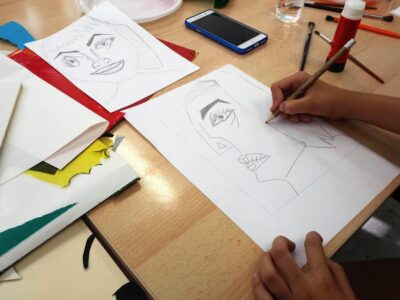 ★ 5.0Paint your own PicassoFrom $4649 reviews
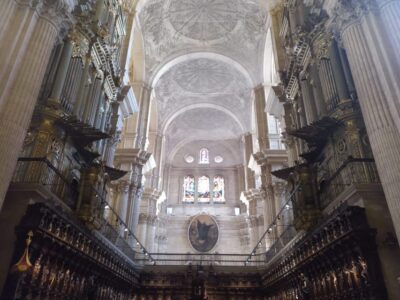 ★ 4.7Old Tour Walking Tour w/Cathedral & Picasso MuseumFrom $6549 reviews
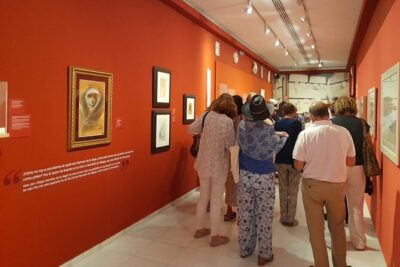 ★ 3.5Picasso’s Birthplace Museum Entrance TicketFrom $447 reviews
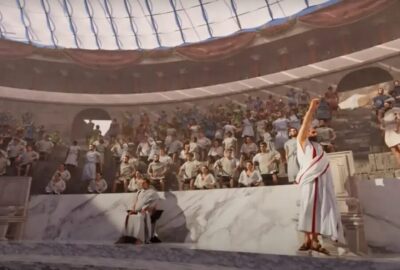 ★ 4.9Alcazaba, Picasso and more, walking tour with 5 VR experiences !From $2336 reviews
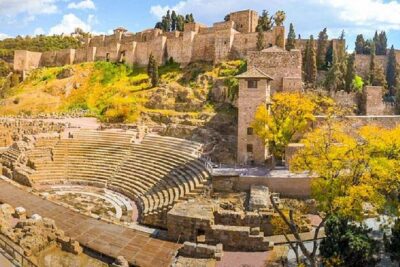 ★ 5.0Private Malaga: Alcazaba, Museum, Market, Cathedral & PicassoFrom $17128 reviews
Browse the lists this tour appears in