
REVIEW · MáLAGA TOURS
Málaga: Museo del Automóvil y la Moda Ticket
Cars and couture in one museum. That combo is the reason this ticket works. In 50 minutes at the Museo Automovilístico y de la Moda, you’ll walk through themed rooms that link car design to the styles of each era, including classic American models and English luxury brands.
I especially like the pairing of immaculate cars with period fashion. The museum doesn’t just show vehicles, it adds design context, plus cool little details like era-matched artwork and hands-on touches such as a virtual room for trying Dior looks. One thing to keep in mind: it’s a bit far out of the town center, so plan a taxi or allow time if you’re staying nearby but not in the core.
Key things I’d circle before you go

- La Tabacalera setting: a former tobacco factory from 1923, now turned into an airy, well-lit car and fashion space
- Themed self-guided route: collections split by eras and ideas, so you can move at your pace
- Dream cars plus “real life” popular models: not everything is futuristic eye candy, you also get best-sellers through history
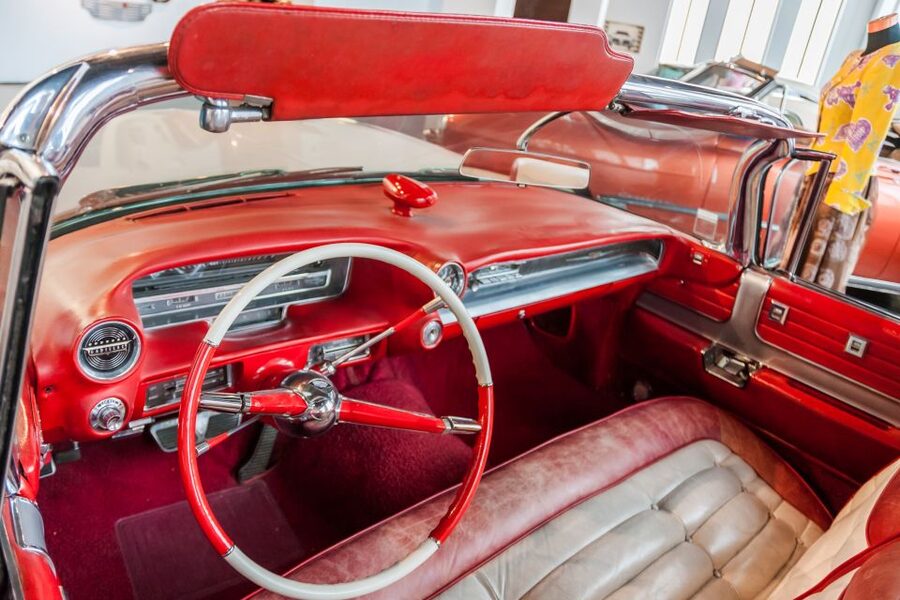
- American highlights: a strong section featuring 50s-style dream cars, including a notable Cadillacs collection
- English heritage names: Rolls Royce and Jaguar style and design cues show up clearly in the displays
- Sunday bonus: Running the Engines at 12:30, when some vehicles are started so you can hear them
More of the city, from the port up to Gibralfaro
- Málaga: Alcazaba and Roman Theatre Guided Tour With Entry★ 4.8 · 5,792 reviews
- From Malaga and Costa del Sol: Gibraltar Tour★ 4.4 · 4,483 reviews
- Malaga: Teatro Flamenco Malaga Live Flamenco Show★ 4.7 · 4,254 reviews
- From Málaga: Ronda+Setenil de las Bodegas with Little Train★ 4.6 · 4,115 reviews
What you actually get with the Málaga Automobile and Fashion Museum ticket
This is an entry ticket to the Museo Automovilístico y de la Moda in Málaga. The experience is set for about 50 minutes, which is a good match if you want something more than a quick peek but not a half-day commitment.
You can go self-guided using the themed collections, or add an optional guided tour for commentary. The guided option can help if you like extra context behind why certain cars and fashion styles were linked, but the museum also works well on your own because the displays are organized room by room.
At $14 per person, the value comes from variety. You’re paying for more than a car museum, you’re getting car design, fashion design, and museum-style presentation in the same ticket price.
La Tabacalera: the tobacco factory makes the museum feel different
The museum sits in the La Tabacalera building, originally a tobacco factory built in 1923. That matters because the setting changes the mood. Instead of a generic warehouse feel, you get a place that feels cultural and architectural, with space to wander.
Inside, the exhibits feel cool and comfortable, and the museum layout is spacious enough that you can walk around without feeling squeezed. One tip from real-world experience: if you’re visiting in summer, the building’s interior comfort is a nice bonus, especially if you pair the visit with a drink nearby afterward. (There’s also a small coffee shop outside, and it can get busy.)
How the museum connects cars and fashion without turning it into a gimmick
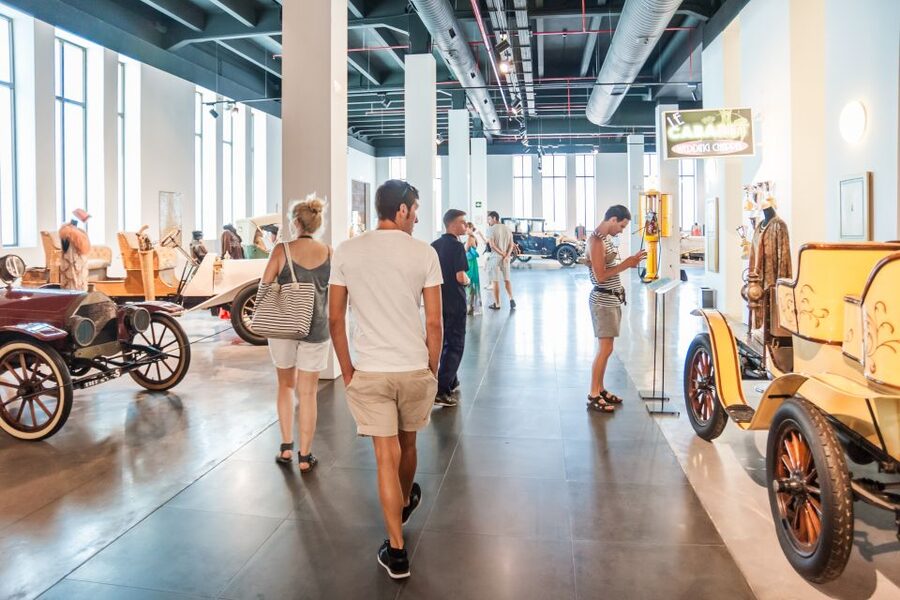
The museum is built around themed areas that take you through the past, present, and future of automobile design. You’ll see older models, then jump across decades featuring everything from stylish 1920s looks to more forward-leaning designs.
What works well for me is that the fashion isn’t just decoration. The displays treat clothing as part of the same design story as the cars, so you start noticing how styles evolve together. If you like design history, this approach is satisfying because it gives you more than names and dates. It gives you visual parallels.
You’ll also find a mix of showpiece cars and more everyday “people’s cars” through time. That balance prevents the museum from feeling like it’s only for collectors with deep pockets.
Other entry tickets worth pre-booking


The “magic journey” part: themed rooms that move through eras
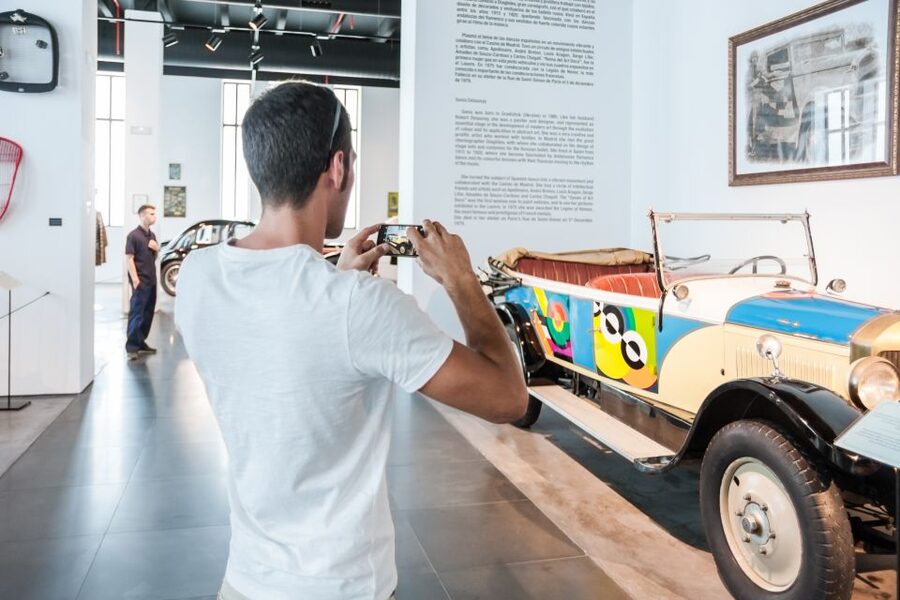
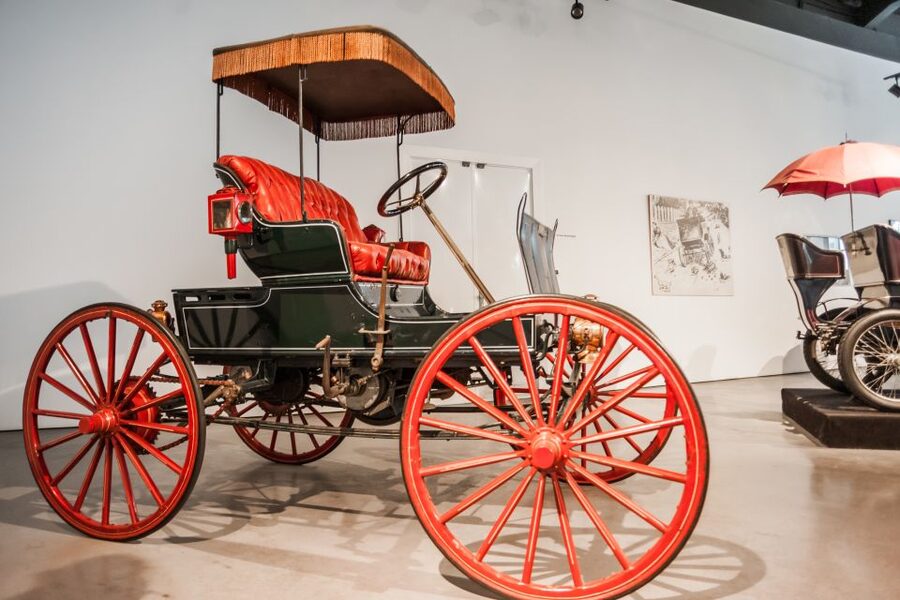
Your visit is structured around collections divided into themed areas. The museum covers some rare late 19th-century models, then continues into later decades with a clear focus on how design language changes.
Here’s a practical way to enjoy it in the 50-minute window: skim the labels first, then slow down for any car that matches your interest. If you’re into design details, focus on the silhouettes, grills, and body lines. If you’re more fashion-driven, keep an eye on the outfits displayed alongside each era, since those pairings are one of the most memorable parts.
The museum also includes avant-garde cars alongside more classic stars. That contrast is useful because it shows you what people thought was “next,” not just what ended up winning in the market.
American dream cars and the Cadillac collection
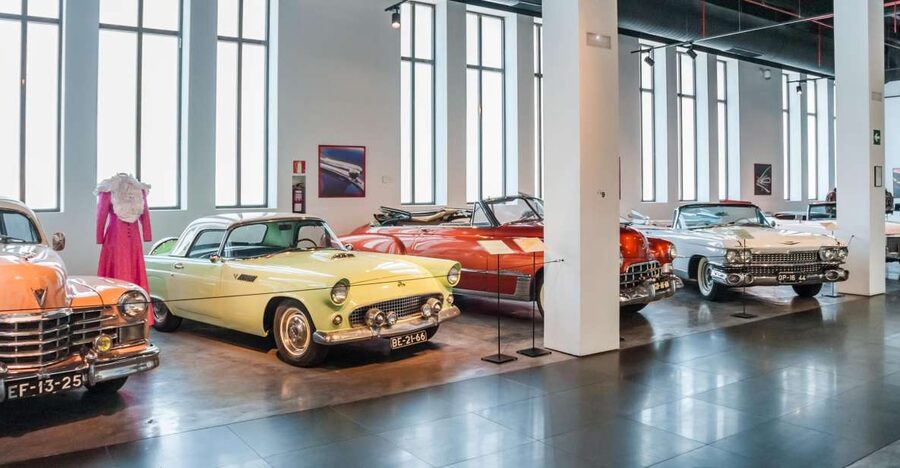
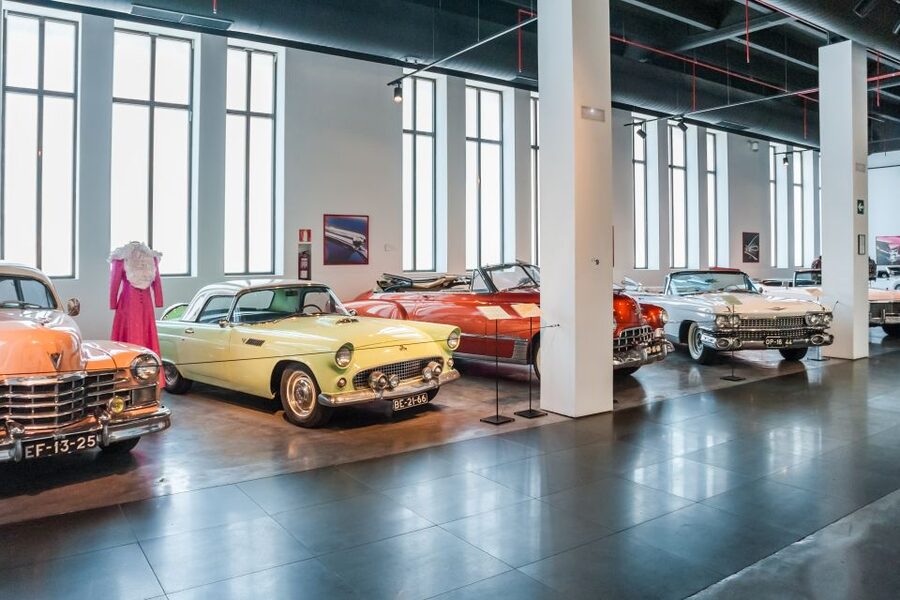
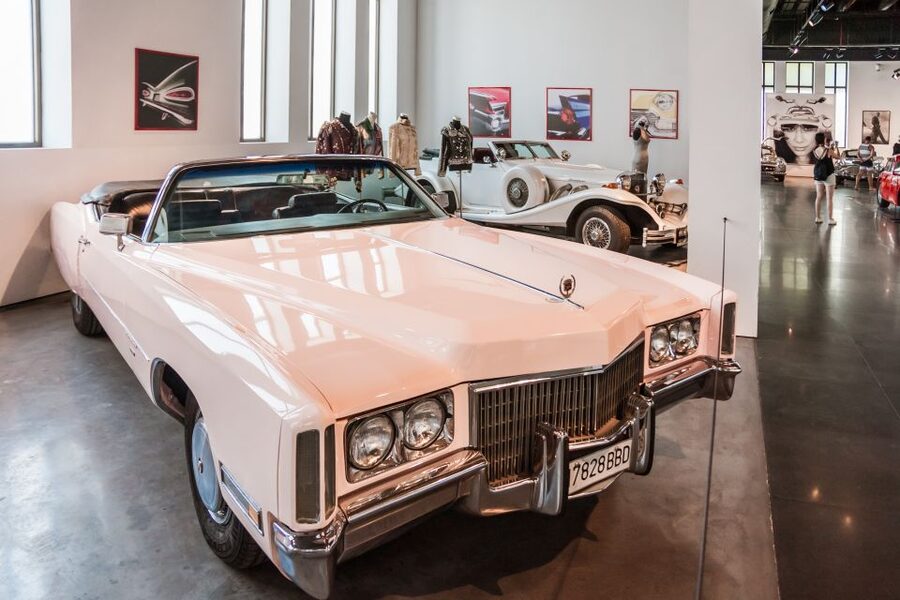
One of the standout sections is the American lineup, including mighty models from the 50s. There’s even a dedicated Cadillacs collection, and you can feel why big American cars captured the imagination of that era.
Even if you’re not an auto expert, you’ll recognize the styling cues: size, chrome attitude, and that confident mid-century look. The museum presentation makes these cars feel like they belong in a design gallery, not behind glass with nothing around them.
If you’re traveling with someone who loves classic cars, this is the part that usually gets the most animated reactions, especially when the museum pairs the car with period style references.
Rolls Royce and Jaguar: English heritage shows up in the details
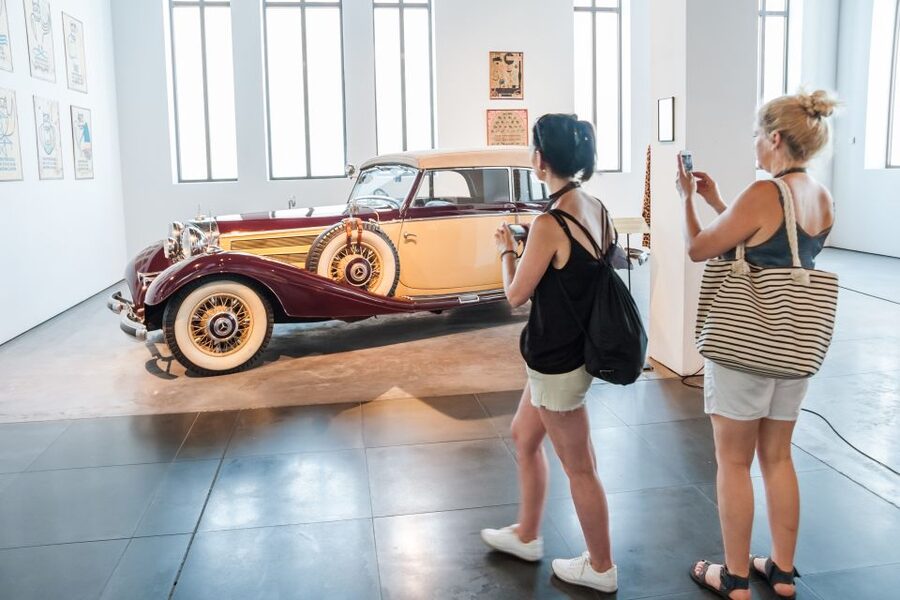
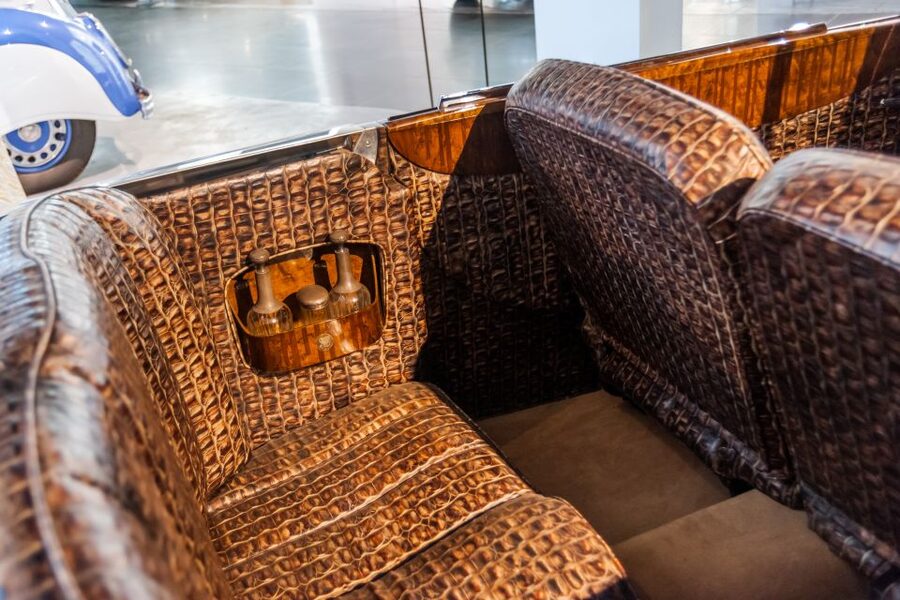
The museum doesn’t stop at America. You also get English heritage design cues, including brands like Rolls Royce and Jaguar. The point isn’t just to see famous names. It’s to notice how British design language often leans into elegance, proportion, and refinement.
What you’re likely to enjoy here is the contrast with the American section. The cars feel different in attitude, and the fashion pairings help you spot that shift quickly. It’s a neat way to understand how design taste varies by place and decade, without needing a long lecture.
Alternative energy vehicles, and why that part still feels relevant
A surprising piece of the museum is that it includes automobiles designed to run on alternative energy sources. Even if you’re here primarily for classic cars, this section gives you a bridge to the present and future.
It also helps the museum feel more honest about car history. Cars are not just about style, they’re about engineering goals, and energy choices are a major part of that story. You’ll likely walk away thinking about how the “future” has different versions depending on the decade.
The popular-car section: Austin Seven, Morris Minor, and Velorex
Not everything is cutting-edge or flamboyant. The museum brings you back to earth with a set of 9 popular cars through history. This includes an immaculate Austin Seven, a Morris Minor, and a 1960s Velorex.
For me, this is a smart inclusion because it prevents the museum from becoming only a parade of show cars. Popular models tell you what people actually bought and how design moved from the workshop into daily life.
If you’re visiting with kids, this “real-world” section is often a good anchor, because the cars feel less untouchable and more like part of normal automotive history.
A Sunday at 12:30: Running the Engines
If your trip lines up with a Sunday, look for the special activity called Running the Engines, held every Sunday at 12:30. Some of the vehicles are started, and you get the chance to hear the engines and learn about their power.
This isn’t just entertainment. It changes the museum experience because sound and vibration add a new layer to understanding design. Two cars that look similar in a photo can feel totally different when the engine actually runs.
Practical tip: since your ticket experience is around 50 minutes, plan your timing so you can fit the museum visit around the 12:30 activity. If you arrive late, you might miss the engine-start moment that makes Sundays extra special.
Guided tour option: when it helps, and when self-guided is enough
If you choose the optional guided tour, you’ll get professional commentary. That’s especially useful if you want the quick “why” behind the displays, like how the museum connects car form with fashion trends or how it frames design evolution.
However, if you prefer to browse at your own pace, self-guided works because the collections are accessible and broken into themed areas. The museum’s labeling is also a big part of the experience, since many displays include readable background information next to the vehicles.
One note to keep you from wasting time: if you select the guided option, make sure you also have the museum ticket for entry, since both are needed for the tour experience.
Logistics that matter in real life: location, parking, bags, and time
The museum is on Avenida Sor Teresa Prat, 15-29003 Málaga, and it can feel a bit outside the center. That’s not a deal-breaker, but it means you should plan your transport. If you’re relying on walking from the historic core, expect a longer trek than you might assume.
The good news is free parking on site, and the museum also has rest areas. There’s also a free WiFi area, which is handy if you want to look up a model or just message friends.
For what to bring, plan on bringing a passport or ID card. If you have one, bring your student card or disability card as well, since those are listed as acceptable documents.
For what not to bring: no luggage or large bags, no smoking indoors, and swimwear is not allowed. If you’re traveling light, this is easy to follow.
Accessibility and comfort: the museum is built for more than one kind of visit
The museum is set up for seniors and disabled people, with adapted facilities, easy parking, and rest areas. There are also special tours available for people with sensory limitations.
This matters because it tells you the museum is thinking beyond signage and seating. If accessibility is a concern for you or someone in your group, this is a good sign that the visit can be comfortable.
Who should book this, and who might not love it
This museum fits best if you like either cars or fashion, and even better if you like design history. It’s a strong choice for car people because the vehicles are in excellent condition and the displays are organized clearly by theme. It also works for fashion fans because you get era styling references paired with the cars.
Kids can enjoy it too, especially if you time your visit around Sunday engine starts. One practical downside: you might notice there are not always extra seating options everywhere. If you need frequent rests, plan your pacing and take advantage of the museum’s rest areas.
If you only want famous car brands and nothing else, you might spend time looking for the exact type of car you expected. The museum is designed to be broader than that, mixing dream cars, popular cars, and design-forward ideas.
Should you book the Málaga Museum of Cars and Fashion ticket?
Yes, if you want a short, high-impact visit that blends two interests in a well-presented setting. The price is modest for what you get: themed car history, fashion pairings, and a Sunday sound bonus at 12:30.
I’d book it especially if you’re traveling with someone who loves cars but you’re curious about the creative side too. The museum’s mix of American dream models, English heritage styling, and alternative energy vehicles keeps it from feeling one-note.
Skip it only if you hate car history and design context, or if you’re mainly chasing a classic museum vibe with lots of sitting and slow pacing. This one is meant for a lively walk-through, with you choosing where to stop and read.
If you’re in Málaga for a day and want something distinct from the usual sightseeing, this ticket is a smart use of time.
Tickets Worth Booking Ahead






More Tour Reviews in Malaga






Malaga, Three More Ways
Fresh on the Malaga list


Málaga Tours, compared.
 ★ 4.8Caminito del Rey Guided Tour with TransportationFrom $6912,183 reviews
 ★ 4.7From Málaga & Costa del Sol: Caminito del Rey Guided TourFrom $677,488 reviews
 ★ 4.8Alcazaba and Roman Theatre Guided Tour With EntryFrom $145,792 reviews
 ★ 4.4Gibraltar TourFrom $384,483 reviews
 ★ 4.7Teatro Flamenco Malaga Live Flamenco ShowFrom $344,254 reviews
 ★ 4.6Ronda+Setenil de las Bodegas with Little TrainFrom $344,115 reviews
 ★ 4.6Full-Day Trip to GibraltarFrom $353,516 reviews
 ★ 4.6Granada Full-Day Trip with AlhambraFrom $1283,235 reviews