
REVIEW · MUSEUMS
Málaga: Carmen Thyssen Museum Ticket
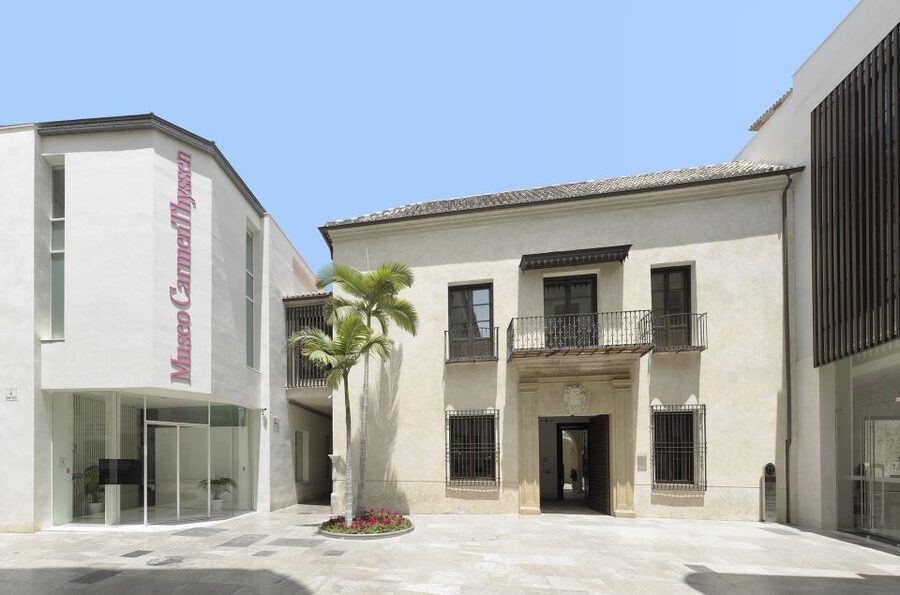
A 16th-century palace frames 19th-century art. I love the Palacio de Villalón setting, especially the arcaded courtyard feel and the carved wooden ceiling details. I also love the museum’s 19th-century Spanish and Andalusian focus, with Romantic painters like Sánchez-Perrier and Ortega. One catch: some gallery captions are small, so plan to slow down and lean in to read.
If you want an easy, low-stress visit, this is a good fit. Your ticket covers entrance plus an audioguide in several languages, and you can tour at your own pace (or choose a guided option if available). Just note the rules are strict in the galleries, including no cameras and no mobile phones.
Key things to know before you go
- A palace visit first, museum visit second, with the restored Renaissance building doing a lot of the work for you
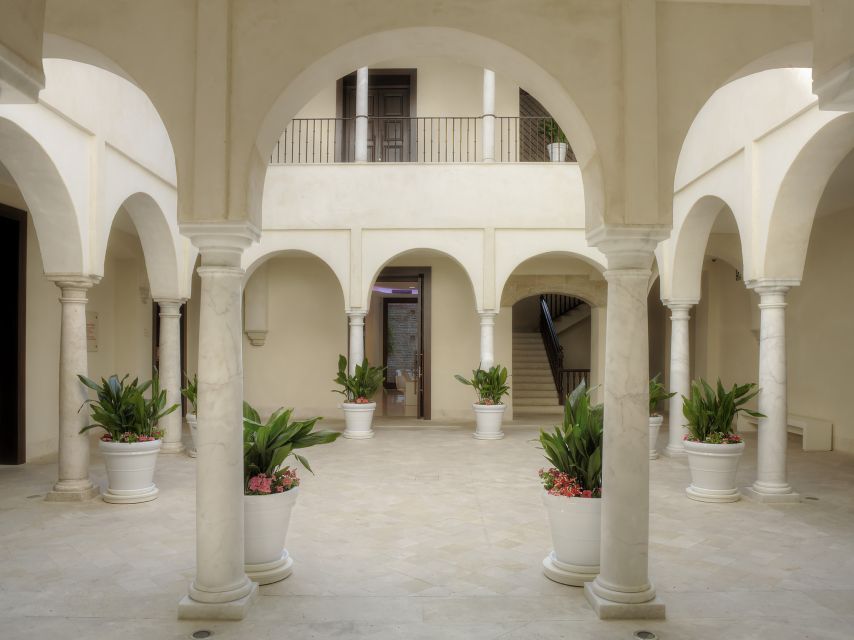
- Two-floor layout around a central courtyard, so your time naturally moves upward and through the arcades
- Carmen Thyssen-Bornemisza collection scope, including major Old Masters and genre variety inside the 19th-century story
- Romantic and Naturalist styles in the Spanish and Andalusian painting mix, plus the Precieuz style
- Permanent and temporary exhibitions run in adjoining contemporary spaces, so it never feels like one long repeat room
- Audio guide included (Spanish, English, French, German, Italian) which matters because some labels are hard to read
More of the city, from the port up to Gibralfaro
- Málaga: Alcazaba and Roman Theatre Guided Tour With Entry★ 4.8 · 5,792 reviews
- From Malaga and Costa del Sol: Gibraltar Tour★ 4.4 · 4,483 reviews
- Malaga: Teatro Flamenco Malaga Live Flamenco Show★ 4.7 · 4,254 reviews
- From Málaga: Ronda+Setenil de las Bodegas with Little Train★ 4.6 · 4,115 reviews
Why the Palacio de Villalón matters before you even buy into the art
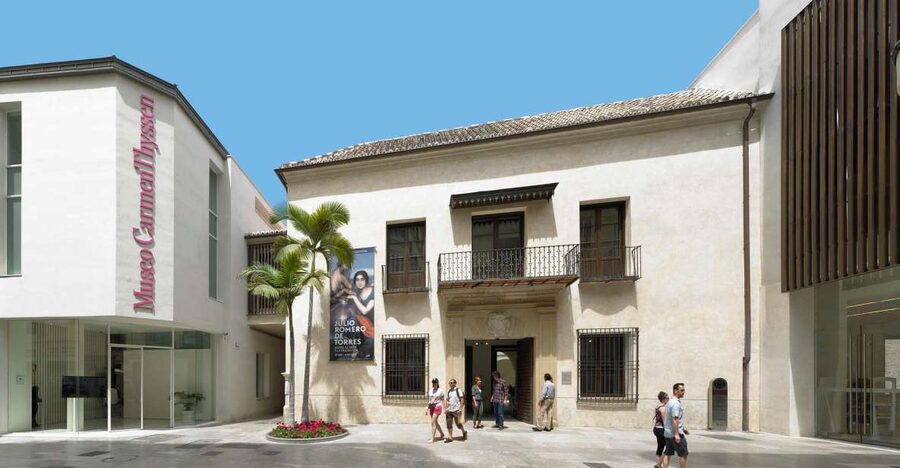
The Museo Carmen Thyssen sits inside the 16th-century Palacio de Villalón, and that changes the whole mood. You are not just stepping into white walls and benches, you’re walking through a real Renaissance home, built over older remains and shaped by careful restoration. It’s the kind of setting that makes you look up without thinking.
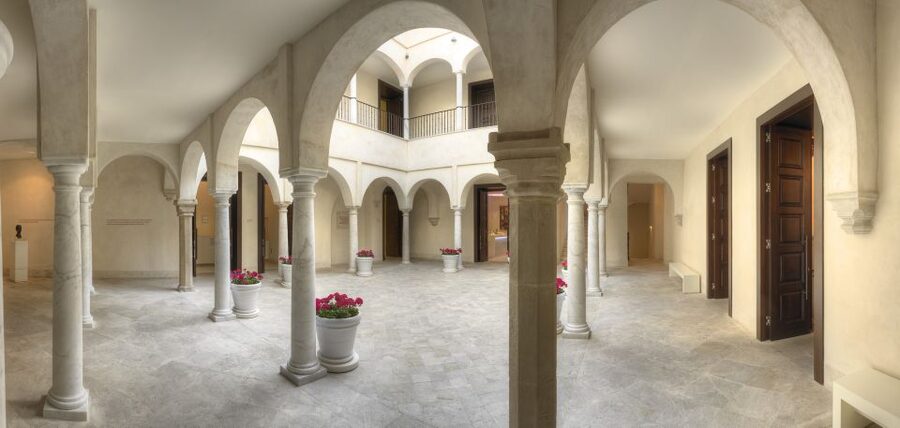
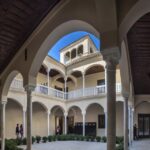
The palace is arranged over two floors around a central courtyard, with arcaded galleries running around it. The principal rooms highlight carved wooden ceilings and supporting fretwork, so even before you start reading about paintings, you get a sense of how Málaga’s past lived day to day. This is a museum where architecture does part of the storytelling.
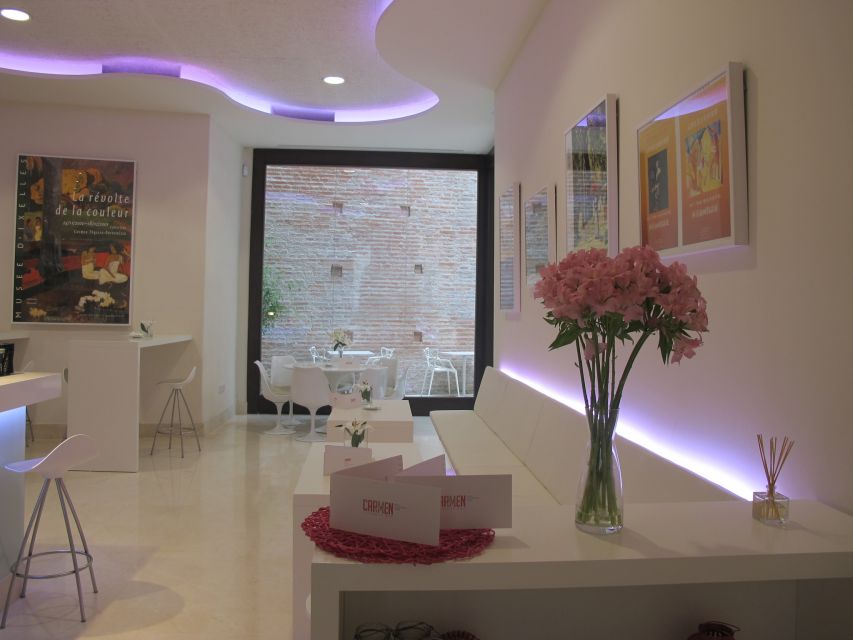
Restoration also followed a specific idea: recover the original layout, while newly built additions sit nearby in a more understated contemporary way. You’ll see that the museum can feel both historic and functional at the same time, which is a big deal when you’re trying to move through multiple exhibition spaces in one visit.
Ticket value: what you actually get for about $14
At around $14 per person, the value here comes from what’s included. Your ticket covers entrance to the museum, plus an audioguide. That matters because the audioguide can compensate for the main drawback, the small type you may run into on some labels.
Your ticket is valid for one day, and you’ll want to check available starting times. That one-day window is flexible, but it also means you should pick a time when you have energy for a slower museum walk rather than squeezing it between rushed transfers.
This isn’t a tour where someone herds you through set stops. It’s a self-paced museum experience with optional guided commentary if it’s offered during your time slot. For most people, that is the ideal setup, because the collection has enough variety that you’ll want control over what you linger on.
Your route through the museum, palace floors to modern exhibition rooms
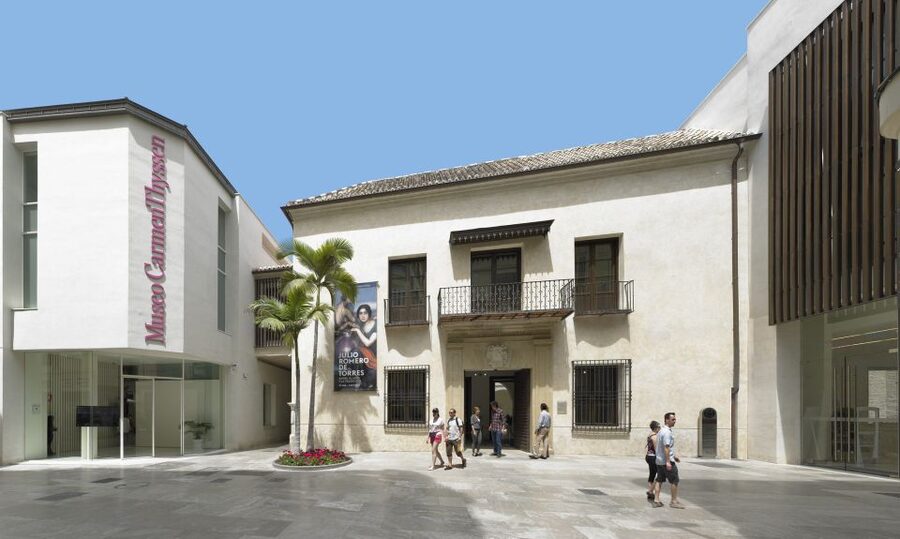
Think of the visit in two connected parts: palace spaces, then exhibition spaces in adjoining buildings.
Other entry tickets worth pre-booking

1) The palace courtyard and arcaded galleries
Your first big win is simply using the central courtyard to orient yourself. With the galleries wrapping around, it’s easy to understand where you are and where you’ll go next. This layout helps you avoid the common problem of museum fatigue, where rooms start to blur together.
Spend a few minutes on the architecture before you rush toward paintings. Look for the arcades, then glance up for the ceiling details. Even if you’re not an architecture nerd, this is worth it because it sets you in the right mindset: you’re visiting a building that held status and ceremony, not just storing art.
2) Principal palace rooms and 17th-century Spanish paintings
Some of the palace rooms display 17th-century Spanish paintings, and that’s an interesting contrast to the museum’s main draw. It also helps explain the museum’s larger logic: the collection has the 19th century at its core, but it does not ignore earlier Spanish art threads.
This is a good moment to use your audioguide even if you consider yourself a skim-reader. The audio can help you place what you’re seeing, so you don’t just get a list of titles with no connections between them.
3) Upstairs sections and religious paintings in the mix
On at least some visits, you’ll find religious paintings from the 15th and 16th centuries on the top floor. That matters because it breaks the expectation that everything will be purely 19th century. If you like seeing how religious themes and Spanish painting styles evolve over time, this is one of the most satisfying surprises.
Don’t panic if you feel time pressure. Religious works can be emotionally heavy, so choose one or two you really want to decode, then move on.
4) The adjoining contemporary spaces for permanent and temporary shows
Next comes where the museum’s contemporary additions do their job. The adjoining buildings are designed in a contemporary style to host the permanent and temporary exhibitions. This separation is useful, because it keeps the palace from trying to do everything.
In these galleries, you’ll find most of the collection that people come for: the Carmen Thyssen-Bornemisza focus on 19th-century Spanish painting genres, with a specific attention to Andalusia.
The Carmen Thyssen-Bornemisza collection: Old Masters and the 19th-century Spanish thread
The museum’s heart is the Carmen Thyssen-Bornemisza collection, and it has a clear goal: a broad survey of 19th-century Spanish painting genres with a strong Andalusian lens. That means you don’t just get one style, you get a range of approaches and subjects, which keeps the museum from feeling repetitive.
You’ll also encounter Old Masters material within the collection, and it helps connect Spanish painting you may already know with works that show how those traditions changed over time. If you usually only think of Spanish art through famous names like Zurbarán, Velázquez, Goya, and Picasso, you may find this museum’s selection refreshingly different because it expands the supporting cast and the genres around the big names.
The collection also leans into Romantic landscapes and other Romantic currents. Artists you might see referenced in the highlights include Sánchez-Perrier and Ortega, along with other painters. This is where the museum’s Andalusian focus becomes more than geography. It becomes atmosphere, color choices, and the way people in these paintings frame their world.
Precieuz style, Naturalist and Romantic works: what to look for
One of the most praised parts of the collection is how it handles changing styles. In particular, visitors often call out the Precieuz style, along with Naturalist and Romantic examples. Even if you don’t know art terms, you can still spot what draws people in: a strong sense of finish, attention to detail, and scenes that feel intentionally composed rather than casual.
If you love close looking, this museum can reward you. Some visitors love the small details because the paintings reward time, not speed. If you tend to breeze past art, try this instead: pick one room and decide you’ll only stop for works that you can describe in one sentence after you’re done looking.
That simple habit keeps you from drifting into the common trap of thinking you saw everything when you actually just passed through. And because the audioguide is included, you can check your own impressions against what the audio explains.
A practical tip from experience with this collection type: the captions can be hard to read, so treat the audioguide as your main “label.” Use the wall text only when it’s in your comfort zone to read without squinting.
Temporary exhibitions: how they change the feel of your day
Besides the permanent collection, you can also see temporary exhibitions. The museum runs these in the adjoining contemporary spaces, so your visit may feel like it has two different rhythms: palace calm, then exhibition intensity.
One example that came up in feedback is a Sorolla special exhibition offered alongside the main program on at least some dates. You can’t assume that will be part of your day, but it’s a real reason to check what’s on view for your visit window.
If you’re planning this as your main art stop in Málaga, temporary shows can add variety without demanding extra travel. If you prefer a steady, focused collection experience, you can stick mostly to the permanent displays and use temporary rooms as a bonus.
Museum rules that affect comfort: phones, cameras, bags, and touching
These rules are mostly about protecting the art and keeping galleries quiet, but they do impact planning.
Cameras are not allowed, and video recording is also not allowed. Mobile phones are not allowed in the galleries, so if you’re the type who takes photos for later, you’ll need a different approach. I recommend using the audioguide notes in your head, then taking notes on your phone after you leave each room, or just writing titles down while you’re still in the corridor.
Food and drinks are not allowed, and you also cannot bring luggage or large bags. Bags over 80 x 50 centimeters are not permitted. That means you may want to travel light, or be prepared to store what doesn’t fit.
Finally, you can’t touch the works of art, and smoking is not allowed. It’s standard museum etiquette, but it’s worth remembering if you like to get close for texture and brushwork.
Animals are limited too. Other than guide dogs, animals are prohibited. This is straightforward, but if you’re traveling with a service animal, make sure it matches the rules you expect the museum to apply.
Timing and pacing: how to avoid museum fatigue
Because it’s self-guided, pacing becomes your biggest tool. The palace architecture encourages slower stops, and the art selection encourages repeated looking. If you try to do everything in one frantic loop, you’ll miss what people love most: the style changes and the details.
A good strategy is to do the palace portion first, including the courtyard and arcaded spaces, then move into the permanent and temporary galleries with fresh energy. Once you’re in the exhibition rooms, choose one or two styles you’re curious about, like Romantic works or the Precieuz style, and commit to lingering there a bit longer.
If you wear glasses or have trouble reading fine print, consider bringing your reading glasses. Small caption text can make you bend and straighten a lot, and that kills momentum. With the audioguide doing the heavy lifting, you can cut the label struggle and still get the meaning.
Who this ticket fits best
This museum is a strong match if you want an art visit with built-in context. The palace setting makes it feel like you’re inside Málaga’s layers, not just looking at paintings behind glass. It’s also a good pick if you like Spanish art but want more than the usual headline names.
If you’re traveling as a couple, or solo, the self-guided approach is especially convenient. You can spend time where you care, then move on. If you enjoy guided structure, there is an option to tour with a guide, but the audioguide included already gives you a lot of interpretive support.
It’s also worth considering if you have mobility needs. The museum is wheelchair accessible, so you can visit without worrying that the palace style will block the route.
For families, it can be a mixed bag because it is a museum with strict rules and lots of looking. If you’re bringing teens, double check ticketing expectations because one piece of advice that surfaced is that tickets may be free for people under 18, but you should verify for your specific situation.
Should you book the Museo Carmen Thyssen Málaga ticket?
Book it if you want a one-day art stop that’s genuinely about both art and the building housing it. The Palacio de Villalón experience makes the museum feel like more than a checklist, and the collection’s mix of Old Masters, 19th-century genres, Andalusian focus, plus styles like Romantic and Precieuz gives you variety without chaos.
Skip it if you only want photography-heavy attractions or if you hate museum rules around phones and cameras. You also might reconsider if you strongly dislike reading small captions and don’t want to rely on audio at all.
If you do book, go in with a plan: pick a style or two you’re curious about, use the audioguide as your main guide, and let the palace courtyard slow you down. This visit rewards the people who take their time.
FAQ
Where is the meeting point for the Carmen Thyssen Museum ticket?
The meeting point is at Museo Carmen Thyssen Museum, Fundación Palacio de Villalón, C/ Compañía 10, 29008 Málaga.
What is included with the ticket?
The ticket includes entrance to the Carmen Thyssen Museum and an audioguide.
Which languages are available for the audioguide?
The audioguide is available in Spanish, English, French, German, and Italian.
How long is the ticket valid?
The ticket is valid for 1 day. You should check availability to see starting times.
Can I visit on my own or do I need a guide?
You can tour on your own, and there is also the option to tour with a guide if you choose.
Are cameras or video recording allowed inside?
No. Cameras and video recording are not allowed.
Are mobile phones allowed in the galleries?
No. Mobile phones are not allowed in the galleries.
Are large bags allowed?
Bags over 80 x 50 centimeters are not allowed in the museum.
Is the museum wheelchair accessible, and can I bring an animal?
Yes, the museum is wheelchair accessible. Animals other than guide dogs are prohibited.
Is there free cancellation and a pay later option?
Yes. You can cancel up to 24 hours in advance for a full refund, and you can reserve now and pay later.
Tickets Worth Booking Ahead


More Tour Reviews in Malaga


Malaga, Three More Ways
Fresh on the Malaga list


Museums, compared.
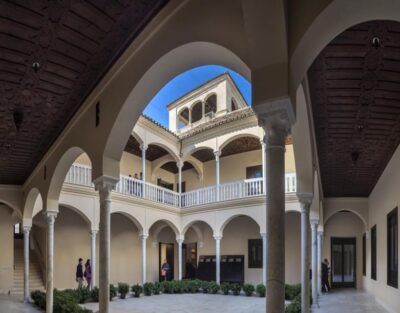 ★ 4.8Picasso Museum Guided Tour with Skip-the-Line TicketFrom $41485 reviews
 ★ 4.5Skip the Line: Malaga Automobile and Fashion Museum Entrance TicketFrom $14379 reviews
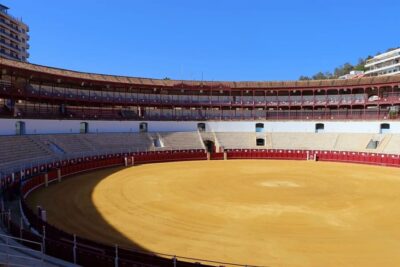 ★ 4.7Tour of Malagueta Bullring & Immersive ExhibitionFrom $16271 reviews
 ★ 4.1Picasso Birthplace Museum Ticket & City Audio GuideFrom $11158 reviews
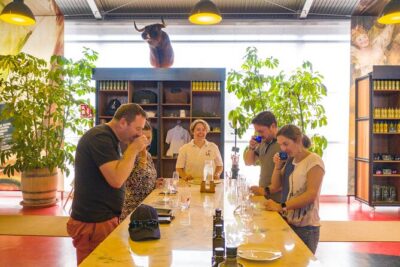 ★ 4.5Visit Oil Mill Museum and Olive Oil Tasting in RondaFrom $30105 reviews
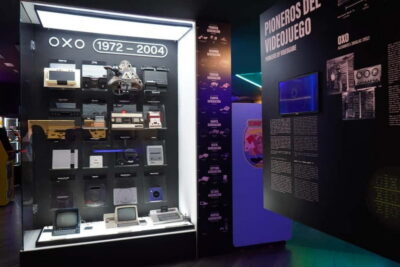 ★ 4.8OXO Video Game Museum Ticket EntryFrom $1766 reviews
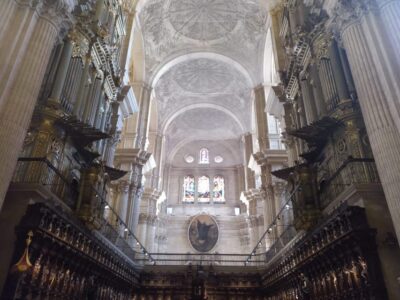 ★ 4.7Old Tour Walking Tour w/Cathedral & Picasso MuseumFrom $6549 reviews
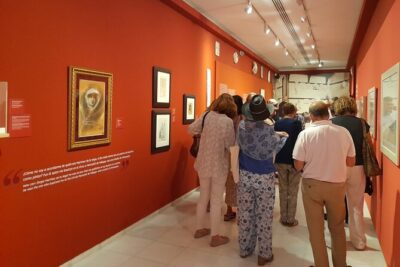 ★ 3.5Picasso’s Birthplace Museum Entrance TicketFrom $447 reviews
Browse the lists this tour appears in