
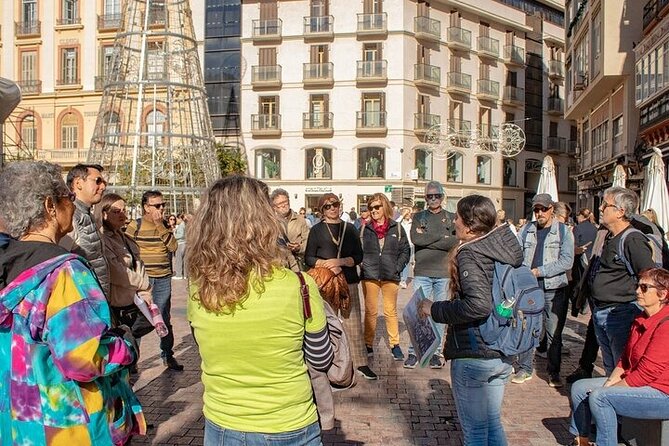
REVIEW · MáLAGA TOURS
Tour around the Central Market of Malaga
Malaga’s market tour starts with Holy Week sights. I like that this walk keeps things easy and comfortable with a small group, yet still covers the city like locals actually move through it. I also like the mix of details that feel everyday, not museum-only, from religious festival traditions to how people drink coffee or chocolate. One possible drawback: it is a walking route in the historic center, so plan for sun, uneven pavement, and a steady pace for about two hours.
What makes it stand out is the way the route links tiny streets to big themes. You get flamenco culture in the form of the Pasaje de Chinitas, plus art, religious brotherhoods, and even shipwreck talk woven into the same day. If you are sensitive to crowds around popular stops, go in expecting people where Malaga is most central.
By the time you reach the Mercado Central de Atarazanas, you are not just looking at stalls, you are seeing why the place exists where it does. My only caution is to come with realistic expectations for time at each spot, it is short stops, not a slow sit-down meal tour.
Key highlights you should know
- Small group, maximum 20 people, so you are not lost in a loud blob
- Professional local guide, with standout delivery from Lourdes in recent feedback
- Holy Week atmosphere nearby, including Santo Domingo and brotherhood traditions
- Flamenco culture in Pasaje de Chinitas, tied to the long bar-and-tavern tradition
- Atarazanas market in the old shipyards, with Muslim walls and architecture cues
- Price-value blend, about $17.80 for roughly two hours plus a guided route
More of the city, from the port up to Gibralfaro
- Málaga: Alcazaba and Roman Theatre Guided Tour With Entry★ 4.8 · 5,792 reviews
- From Malaga and Costa del Sol: Gibraltar Tour★ 4.4 · 4,483 reviews
- Malaga: Teatro Flamenco Malaga Live Flamenco Show★ 4.7 · 4,254 reviews
- From Málaga: Ronda+Setenil de las Bodegas with Little Train★ 4.6 · 4,115 reviews
Starting at Plaza Enrique García-Herrera, you get Malaga’s map fast
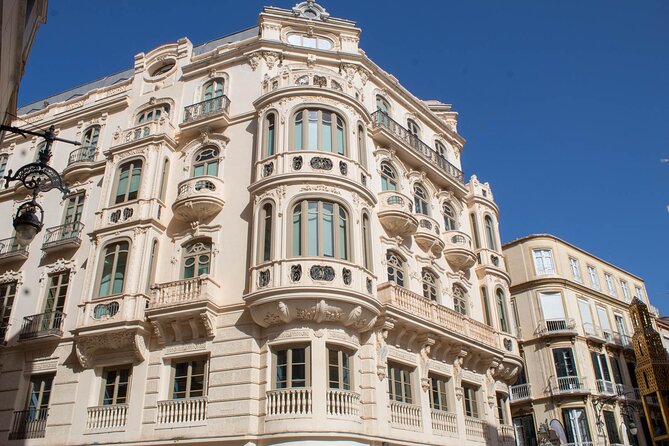
The tour begins at Pl. Enrique García-Herrera, 20, in Distrito Centro. That starting spot matters because it puts you near the Guadalmedina River and the Puente de los Alemanes, so you quickly understand how Malaga’s old geography shapes today’s streets.
Right away, you also get the religious-festival lens that runs through a lot of local life here. The route points you toward churches and brotherhoods tied to Holy Week in Malaga, including the Church of Santo Domingo. This is a smart way to orient yourself. Instead of memorizing facts, you start seeing patterns, who the city prays to, celebrates, and gathers around.
I also like that this start includes context on the Unicaja Museum of Popular Arts and Customs nearby. The museum’s concept dates back to the sixties, and it focuses on the archaeological and ethnographic past of the city. Even if you do not go inside, the mention helps you read the neighborhood with better eyes.
What to watch for: the sidewalks around the center can be a mix of smooth and rough stone. Bring comfortable shoes. You are outdoors for most of the walk.
Santo Domingo to Unicaja Museum, the faith-and-tradition thread
This first stretch is where the tour earns its keep, because it sets up how Malaga thinks. Holy Week is not just a date on a calendar, it is part of how people organize space, sound, and even the look of certain churches and processional areas.
Seeing Santo Domingo referenced early helps you understand why later stops feel connected, not random. You are not just ticking boxes like church, then street, then market. You are walking through the city’s belief system and its everyday rhythm at the same time.
And that museum reference is useful if you like learning, but you do not want a full museum afternoon. The Unicaja Museum of Popular Arts and Customs is described as a unique space for archaeological and ethnographic history. That is exactly the kind of overview that can make a city feel less confusing on your first visit.
A small consideration: churches and institutions can have changing access hours or busy moments. This tour keeps stops short, so you get the main ideas without needing to plan your whole day around each building.
Mapas y Compañía and the “old streets, new ideas” feel
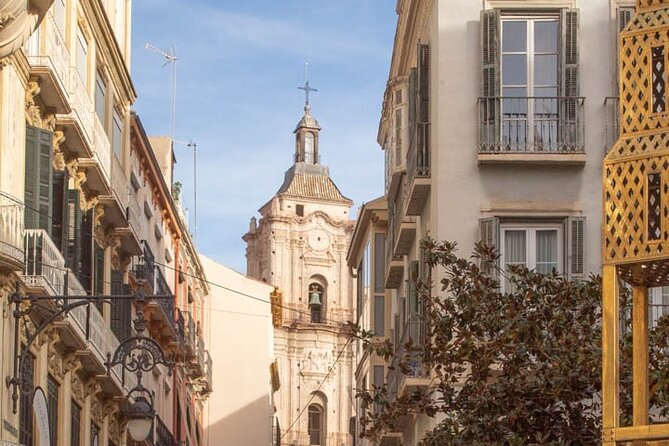
Next comes C/ Compañía and the surrounding lanes, a place where you can actually see Malaga’s layers. You get traditional Muslim-influenced street character mixed with businesses that feel individual, not generic.
At Mapas y Compañía, the focus is on a bookstore with personality, the kind of shop where you can browse without feeling rushed. The tour also points out religious and custom imagery shops, including displays tied to fans, wicker crafts, and flamenco dresses.
The interesting part is how the route connects these older visual traditions to modern cultural presence. The description notes how the avant-garde is harmoniously inserted into these older spaces, with an example given in the façade of the Thyssen Museum in Malaga.
That connection is why the walk feels authentic. It is not “old Spain only.” It is old streets still doing their job today, selling, showing, and hosting culture.
What I like for you: if you enjoy design, storefront details, or shopping without a rigid plan, this section gives you ideas without telling you to buy anything.
Other Malaga bookings on the same list


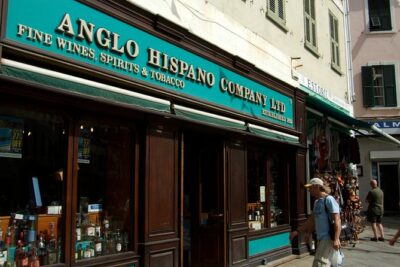
A neo-Gothic church and Plaza de la Constitución, the coffee-and-square lesson
The tour then moves to a neo-Gothic church built in 1920, designed by architect Fernando Guerrero Strachan. The plan is basilica style and divided into three naves. Even if your church knowledge is limited, the architecture cue gives you something concrete to look for, not just a name to memorize.
From there, you step into Plaza de la Constitución, one of Malaga’s emblematic squares. This stop is more than photos. The guide is set up to explain how the square’s name changed with Spain’s political and social vicissitudes. That matters, because it shows you how public spaces absorb national history, even at a local scale.
You also get the Fountain of the Three Graces. And there is a fun, human detail about the mythical Café Central, described as now disappeared, plus the way Malaga’s coffee culture works. The tour mentions the wide variety of coffees in Malaga, and a playful line about a cloud being more than just water drops in the sky.
Then comes the big-picture view: majestic looks toward the Cathedral and its features, plus how Plaza de la Constitución acts like a set of arteries for art, culture, and leisure. The route names nearby areas including Plaza Uncibay and C/ Granada, with specific attention to Picasso’s importance in the city. It also calls out recreational stops such as Pimpi and The Bell.
Possible drawback: this is a popular public space, so if you want quiet, this is not the moment. Treat it as orientation time. Get your sense of direction, then keep walking.
Pasaje de Chinitas to Calle Larios, flamenco culture and the main drag
After the square, you get one of Malaga’s most characterful passages: Pasaje de Chinitas. The tour describes it as internationally recognized for flamenco artists developing their duende in the bars and taverns along the passage, with that tradition lasting for more than a century.
This stop works because it teaches you how flamenco lives here. It is not only on a stage with a ticket and a stopwatch. It is embedded in neighborhood venues, where performance and social life overlap.
Then you move to Calle Larios, Malaga’s main street. The tour notes it was built between 1887 and 1891, and it acts as the nerve center of the city’s commercial, artistic, and entertainment life. It is a good contrast after the narrow passage, because it shows the other side of Malaga: the showy, central, wide-street energy.
You also get a couple of specific local touches. The tour mentions Casa Mira, century-old pharmacies where master formulas are still served. It also points to views of the old entrance to the sea. Even if you do not spend long looking, that kind of detail tells you the street layout carries older maritime connections.
For your comfort: Calle Larios can be busy at certain times. Stay focused on what the guide highlights, and do not worry about stopping everything to read every sign.
Plaza de Félix Sáenz and Edificio Sagasta, photo corners with real street life
Next up is Plaza de Felix Saenz, described as one of the most emblematic squares in Malaga. Here, the emphasis is on the old Almacenes de Félix Sáenz façade and how it reflects cultural and economic life, including the renovation process.
This stop also helps you experience the square as locals do, a meeting place during shopping and moments of leisure and dining. The tour adds that you can discover sculptures and magical corners not visible if you just walk past.
Then you get a quick architectural detour to Edificio Sagasta, specifically Sagasta Street No. 5 on the corner of Herrería del Rey Street. The building is described as built in 1925, a narrow house that fits into a corner, forming a keel-like shape. If you like streetscape details, this is the kind of tiny, specific note that makes your walk feel personalized.
Small practicality: this area is full of opportunities for short photos, so keep your phone ready and your attention up. The route mixes picture points with movement, so you do not want to stop in the middle of the sidewalk.
Atarazanas Central Market, old shipyards under one roof
The final stretch arrives at the Mercado Central de Atarazanas, finishing at C. Atarazanas, 9, with the end point at the main entrance of the market.
This is where the tour earns its name, because the market is framed as more than a food stop. The guide is set to explain interesting aspects of products and sales stands inside the facilities, plus the larger story of the site.
Key context includes the Muslim walls that once surrounded the city and the old shipyards located where the market is now. That combination gives the market a “city center engine” feeling, not just a place to buy snacks.
The tour also mentions architectural elements, art, and history, plus how traditional and avant-garde businesses show up in surrounding streets. In other words, the market connects old industry to modern shopping culture.
What you should do in the market: keep your eyes open for architectural cues and the way the building’s layout shapes how stalls work. If you want food, this tour does not include it, but you will likely find plenty you want to sample after the walk.
Accessibility note that matters: the tour is described as accessible to all types of people regardless of physical ability or age. Still, you should expect pavement, turning corners, and standing briefly at stops.
Price, duration, and value for $17.80
At about $17.80 per person, this is not trying to be a full-day immersion. It is a focused, two-hour guided walk that covers a lot of landmarks without making you spend your whole afternoon in transit.
Why that matters for value: the guide is included, and you get narrative context across neighborhoods, squares, and the market. A self-guided walk can get you to the same spots, but it would be harder to connect the dots between Holy Week traditions, flamenco culture in Pasaje de Chinitas, and the layered city background at Atarazanas.
Also, the tour uses a mobile ticket, which makes the start smoother. The group maximum of 20 people is another quiet value booster. You are close enough to hear, and your guide can actually keep the pace.
One tradeoff to remember: food and drink are not included. If you want lunch, plan to add it before or after.
Who should book this walk, and how to get the best day
This is a strong pick if you want a first-time Malaga orientation that still goes beyond the usual checklist. You get traditional neighborhoods that many visitors do not naturally explore, plus specific cultural themes like Holy Week, flamenco, and local coffee or chocolate customs.
It also fits well if you like a guide-driven day but do not want a rigid, museum-heavy itinerary. The route mixes architecture cues, storefront culture, and neighborhood spaces like Plaza de la Constitución and Calle Larios. And because you end at the central market, you finish with an option that feels useful: browse, snack, or keep exploring on your own.
Practical tips from the details given:
- Wear comfortable shoes for uneven historic streets.
- Bring water for a warm, sunny climate, especially during daytime walking.
- If you rely on transit, know that it is near public transportation. The data specifically lists Málaga Centro Alameda Station and the metro stop at Atarazanas.
- Service animals are allowed.
- Public parking is available at the departure point, if you are driving.
Should you book this Central Market of Malaga tour?
If you want Malaga in two hours, this is a smart booking. The strongest reason to choose it is the way the walk links culture to places, Holy Week traditions to Santo Domingo, flamenco to Pasaje de Chinitas, and the market to Muslim walls and shipyards at Atarazanas. Add in a small group setup and a professional local guide, and it becomes a high-probability win for your first day in town.
I would only skip or rethink it if you want lots of food time, because the tour does not include meals or drinks. Otherwise, it is an efficient way to see the city like a resident, then finish in the market where Malaga’s everyday life is right in front of you.
FAQ
How long is the walk around the Central Market of Malaga?
It runs for about 2 hours.
What is the price per person?
The price is $17.80 per person.
Where does the tour start and where does it end?
It starts at Pl. Enrique García-Herrera, 20, Distrito Centro, 29005 Málaga, Spain, and ends at C. Atarazanas, 9, with the finish at the main entrance of the Atarazanas Central Market.
What is included in the price?
A professional local guide and all taxes are included.
Is food or drink included?
No. Food and drink are not included.
Is there a mobile ticket?
Yes, the tour uses a mobile ticket.
What is the cancellation policy?
Free cancellation is available up to 24 hours before the experience starts for a full refund.
More Tours in Malaga
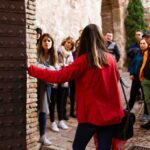


More Tour Reviews in Malaga


Malaga, Three More Ways
Fresh on the Malaga list


Málaga Tours, compared.
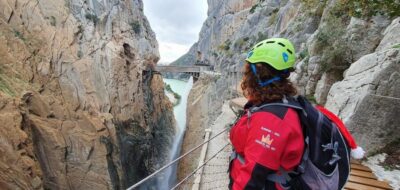 ★ 4.8Caminito del Rey Guided Tour with TransportationFrom $6912,183 reviews
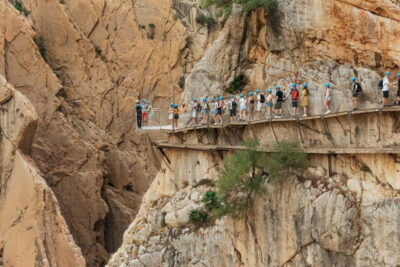 ★ 4.7From Málaga & Costa del Sol: Caminito del Rey Guided TourFrom $677,488 reviews
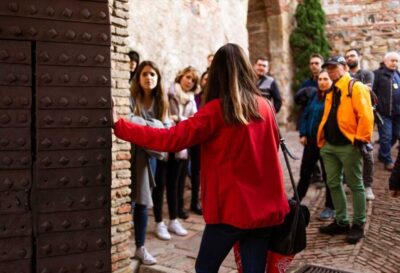 ★ 4.8Alcazaba and Roman Theatre Guided Tour With EntryFrom $145,792 reviews
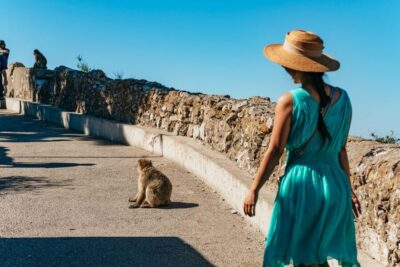 ★ 4.4Gibraltar TourFrom $384,483 reviews
 ★ 4.7Teatro Flamenco Malaga Live Flamenco ShowFrom $344,254 reviews
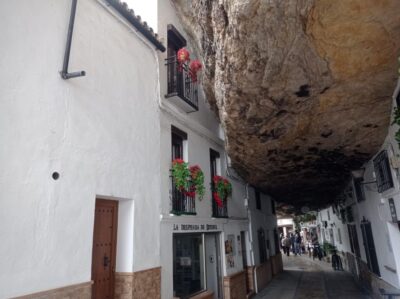 ★ 4.6Ronda+Setenil de las Bodegas with Little TrainFrom $344,115 reviews
 ★ 4.6Full-Day Trip to GibraltarFrom $353,516 reviews
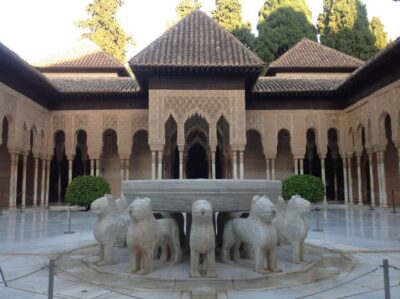 ★ 4.6Granada Full-Day Trip with AlhambraFrom $1283,235 reviews
Browse the lists this tour appears in