
REVIEW · ALCAZABA & GIBRALFARO TOURS
Private walking tour: Cathedral, Alcazaba and Roman Theatre
That first step into Málaga’s old core feels like time travel. This private 3-hour walk strings together three major eras, from a Roman stage to a Muslim citadel to the Cathedral locals nickname La Manquita. I especially like how the route is private and adaptable, so you can move at your pace while still hitting the must-sees.
You’ll also get to see the details that are easy to miss on your own, like the Roman Theatre’s mix of public recreation and political power, then the Alcazaba’s defensive design on Mount Gibralfaro. One watch-out: the Alcazaba includes steep, cobblestoned sections, so it is not the best choice if mobility is limited.
Key highlights at a glance
- All main entrances are included, including Roman Theatre, Alcazaba, and the Cathedral (no extra ticket budgeting)
- Private guide with flexible routing, so the focus can shift to what your group actually cares about
- Roman Theatre, 1st century AD, tied to both entertainment and demonstrations of power
- Alcazaba, built in the 11th century, a palatial fortress with a name meaning citadel
- Cathedral focus on structure and unfinished façade, plus the Portal del Sagrario and carved choir stalls
Other walks through the Alcazaba and up to the castle
- Málaga: Alcazaba and Roman Theatre Guided Tour With Entry★ 4.8 · 5,792 reviews
- Alcazaba Malaga Guided Tour★ 5.0 · 1,457 reviews
- Malaga Tour with Cathedral, Alcazaba and Roman Theatre★ 4.5 · 548 reviews
- Málaga: Cathedral, Alcazaba, Roman Theater Walking Tour★ 4.7 · 315 reviews
What you’re really doing in this 3-hour Málaga walk
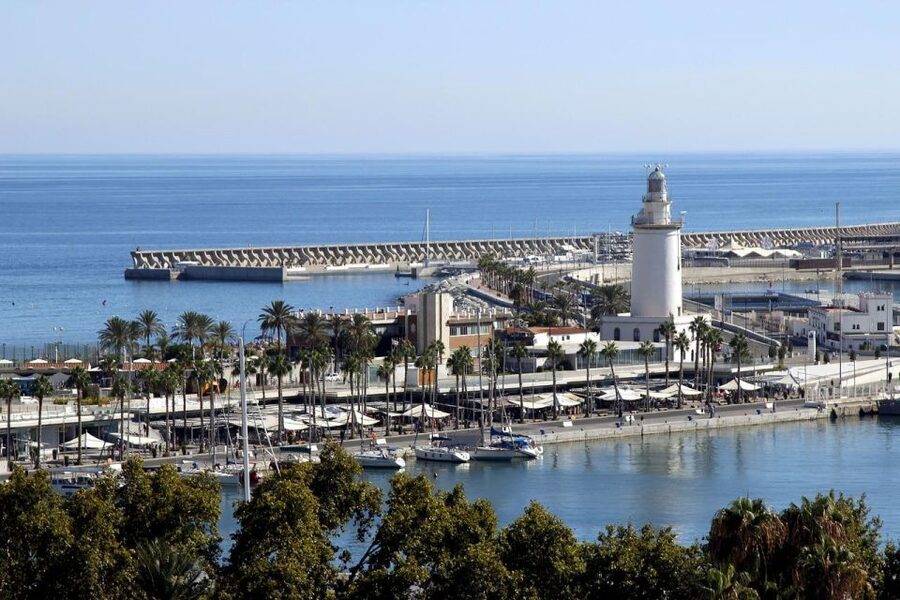
This is a tight, well-aimed loop of the historical center. You start at C/ Alcazabilla, 3, then you walk a short stretch to the Roman Theatre before climbing into the Alcazaba area. After that, you move through Plaza del Obispo and finish inside Málaga Cathedral.
What makes it work is the pacing. The Roman Theatre gets about 30 minutes, the Alcazaba about 80 minutes with walking, Plaza del Obispo about 30 minutes, and the Cathedral about 1 hour. That’s long enough for context, but short enough that you still feel like you’re actually exploring, not just being herded from one stop to the next.
You’ll also appreciate that the guide can adapt the route to your group’s interests. If you love military architecture, the Alcazaba can get more attention. If you’re more into religious art and symbolism, you can spend extra time inside the Cathedral.
Roman Theatre: the 1st-century stage that stayed buried
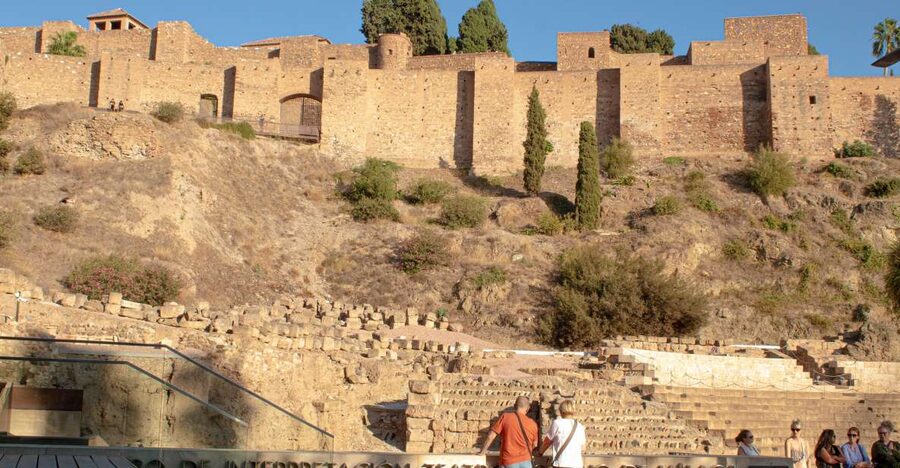
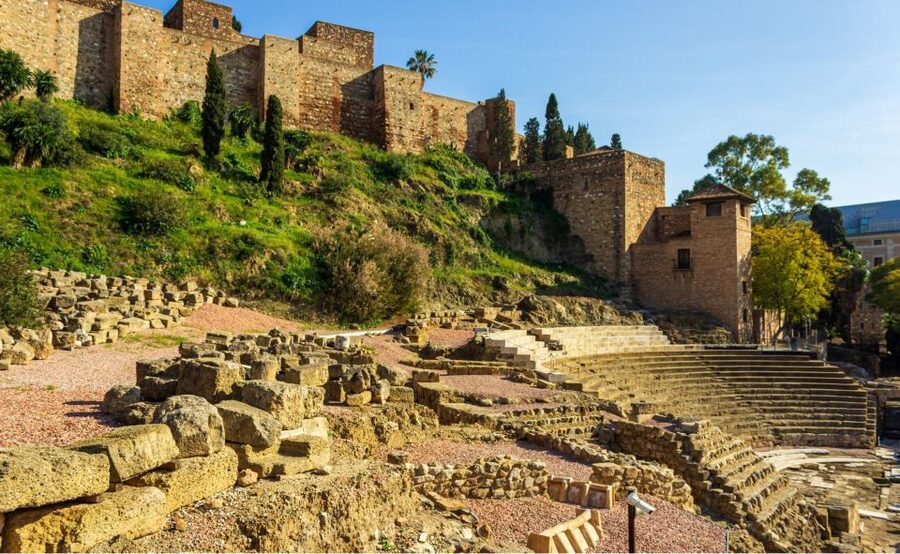
The Roman Theatre is the star for anyone who likes the physical scale of ancient cities. This one dates to the 1st century AD and served two purposes at once: public recreation and political messaging. In other words, it was not just entertainment. It was a place where leaders could show social hierarchy in a public setting.
The best part is the story of why you can still visit it. For centuries, it remained hidden underground, so you see a preserved remnant rather than only foundations. Your guide helps connect what you’re seeing to the idea that Roman Málaga, often referred to as Malacca in historical context, had an urban plan where power and leisure shared the same stage.
Practical tip: when you’re walking in this area, keep an eye on viewpoints and sight lines. Even if you’re not an architecture nerd, it helps to stand in a couple of spots and imagine how the space would have worked in use.
Alcazaba of Málaga: citadel fortress on Mount Gibralfaro
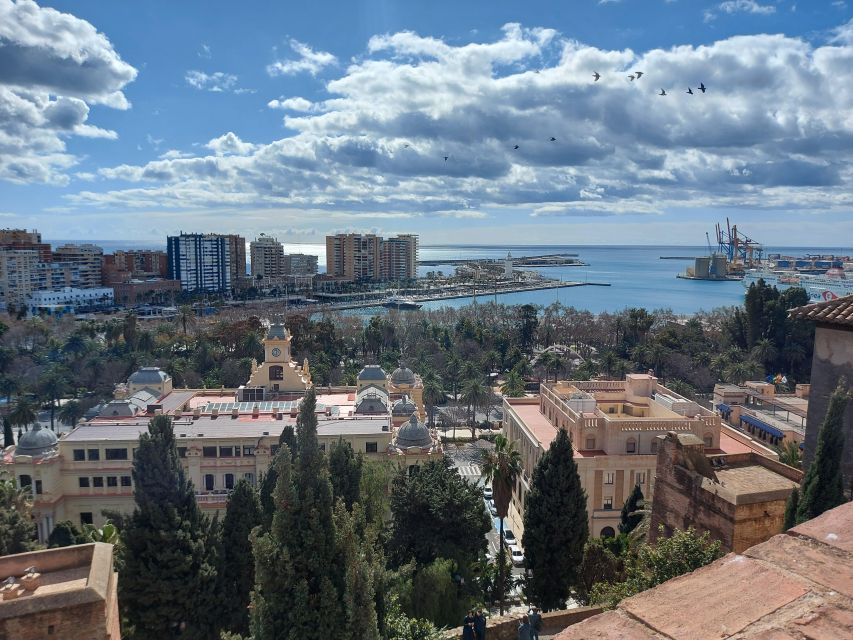
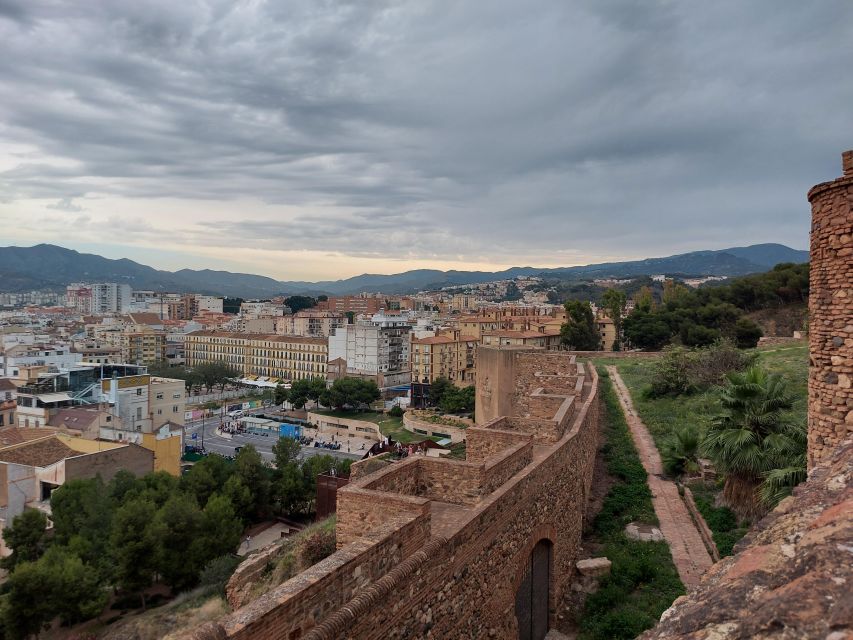
Next comes the Alcazaba, and it’s a different kind of wow. This palatial fortification is the trace of Málaga’s Muslim past, and the name comes from Arabic meaning citadel. The guide frames it as both a residence for Muslim rulers and a defensive machine, built to control access and protect the city.
Built in the 11th century, the Alcazaba sits on the slopes of Mount Gibralfaro. It was considered one of the best defensive constructions of its time and picked up nicknames like the impenetrable or the impregnable. That mix of luxury and security is a big theme here, and your guide will help you see how the palace and the fortification language overlap.
There’s also a key chapter you should know before you tour. In the 19th and 20th centuries, the fortress became a humble neighborhood. Later, it was declared a National Monument in 1931. After extensive restoration work, it’s now one of the best preserved examples of Islamic military architecture you can experience in this region.
One thing I like about this stop is that it isn’t just about walls. You’ll get help reading the site so you understand why the layout matters and what defensive features were designed to do. It turns a climb into a lesson.
Comfort note: the Alcazaba route includes steep areas and cobblestone ground. If you’re sensitive to uneven footing, plan to go slower, wear grippy shoes, and take short breaks when needed.
Other walks through Malaga on foot
Plaza del Obispo: the calm pause between the big monuments
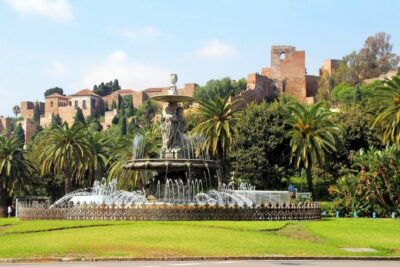
Plaza del Obispo is a short segment, but it matters. It’s a breathing space after the Alcazaba climb, and it helps reset your brain before you walk into the Cathedral.
You get a guided moment here, plus time to move on foot. I like this kind of stop because it keeps the tour from feeling like nonstop ticket lines and stair climbing. You’ll also find that the guide’s explanation can help connect the Cathedral era to what came before, which makes the final stop far more meaningful.
Málaga Cathedral, La Manquita: unfinished façade, old mosque echoes
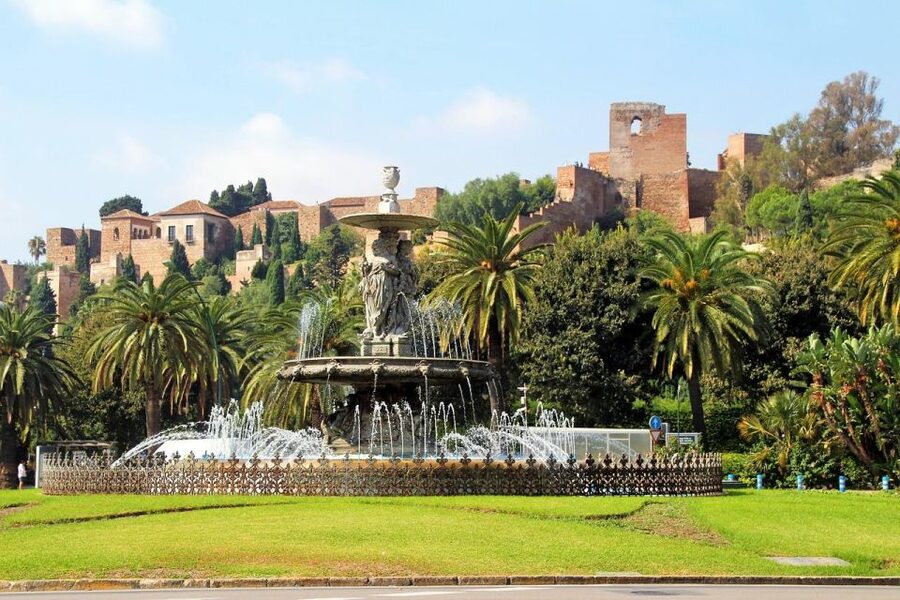
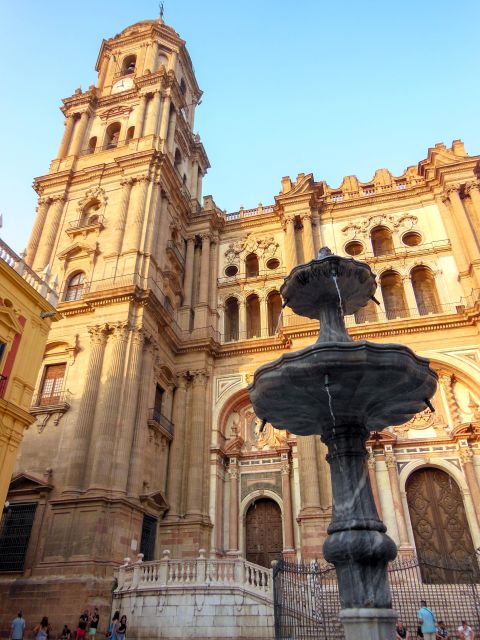
Málaga Cathedral is known by locals as La Manquita, and there’s a good reason for that nickname. The construction process is linked to the earlier existence of the Aljama Mosque from the Muslim era, so the Cathedral is not sitting on a clean slate. Looking at the main façade, you can notice that the construction was never completely finished.
Your guide will point you toward the Portal del Sagrario and explain why this area is significant. From there, you move inside for the core payoff: an understanding of the Cathedral’s internal structure, including vaults and columns. You’ll also look at the main altar and main chapels, with attention to the artistic and religious expressions you’ll spot in the details.
If you enjoy craft, the choir is worth your time. You’ll see carved wooden stalls, which add a different texture to what you’ve already seen in the Roman Theatre and Alcazaba. After the stone-forward fortification style of the Alcazaba, the Cathedral interior feels more about verticality, space, and ornament.
What to expect inside is not just photo stops. The guide will help you understand the Cathedral as an evolving site shaped by cultural transitions, not as a single-era monument frozen in time.
How the tour’s private format actually helps you
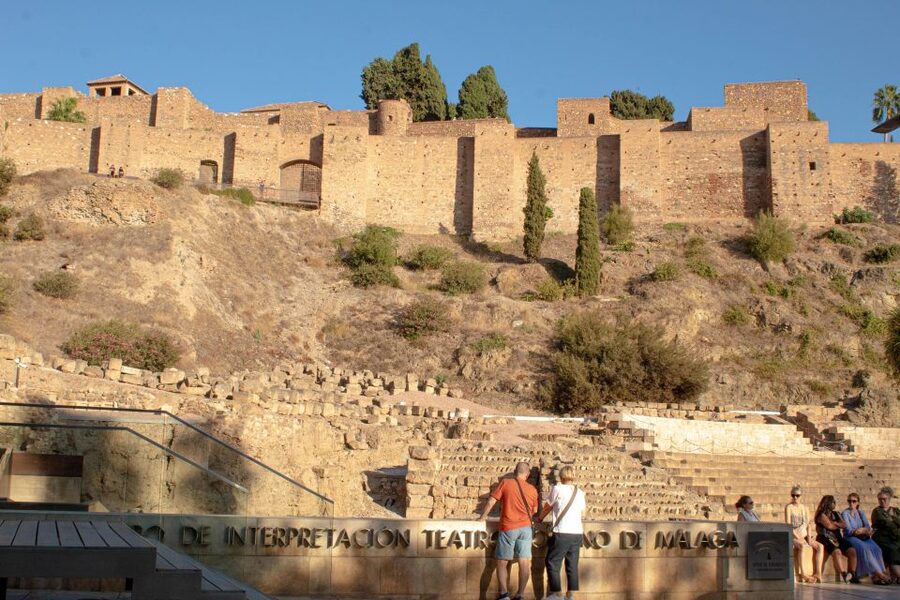
This isn’t a scripted group experience where you’re trapped in someone else’s pace. It’s a private group, and the route can be adapted to your interests. That matters for two reasons.
First, you can slow down at the moments that click for you. Maybe it’s Roman urban planning. Maybe it’s defensive architecture. Maybe it’s the Cathedral’s transition from mosque-era presence to later Christian construction. With a private guide, you can ask follow-up questions without feeling rushed.
Second, the guide can steer your attention. These sites have tons of visual information, and most people walk through historical places without knowing what they’re looking at. A local guide helps you spot the meaning behind what seems like decoration or random layout.
One detail I find especially reassuring: in previous tours, guide Maria Lourdes has been praised for adapting to the public and even handling very complicated weather conditions. That’s the kind of competence you want when you’re dealing with outdoor walking between monuments.
Value and timing: what your money is covering
At $119 per person for a 3-hour private walk, you’re paying for more than a guide’s time. You’re also getting the major entrances included, specifically the Roman Theatre Entrance, Alcazaba Entrance, and Cathedral Entrance. That’s a real value boost because you avoid extra ticket handling during your tight schedule.
You also skip the ticket line, which reduces wasted minutes. With only three hours total, those small savings matter.
Pickup is another practical point. Pickup is included if your hotel or meeting place is located in the historical centre of Málaga. If not, you’ll meet at C/ Alcazabilla, 3. Either way, the tour is designed to keep you moving through the historic core efficiently.
For timing, remember the route includes both guided visits and walking. Comfort gear matters more than you might think, especially once you reach the Alcazaba section.
What to bring (and what to avoid) so the tour feels easy
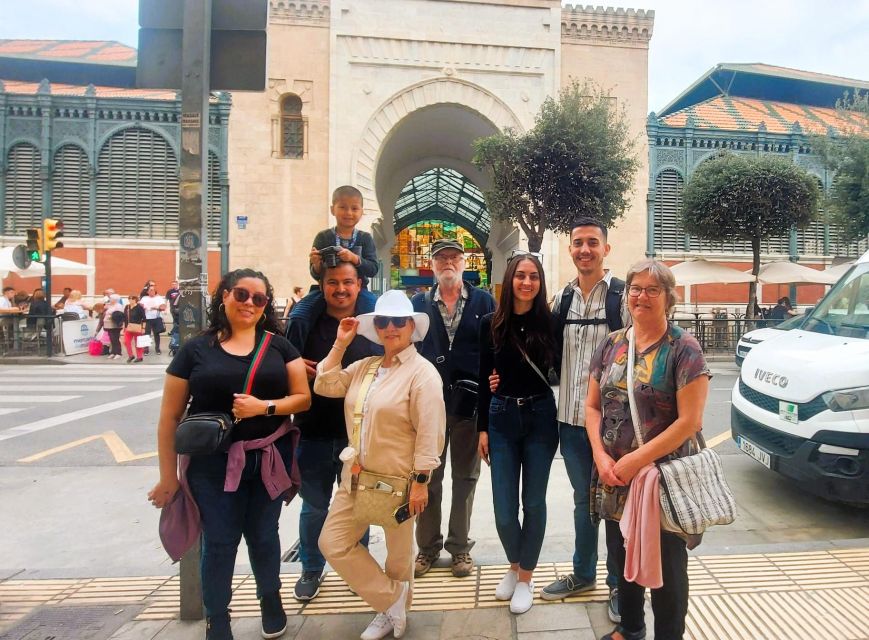
This is one of those tours where small choices make a big difference. Wear comfortable shoes with good grip because cobblestones and steep areas are part of the experience. Bring comfortable clothes suitable for walking.
There are also clear rules. Food and drinks are not allowed, sleeveless shirts are not allowed, smoking indoors is not allowed, and baby carriages are not allowed.
If you tend to get cold when you’re resting in shade, you might want a light layer, since monuments can shift between sun and stone cool. The tour is outside in parts, including the walk segments between stops.
Who this tour suits best, and who should think twice
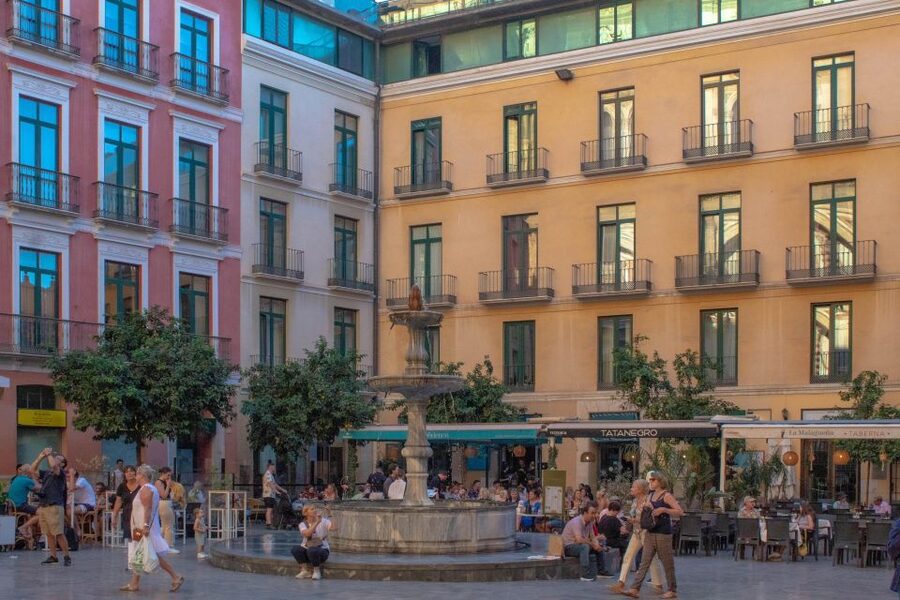
This tour is a strong fit if you want a guided walk across the three defining monuments of Málaga’s history, all in one half-day. It’s ideal for couples, small groups, or anyone who likes explanations and wants to avoid guessing about what you’re seeing.
It’s also a good match if you want a private format. The guide can adapt pacing and focus to your group, which is especially helpful for families with mixed interests or for history lovers who want context.
The main reason to think twice is mobility. This visit is not suitable for wheelchair users, and during the Alcazaba section you’ll face steep areas and cobblestone ground. If that describes your group, you might want a different route that reduces elevation and uneven surfaces.
Should you book this private Cathedral, Alcazaba and Roman Theatre tour?
Yes, I’d book it if you want one efficient, high-impact afternoon covering Roman, Islamic, and Cathedral-era Málaga with a real guide behind the scenes. The value feels solid because entrances are included and you skip the ticket line, so your time stays focused on the sights rather than logistics.
You should skip or reconsider if walking steep cobblestones is a problem. In that case, the Alcazaba segment will likely be more effort than the payoff.
If you’re the type who likes to understand how and why a place changed over time, this tour gives you exactly that. You’ll see the Roman Theatre’s blend of power and entertainment, understand why the Alcazaba was built like a fortress, and then connect the Cathedral’s unfinished façade to mosque-era history. It’s a clean story arc in just three hours, and that kind of clarity is hard to recreate on your own.
FAQ
How long is the private walking tour?
The tour lasts about 3 hours.
What monuments are included in the itinerary?
You’ll visit the Roman Theatre, the Alcazaba of Málaga, and Málaga Cathedral. Plaza del Obispo is included as well.
Are tickets included?
Yes. Roman Theatre Entrance, Alcazaba Entrance, and Cathedral Entrance are included, and you also skip the ticket line.
Is hotel pickup included?
Pickup is included if your hotel or meeting place is located in the historical centre of Málaga. Otherwise, the meeting point is C/ Alcazabilla, 3.
What languages will the guide speak?
The live tour guide is available in English and Spanish.
Is food allowed during the tour?
No. Food and drinks are not allowed.
Is the tour suitable for wheelchair users?
No. The tour is not suitable for wheelchair users.
What should I wear or bring?
Bring comfortable shoes and comfortable clothes, since there are steep areas and cobblestone ground.
Can I cancel and get a refund?
Yes. You can cancel up to 24 hours in advance for a full refund.
More Tours in Malaga



More Tour Reviews in Malaga


Fortress, Theatre and Castle



Fresh on the Malaga list


Alcazaba & Gibralfaro Tours, compared.
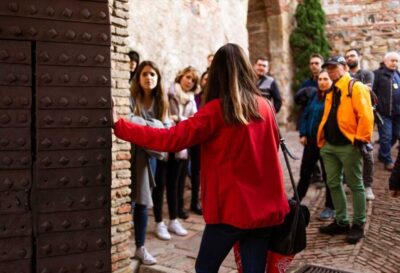 ★ 4.8Alcazaba and Roman Theatre Guided Tour With EntryFrom $145,792 reviews
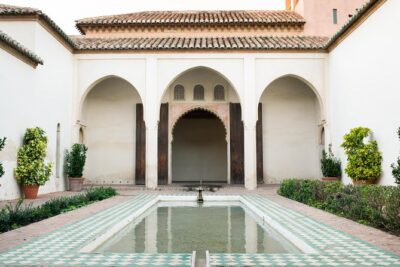 ★ 5.0Alcazaba Malaga Guided TourFrom $211,457 reviews
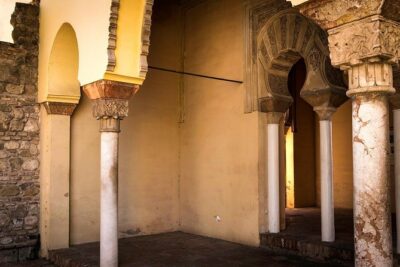 ★ 4.5Malaga Tour with Cathedral, Alcazaba and Roman TheatreFrom $45548 reviews
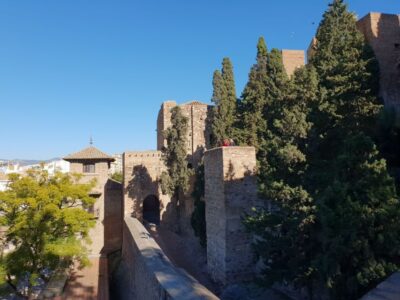 ★ 4.7Cathedral, Alcazaba, Roman Theater Walking TourFrom $53315 reviews
 ★ 4.8Gibralfaro Castle, Bullring and Port Segway TourFrom $42298 reviews
 ★ 4.7Tour to GibralfaroFrom $35182 reviews
 ★ 5.0Malaga Private Walking Tour, Alcazaba & Catamaran CruiseFrom $264159 reviews
 ★ 4.9Malaga segway: Panoramic tour of GibralfaroFrom $4194 reviews
Browse the lists this tour appears in