
Málaga tells its story on cobblestones. This private 2-hour sightseeing tour takes you across the city’s big landmarks plus the smaller streets locals actually use. I like that it packs Picasso sights and old-city layers into one walk, not a grab bag of random stops.
Two things I really like: you start right at Plaza de la Merced, which is an easy, central jumping-off point, and you get a private guide who can steer the pacing to what you care about. You’ll pass the cathedral, fortress areas, and port views while the guide explains why each place matters.
One thing to plan around: this is not wheelchair accessible, and you’ll be walking the whole time. Also, food and drinks are not included, so if you want tapas, you’ll need to budget extra.
Key Highlights at a Glance
- Private format, so the guide can tailor the flow to your interests and pace
- Plaza de la Merced start point, right in the heart of Distrito Centro
- Picasso birthplace plus the church tied to his christening
- Gibralfaro fortress history with a clear explanation of how it monitored the city
- Roman Theatre remnants to Moorish fortifications connections
- Atarazanas Market as a practical local stop to end your walk on a real vibe
More of the city, from the port up to Gibralfaro
- Málaga: Alcazaba and Roman Theatre Guided Tour With Entry★ 4.8 · 5,792 reviews
- From Malaga and Costa del Sol: Gibraltar Tour★ 4.4 · 4,483 reviews
- Malaga: Teatro Flamenco Malaga Live Flamenco Show★ 4.7 · 4,254 reviews
- From Málaga: Ronda+Setenil de las Bodegas with Little Train★ 4.6 · 4,115 reviews
Plaza de la Merced, Calle Granada, and the Beat of Old Malaga
You get a strong sense of Malaga fast because the tour starts at Plaza de la Merced (Pl. de la Merced, 25). This square is the kind of place where you can hear the city settle into a rhythm. From here, you’re set up to understand Málaga as a layered place, not just a list of famous buildings.
The walk immediately moves into the older streets, including Calle Granada and Iglesia de Santiago. Expect the guide to point out details you might miss if you’re just wandering, like how the city’s religious and cultural landmarks sit right in the flow of everyday life. This is one of those tours where the guide’s explanations change what you notice, even if you already know the headline facts.
If you like photos, this section is also built for them. You’ll be getting tight street angles, then opening views as you approach larger structures. Wear comfy shoes. Sidewalks and steps in this part of Malaga can be uneven, and the tour is roughly 2 hours of walking.
Iglesia de Santiago and Picasso’s Story Before the Fame
Malaga has a special reason to talk about art and family, not just museums and monuments, and the tour leans into that. You’ll see the church where Pablo Ruiz Picasso was christened, tied to his early life. Even if you’re only a casual Picasso fan, it makes his story feel more human, because it’s about place and community, not just paintings on a wall.
You also visit Picasso’s birthplace. That matters because you’re not only hearing about his work, you’re seeing how the city connects to it. The guide’s job here is to help you link the art to the streets you’re standing on, plus explain how the local culture shaped the environment around him.
Practical tip: if you’re interested in Picasso, slow down at the moments the guide calls out. This tour keeps moving, so you’ll get more out of the stop if you ask one good question instead of trying to read everything at once.
Málaga Cathedral and Gibralfaro: Two Ways to See the City
One of the clearest payoffs here is the combo of Málaga Cathedral and the fortress of Gibralfaro. The cathedral gives you the city’s monument scale. It’s not just pretty architecture, it’s a landmark that shows how Malaga asserted identity through major building projects.
Then you get the other angle: Gibralfaro fortress. The guide explains how it was used to govern and monitor the whole city of Malaga. That explanation turns the fortress from a static photo stop into a strategic place. You’ll understand why it sits where it does, and why control, lookout points, and defense mattered in a long-ago urban world.
If you’re planning your day around views, this is where you’ll want to be alert with your phone camera charged and your battery pack ready. Fortress overlooks tend to give you clear “whole city” framing, and the guide will help you orient what you’re looking at.
The same trips, run privately


Alcazaba Street, Moorish Power, and the Logic of Fortifications
After the cathedral and fortress, the tour shifts into the Moorish side of Malaga: the Alcazaba area and Alcazabilla Street. You’ll learn about the fortress setting and how these walled spaces worked. The real value is how the guide connects architecture to function, like where movement would have gone and why certain walls and layouts exist.
The vibe here feels different from the cathedral zone. You’re still in the old center, but now you’re in a place that was designed for control. Even if you’re not a history nerd, you’ll probably enjoy it because you can feel the “purpose” behind the stonework.
A small drawback to consider: fortifications usually mean steps and uneven terrain. The tour is not wheelchair accessible, and even able-bodied guests should plan for some uphill sections and curb cuts.
Picasso Museum Stop: Art You Can Actually Follow
The tour also includes time around Picasso’s museum with an extensive collection of his paintings. For me, the best part of this museum stop is the context. By the time you reach it, you’ve already seen the birthplace and the church linked to his christening. That means you’re more likely to understand the emotional storyline, not just admire a set of works.
You should also plan to move at museum-reading speed. If you rush, you miss the payoff. If you slow down, you’ll get that moment where the guide’s points make a specific painting or theme click.
One practical note: bring patience. Museums take longer than walking streets because you’ll want to look carefully. The tour is designed to fit everything into about 2 hours, so your guide will keep you moving, but you still get a chance to see what’s important.
Roman Theatre Remnants and the City’s Long Memory
Malaga wasn’t always Malaga. This tour makes that point without turning into a lecture. As you pass by the remnants of the Roman Theatre, you’ll learn about the Roman Empire in a way that connects to what you can see today.
Even if the ruins are small compared to a full Roman site, the guide helps you interpret them. It’s the difference between seeing a few stones and understanding why they were placed there and how they relate to the city’s growth over time.
This Roman-to-Moorish contrast is a big reason the tour feels satisfying. You’re not bouncing randomly between eras. You’re seeing how different cultures shaped the same city footprint.
Calle Larios, the Cathedral Views, and Constitution Square Moments
Then you step into the more grand, central streets and squares, including Calle Larios. This is one of the city’s classic promenades, and it’s where you can feel the contrast between major ceremonial spaces and the quieter side streets you’ve already walked.
You’ll also admire Málaga Cathedral from the street approach, then move through areas like Constitution Square. Those stops are useful because they help you reset. After fortresses and museums, squares give you breathing room, plus a chance to orient yourself visually. You’ll be able to connect the dots, like where the cathedral sits relative to the older walkways and where the port is in the overall layout.
The tour also includes Paseo de los Curas. This is the kind of place that works well mid-walk when you want calmer scenery and an easy rhythm. The guide’s commentary helps you see it as part of the larger urban story, not just a pretty stretch.
Malaga’s Port Charm and the Walk Toward the Water
A highlight of the experience is ending with the charm of Malaga’s port area. The port zone makes the city feel real because you’re near the working and leisure overlap. Even if you’re only there briefly, you’ll feel that shift from “architecture tour” to “city living.”
I like the way the tour uses the port moment to land your understanding. After learning about fortifications, religious landmarks, Roman remnants, and Picasso’s roots, the walk toward the water gives you a simple emotional close: you’re seeing where history and modern life meet.
Tip: if you want photos without crowds, arrive with your plan in mind. The port area can have foot traffic, and you’ll enjoy it more if you know what you’re trying to capture, like boats, sea line, or skyline views.
Atarazanas Market: Your Local-Flavor Finish
The tour wraps by visiting Atarazanas Market, one of the city’s major markets. This is a great place to end a sightseeing walk because it changes your senses. You go from monuments to everyday commerce.
Market time is also practical if you want souvenirs or quick snacks later. Even though food and drinks are not included, the market makes it easy to decide what you’ll try on your own after the tour, whether that means something sweet, something savory, or just a drink to cool down.
What you’ll appreciate most is the contrast. Walking tours can feel like you only see surfaces. A market forces you to experience the city’s everyday side.
Price and Value: Is $103.03 Worth It?
At $103.03 per person for about 2 hours, this tour is not a bargain-basement option. But private walking tours in historic centers cost money for a reason: you’re paying for time with a guide plus a route that actually strings key sites together.
Here’s why I think the value works for the right traveler:
- You get a private guide, meaning less time negotiating group pace and more time asking questions.
- You cover a lot of famous landmarks in a compact area, including Picasso’s birthplace, the church tied to his christening, Málaga Cathedral, and the Alcazaba/Gibralfaro zone.
- The tour lists admission as free (at least for the activity’s included ticket part). That matters because entry fees can quietly add up on city tours.
If you’re a solo traveler who likes wandering on your own, you could probably do parts of this route independently. But if you want structure and interpretation, this is one of those “pay once for clarity” experiences. You’re buying the guide’s ability to connect the city’s layers into one story you can remember.
Also note: group discounts are listed. If you’re traveling with friends, it’s worth checking if the price drops for your group size.
Who This Private Walking Tour Fits Best
This tour is best for you if you want a guided route through Malaga’s core without feeling stuck in a big group. It’s also a good fit if Picasso is part of your travel plan, because you’re not just seeing a museum name, you’re seeing the early-life connections too.
You’ll likely enjoy it if:
- you like walking city centers and learning why places look the way they do
- you want a mix of religious landmarks, fortresses, Roman remnants, and market life
- you prefer a pace that leaves room to ask questions and adjust focus
Consider skipping or pairing with something else if you have trouble with walking. This tour is not wheelchair accessible, and it’s built around seeing a lot by foot. If you want a slower, mostly sit-down experience, you might be happier with a different format.
Should You Book This Malaga Private Sightseeing Tour?
Yes, I’d book it if you want a focused taste of Malaga’s highlights in two hours, with a guide who can connect Picasso, Moorish fortifications, and the city’s older layers into one coherent walk. The private setup and the way the route ends at Atarazanas Market make it feel practical, not just scenic.
I would not book it if your priority is minimal walking or if you hate planning around uneven old-city sidewalks. Also, if you’re hoping the tour includes meals, it doesn’t. You’ll handle food on your own.
If you’re ready to see Malaga as a living, layered city, this one is a solid bet.
FAQ
Where does the tour start?
It starts at Pl. de la Merced, 25, Distrito Centro, 29012 Málaga, Spain.
How long is the tour?
The tour lasts about 2 hours.
Is this a private tour?
Yes. It’s private, so only your group will participate.
What’s included in the price?
The included items are a private guide and a private tour of Malaga.
Is food included?
No. Food and drinks are not included.
Is admission included?
The activity lists an admission ticket as free.
Do I need a mobile ticket?
Yes, a mobile ticket is part of the tour.
Is the tour accessible for wheelchairs?
No, the tour is not wheelchair accessible.
Are service animals allowed?
Yes, service animals are allowed.
What is the cancellation policy?
Free cancellation is available if you cancel up to 24 hours in advance of the experience’s start time for a full refund.
More Tours in Malaga



More Tour Reviews in Malaga



Malaga, Three More Ways
Fresh on the Malaga list


Málaga Tours, compared.
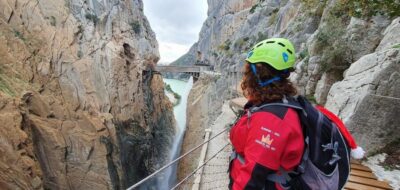 ★ 4.8Caminito del Rey Guided Tour with TransportationFrom $6912,183 reviews
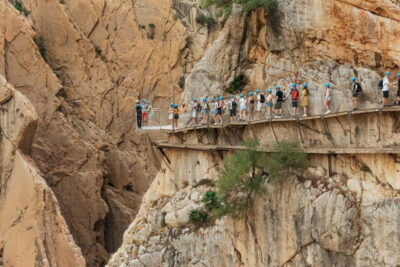 ★ 4.7From Málaga & Costa del Sol: Caminito del Rey Guided TourFrom $677,488 reviews
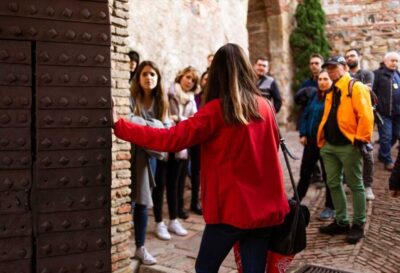 ★ 4.8Alcazaba and Roman Theatre Guided Tour With EntryFrom $145,792 reviews
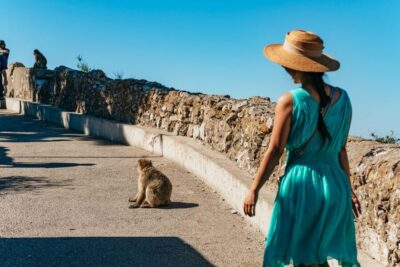 ★ 4.4Gibraltar TourFrom $384,483 reviews
 ★ 4.7Teatro Flamenco Malaga Live Flamenco ShowFrom $344,254 reviews
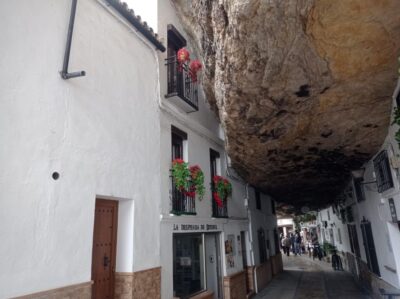 ★ 4.6Ronda+Setenil de las Bodegas with Little TrainFrom $344,115 reviews
 ★ 4.6Full-Day Trip to GibraltarFrom $353,516 reviews
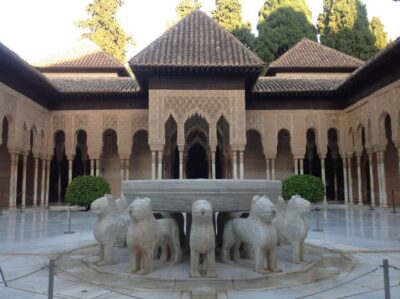 ★ 4.6Granada Full-Day Trip with AlhambraFrom $1283,235 reviews