
REVIEW · WALKING TOURS
Málaga: Highlights, Old Town & Viewpoint Walking Tour
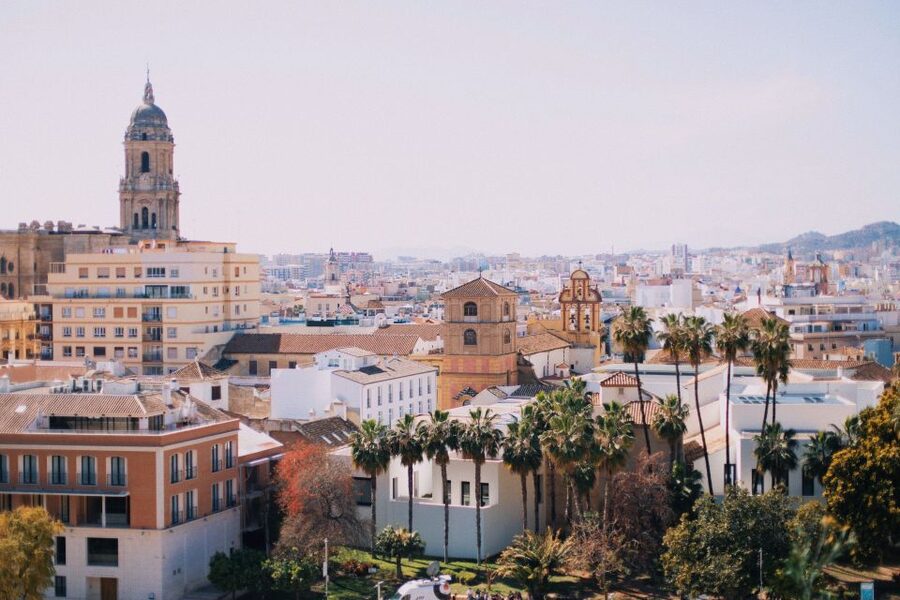
Málaga rewards people who walk. This 2-hour Old Town and viewpoint tour is a fast way to understand the city’s layers, from Roman echoes to Moorish walls and Christian change. You also get a short climb to a viewpoint that other tours often miss, which means better photos and fewer crowds.
I especially like the way this route packs major sights in a logical order, so you do not waste time guessing where to start. I also appreciate that you pass by major art stops tied to Picasso, but still keep the focus on how the city works, not just what you can snap from the street.
One consideration: it is not suitable for mobility impairments, and you will be on your feet on uneven Old Town streets plus a paved uphill section to the lookout.
Key things I’d focus on
- Old Town orientation fast, starting at the White Fountain so you can map the rest of your day
- Moorish narrow streets to Alcazaba, with real context for why the fortress mattered
- A special viewpoint walk, on a paved path, with sweeping views over Málaga Bay
- Picasso-linked streets and sites, explained in a way that helps you connect the dots later
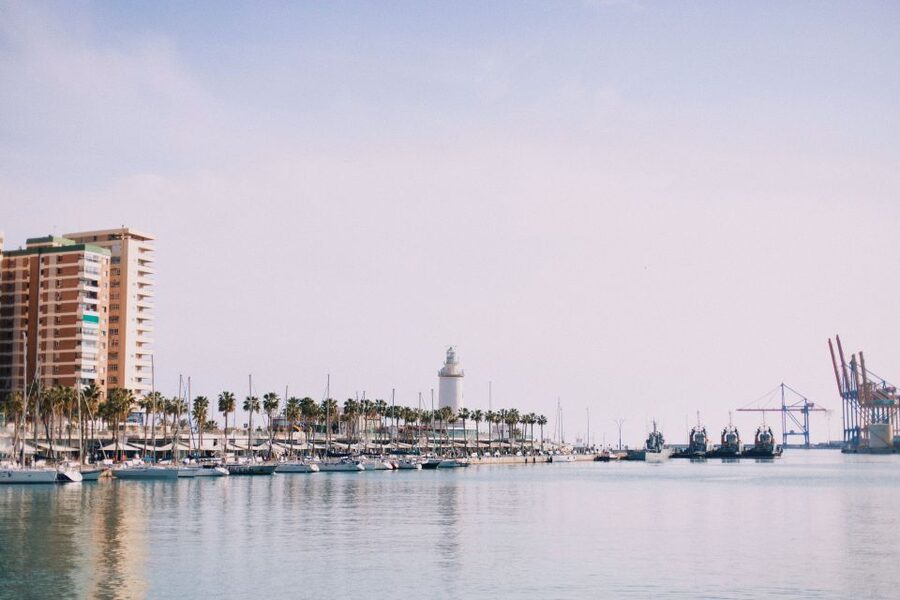
- Modern Málaga stops too, including Paseo del Parque and the new Port area
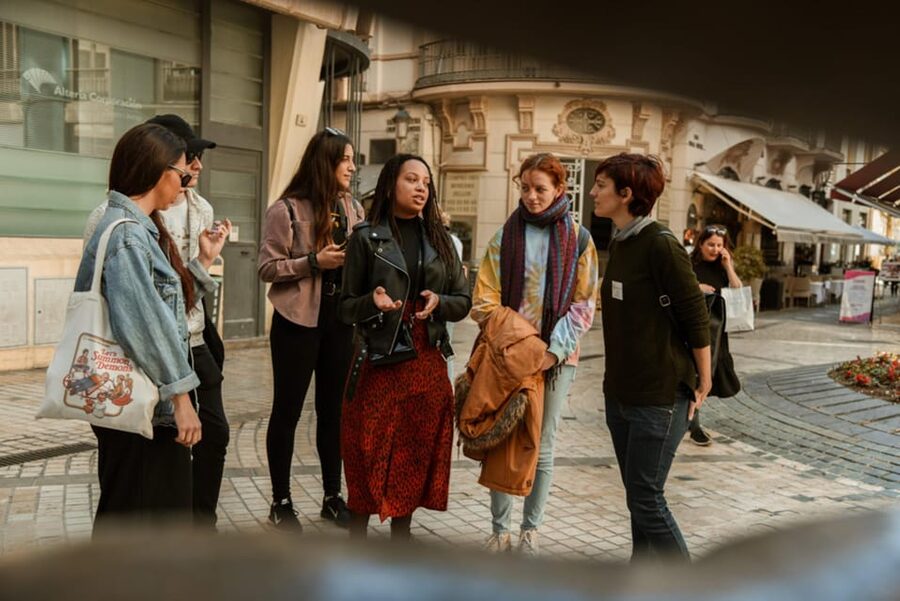
- Small group feel, with guides praised for being personable and helpful, like Alicia
More of the city, from the port up to Gibralfaro
- Málaga: Alcazaba and Roman Theatre Guided Tour With Entry★ 4.8 · 5,792 reviews
- From Malaga and Costa del Sol: Gibraltar Tour★ 4.4 · 4,483 reviews
- Malaga: Teatro Flamenco Malaga Live Flamenco Show★ 4.7 · 4,254 reviews
- From Málaga: Ronda+Setenil de las Bodegas with Little Train★ 4.6 · 4,115 reviews
Why this 2-hour Málaga walk is a smart first move
If Málaga is new to you, this tour works because it gives you a framework. In just two hours, you get a sense of how Old Town shifted across centuries, and you learn what to notice when you keep wandering afterward.
The route is also efficient for the price. At $46 per person for a live guide, you are paying for guided navigation, historical storytelling, and a viewpoint moment that can be hard to time on your own. You are not just collecting stops. You are building a mental map, so the next museums, neighborhoods, and restaurants feel easier to choose.
The pacing is active, but it is not a marathon. Expect a walking tour with short segments, plus a short hike to the viewpoint on a paved path. Bring comfortable shoes and water, and you will set yourself up for a smooth day.
Meeting at the White Fountain, then locking in your bearings
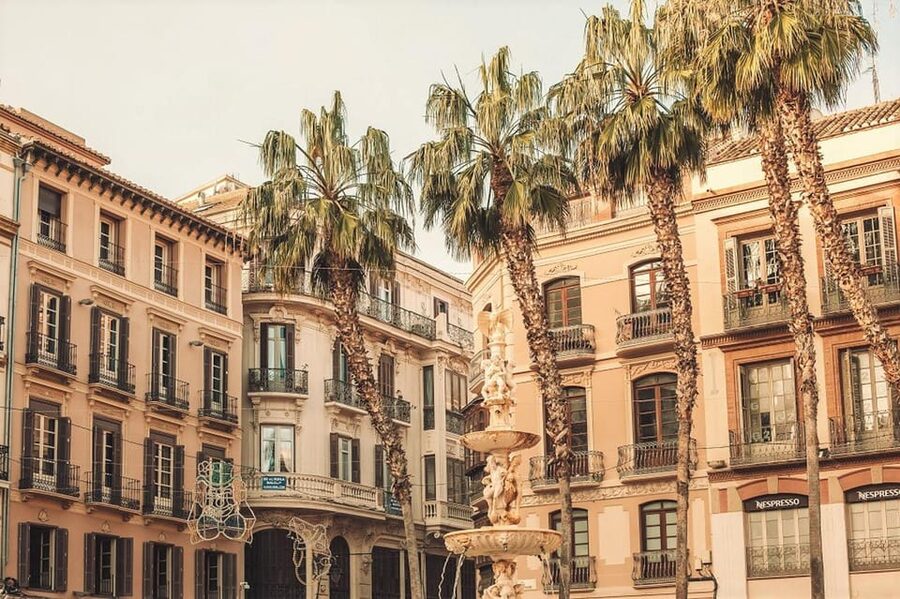
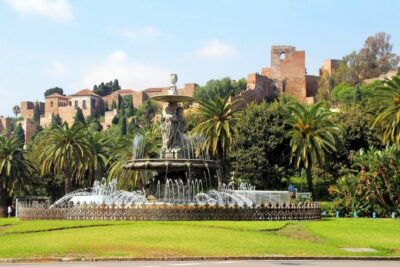
The tour begins right next to the Fuente de Genova (White Fountain) in Plaza de la Constitución. This is a good meeting spot because it puts you at a central “hub,” where you can orient yourself fast. Once you start moving, you will see how the tour threads its way into the older maze of streets.
From there, you head toward Calle Larios, Málaga’s famous central promenade. Even if you have seen photos of it, walking it in the context of the Old Town route helps. You learn what streets connect where, and how the city’s main lanes lead toward more tucked-away corners.
In the first stretch, the guide’s job is to get your attention. You start noticing landmarks like the cathedral area and key squares, not as isolated attractions, but as pieces of a bigger story.
Plaza de la Constitución and Calle Larios: the easy start you need
After meeting at the fountain, the tour continues through the heart of Málaga’s center, including Plaza de la Constitución and Calle Larios. This is where first-time visitors often feel a little lost, because you are surrounded by activity and street life.
On this tour, those wide streets are your warm-up. The guide uses them to point you toward what comes next: the older religious and civic sites, and the walk into the Moorish-style lanes where everything feels tighter and more layered.
If you like travel that helps you plan, this is the part that matters. You are not only watching. You are learning what direction to go later when you are on your own.
Other walks through Malaga on foot
Plaza del Obispo to Málaga Cathedral: where the city’s power shows
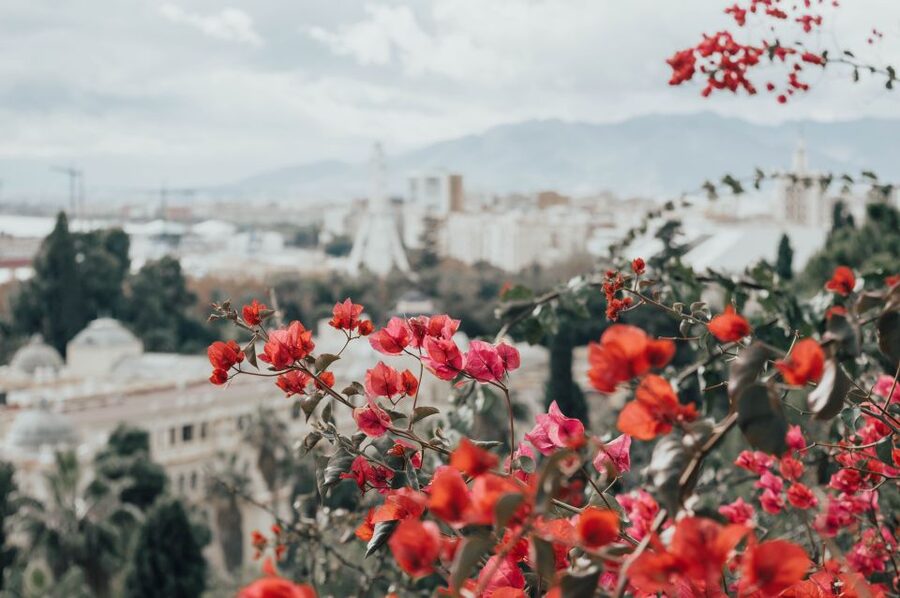
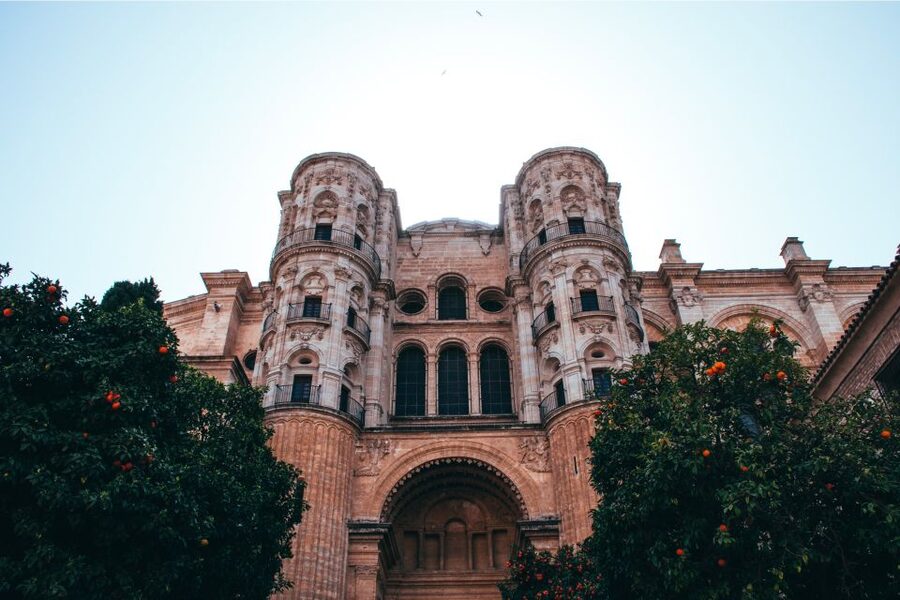
Next up is Plaza del Obispo, then a pass by Málaga Cathedral. Even if you are not going inside, this stop is useful because it anchors the city’s Christian-era identity. The guide ties it into the broader shifts in Málaga over time, so it does not feel like just another big building.
I like that the tour does not force everything into one “big monument” moment. Instead, it keeps connecting squares and streets, so you understand how people moved through the city and what locations gained importance.
And you get a simple takeaway: in Málaga, religious and civic power sits right alongside older layers. When you later see a fortress wall or a Roman theater sign, it makes more sense why it sits where it does.
Picasso stops that help you explore later, not just look once
Málaga is famous for Picasso, and this tour includes multiple Picasso-related points. You will pass by the Picasso Museum Málaga, plus visit viewpoints tied to his story, including Picasso’s Birthplace Museum and the Church of Santiago area.
Here is why this works for you: the tour handles these spots as part of a route, not as random detours. That means when you decide what to do after the tour, you can choose with confidence. You know which Picasso stops are closest to the areas you already walked and how they fit into the Old Town rhythm.
Also, the guide’s explanations tend to make the connections clearer. One review highlights how guides give practical recommendations, and that is exactly what you want here. You do not need a list of facts. You need to know what to prioritize next if you have limited time.
Church of Santiago, then Moorish streets toward Alcazaba
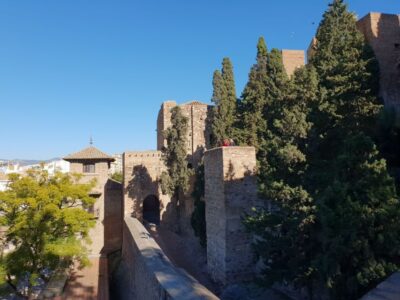
A highlight stretch follows, including Church of Santiago and then the walk toward Alcazaba of Málaga. This is where the Old Town changes character. Streets feel narrower. The walls and fortifications start to look like they belong to a different era, not just an old backdrop.
The tour’s approach is practical. You see the fortress and you get explanations about what life looked like in the different periods. The guide also points out remains of the fortress wall on the way up to the viewpoint, which helps you connect the dots across the route.
The Moorish streets portion matters because it changes your perspective. You stop thinking of “sites” and start thinking of “systems”: walls, access points, and neighborhoods built around protection and trade.
Alcazaba and the Roman Theater: seeing the city’s layered power
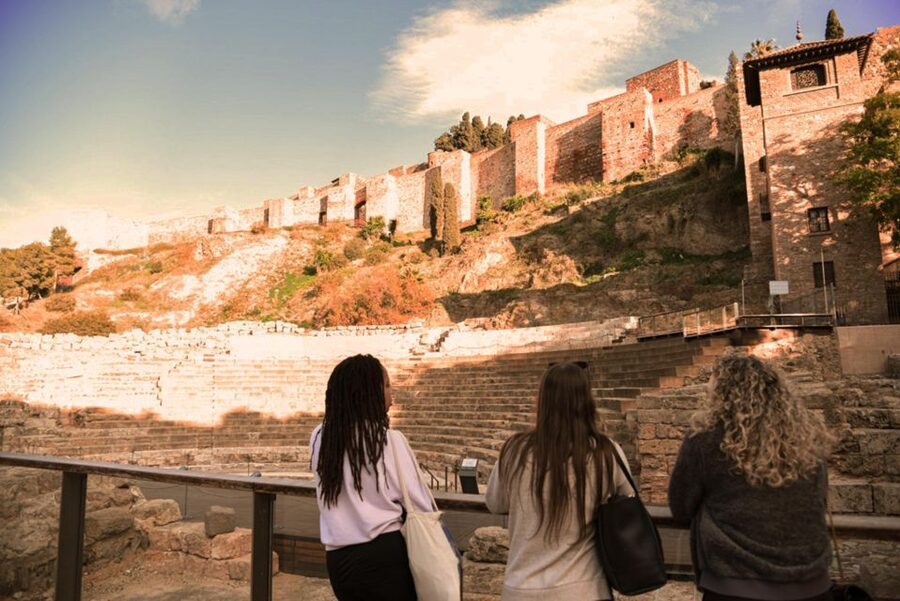
You will pass by Roman Theatre, Málaga, and the tour finishes near Teatro Romano de Málaga. Even without going deep into ticketed areas, the Roman Theatre connection adds context. Málaga is not only an Andalusian postcard. It has serious roots going back a long time, and the guide’s timeline helps you feel that continuity.
Then you see Alcazaba as the later shift in control and defense. This combo is powerful because it forces you to notice how the city reused and reshaped its spaces. You can look at a stone wall and understand it as an adaptation, not a static relic.
If you like history but dislike museum fatigue, this is a good balance. You get context in motion, with stops that help you orient your attention.
The viewpoint hike to Málaga Bay: the rare moment you will remember
Now for the part that most strongly sells this tour: the short hike to the viewpoint that no other tour seems to hit. You walk along a paved path, which is important because it makes the climb manageable for most people who can handle steady walking.
On the way up, the guide points out remains of the fortress wall and explains how daily life changed after the Christian reconquest. Even if you have never studied reconquest history, the guide frames it in human terms, so it feels connected to the places in front of you.
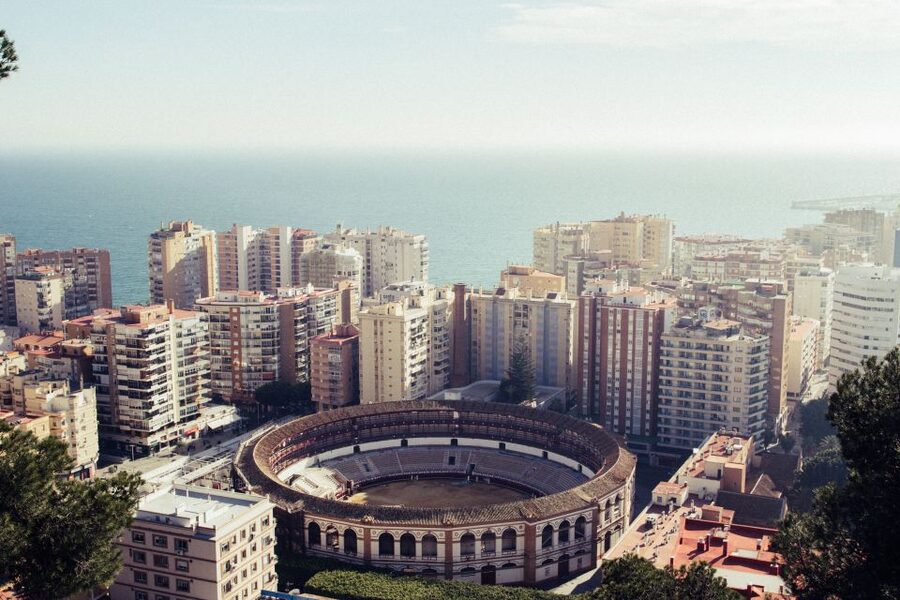
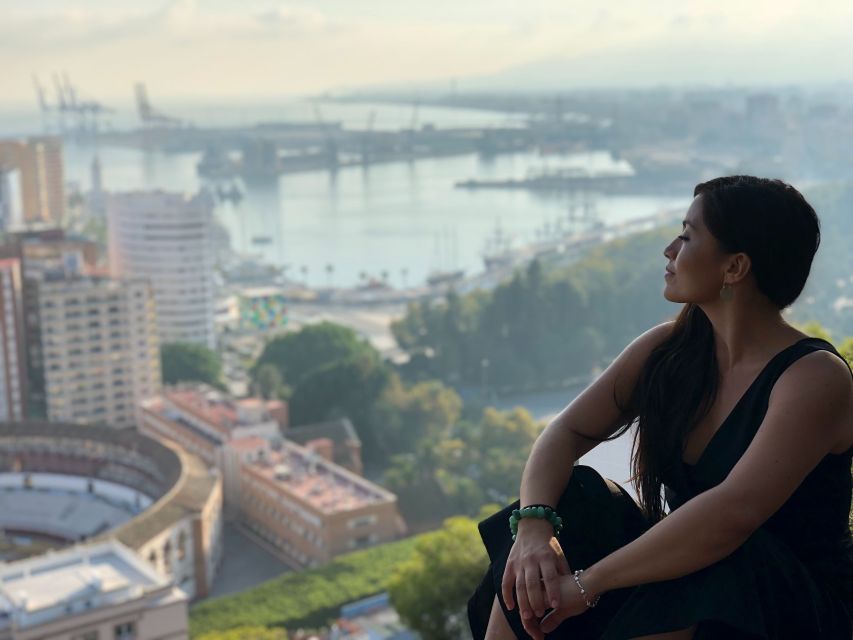
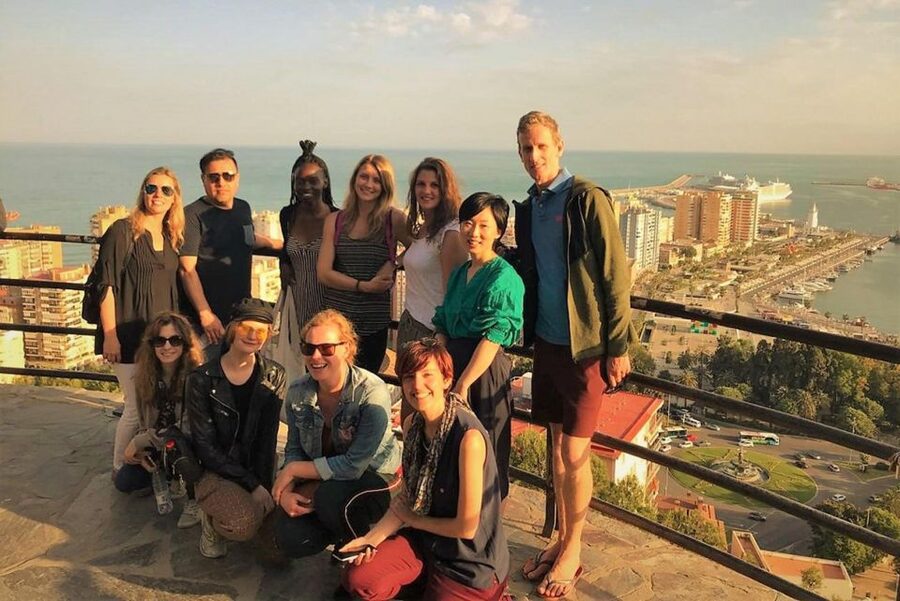
Then you reach the viewpoint and the views over Málaga Bay land with full impact. This is where you suddenly understand the city’s geography: the coast, the port area in the distance, and how the Old Town sits above the waterline.
Practical tip: bring your water and pause often. You do not need to rush, because the whole point is to look. Take a few photos, then just watch. The sea and the city look different as you angle yourself.
Paseo del Parque and the new Port: Málaga’s modern cultural shift
After the viewpoint, you do not get dumped back into “only Old Town.” You also talk about how Paseo del Parque Tropical Park and the new Port changed the feel of Málaga and helped it become a reference in cultural tourism.
This part is great for you if you worry that Old Town tours stop at the past. You need at least one bridge to the present, because Málaga is not a theme park. It’s a living city with new ways to spend time, enjoy evenings, and host visitors.
When the guide explains these developments, you start noticing them later on your own walk. You see where modern areas relate to older streets, and why people want to live here, not just visit.
Ending near the Teatro Romano and getting local next-step tips
The tour rounds back toward Old Town and then ends at Teatro Romano de Málaga. Finishing near a major historic site makes sense, because it caps your walk with something recognizable and rooted.
Before you go, the guide gives useful advice on how to keep exploring like a local. That matters more than it sounds. A good city tour does not just show places. It teaches you what questions to ask yourself next, like which neighborhood feels right for your mood and how to structure the remaining hours.
I also like the “small group” advantage that comes through in the reviews. One booking notes a group of just two, which usually means more chances to ask questions and get suggestions that match your pace.
Price and logistics: what $46 buys you in real terms
At $46 per person for 2 hours, you are buying three things: a guided route, context for multiple key neighborhoods, and a rare viewpoint experience. If you tried to cobble this together yourself, you would likely spend extra time figuring out where to go and when to climb for views.
What you should know about logistics:
- There is no hotel pickup or drop-off, so you start at the fountain in Plaza de la Constitución.
- You need comfortable shoes and water. Old Town streets can be uneven, and the viewpoint climb adds effort.
- The tour is a walking experience, so it is not built for mobility limitations.
English and Spanish are available with a live guide. This is good if you want explanations in plain language and not just signs you have to interpret alone.
Who this tour fits best, and who should skip it
This tour is a strong pick if you:
- Want a first-time orientation to Málaga
- Like city history that connects to real places like Alcazaba and Roman remains
- Care about viewpoints, not just indoor stops
- Plan to keep exploring after the tour and want clear guidance on where to go next
You should think twice if you:
- Have mobility impairments, since the tour is not suitable for that
- Prefer long seated museum time, because this is a walking route with key photo moments
If you are traveling solo or as a couple, it can feel especially efficient. Short, well-planned walking tours are often the easiest way to see a lot without wearing yourself out.
Should you book this Málaga Old Town and viewpoint tour?
I think you should book this tour if you want a smart overview with a viewpoint payoff. It is priced for value because you are not just ticking off landmarks. You are getting guided context for why Málaga looks the way it does, and you are ending with practical next steps for the rest of your day.
Skip it if walking is a challenge for you, or if you already know Málaga well and only need one specific attraction. But if you are trying to understand the city fast, this is one of the most efficient ways to do it in two hours.
FAQ
Where does the tour start?
Meet right next to the White Fountain (Fuente de Genova) in Plaza de la Constitución.
How long is the tour?
The tour lasts 2 hours.
What is included in the price?
The price includes a guided tour.
Is hotel pickup or drop-off included?
No, hotel pickup and drop-off are not included.
What languages are the guides available in?
The live tour guide is available in English and Spanish.
What should I bring?
Bring comfortable shoes and water.
Is the tour suitable for people with mobility impairments?
No, the tour is not suitable for people with mobility impairments.
What is the cancellation policy?
You can cancel up to 24 hours in advance for a full refund.
More Tours in Malaga



More Tour Reviews in Malaga



Malaga, Three More Ways
Fresh on the Malaga list


Walking Tours, compared.
 ★ 4.53-Hour Complete Walking Tour with TicketsFrom $37976 reviews
 ★ 4.8Ardales: Caminito del Rey & El Gaitanejo Guided Walking TourFrom $41552 reviews
 ★ 4.9Benahavís: Guided Canyoning Adventure (Benahavís River Walk)From $47540 reviews
 ★ 4.5Ronda: Guided Walking Tour with English or Spanish GuideFrom $29423 reviews
 ★ 4.7Cathedral, Alcazaba, Roman Theater Walking TourFrom $53315 reviews
 ★ 5.0Canyoning Gorge Descent, river walk in Benahavis.From $56255 reviews
 ★ 5.0Malaga Private Walking Tour, Alcazaba & Catamaran CruiseFrom $264159 reviews
 ★ 5.0Guided Canyoning Adventure Near Marbella (Benahavís River Walk)From $48116 reviews
Browse the lists this tour appears in