
REVIEW · MáLAGA TOURS
Málaga: Center Pompidou Málaga Ticket
Modern art hits different in a glass cube.
This ticket gets you skip-the-line entry into El Cubo at Málaga port and includes an audio guide in multiple languages, so you can pace yourself while you take on 20th and 21st-century works. If you only like classic, pretty-on-the-wall art, the contemporary ideas may feel like a mental gym session.
I especially like the museum’s focus on big-name modern makers like Brâncuși, Giacometti, Bacon, and Picasso, all in one compact visit. The building itself matters here too: El Cubo is Centre Pompidou Málaga’s iconic setting, and it helps turn museum time into something more like a creative stop than a chore.
One more practical plus: the experience is often easy to start without drama, and the staff tend to be helpful. The one caution I’d flag is that an audio guide can be harder to track in certain rooms, so go in with headphones and a flexible mindset.
Key highlights to know before you go

- El Cubo in Málaga port is the signature setting, and it’s part of what makes this Pompidou feel like its own place
- Only Centre Pompidou branch outside France, so it’s a special label to see in person
- Audio guide included in English, Spanish, Russian, French, Italian, and German
- Permanent collection plus temporary exhibitions are both covered by the same ticket
- Plan for last entry 30 minutes before closing so you don’t get rushed at the end
- Sunday afternoons can be free, which is a rare, easy win in Malaga
Entering El Cubo: the setting that makes the art feel present
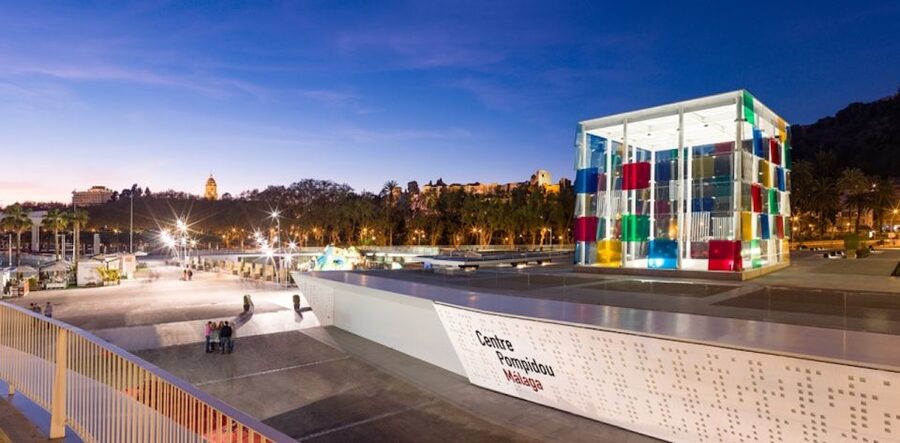
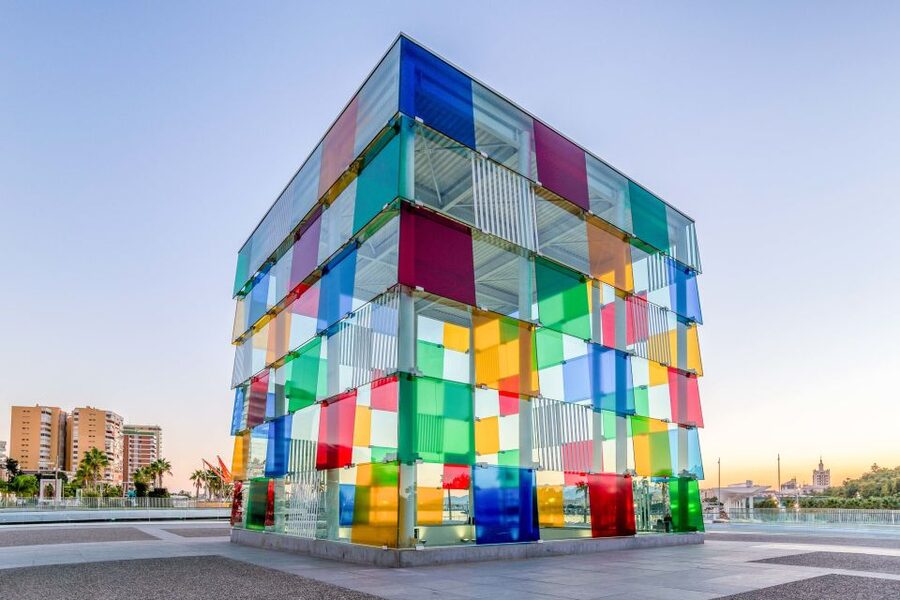
Centre Pompidou Málaga is housed in El Cubo, a striking glass structure in the port area. From the outside, it looks like a bold piece of modern design dropped right into the waterfront scene. Inside, that modern architectural mood carries over into how the galleries feel: light, readable, and built for you to move.
I like that this is Centre Pompidou’s only branch outside France. That alone makes it feel intentional, not like a random outpost. And because it opened to the public on March 28, 2015, it’s had time to settle into a strong rhythm of exhibitions and programming.
You’ll also notice the museum’s mission goes beyond static paintings. The Cubo is described as a living, participative installation, with workshops, training, and dissemination activities that build a creative community. You might not catch every program on your visit, but the vibe is there. It’s not just “look and leave,” it’s “look and connect.”
Ticket value: why this $10 entry makes sense
At about $10 per person, the best value here is what your ticket actually covers. You’re not just paying for one exhibition. Your admission includes:
- Access to the permanent collection
- Access to the temporary exhibition
- An audio guide (English, Spanish, Russian, French, Italian, German)
That combination matters in real life. Museums can be expensive, and audio guides often cost extra if they’re offered at all. Here, you get the audio support bundled with both exhibition types, which makes the ticket feel like a practical choice rather than a splurge.
Also, the ticket includes skip the line through a separate entrance. That’s not a small perk. Even when the museum isn’t chaotic, it’s the fastest way to start your visit, and it helps you use your time instead of burning it in queues.
What you’ll see in the permanent collection (and how to enjoy it)
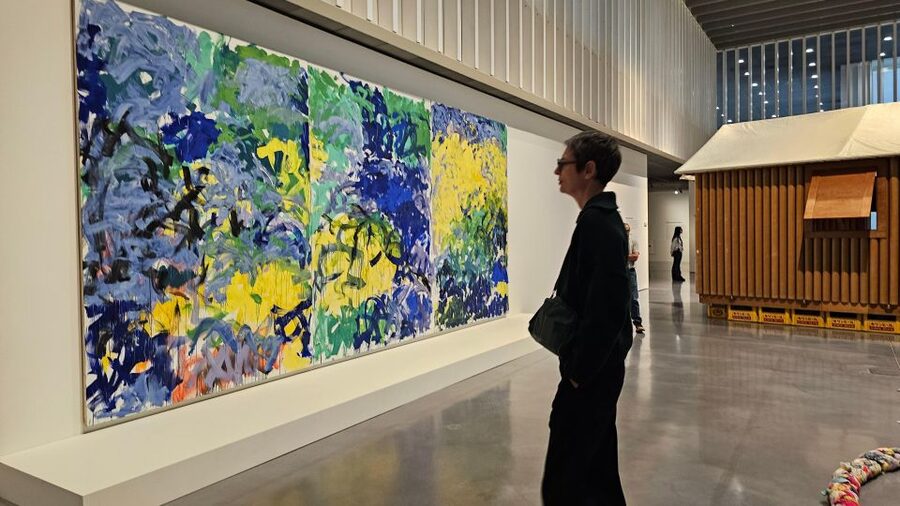
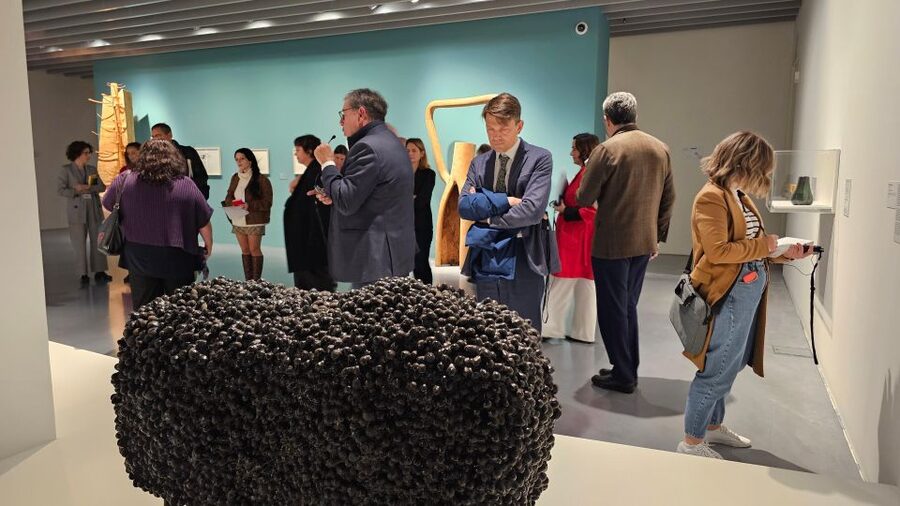
The permanent side of Centre Pompidou Málaga focuses on the art of the 20th and 21st centuries, with around seventy selected works drawn from its major collection. The museum frames this as a journey through modern and contemporary art, and it’s renewed every five semesters, with new selections and fresh ways of presenting the same overall ideas.
I find the permanent collection works best if you treat it like a set of conversations, not a checklist. Look for themes: distortion, identity, the human body, abstraction, and the way artists borrow and remix reality. The names tied to the collection give you a clue about what to expect, including Brâncuși, Giacometti, Bacon, and Picasso.
Because the museum is only covering selected works in a compact footprint, you get the feeling of a focused introduction. You’re not stuck for hours on end with hundreds of pieces. Instead, it’s more like you’re being taught how to look.
A note to manage expectations: one drawback that shows up for some people is that they want a larger permanent display. If you’re the type who needs lots of walls and lots of depth for each artist, you may still enjoy it, but you should plan to spend time in the temporary exhibition too, since that’s where the museum can feel extra alive.
Temporary exhibitions: where the visit can change the most
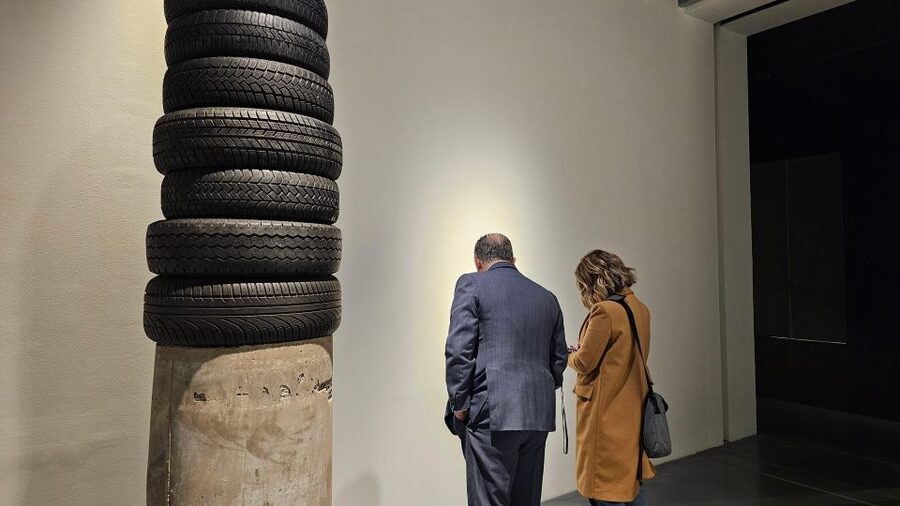
Your ticket also includes access to the temporary exhibition. The museum runs two to three temporary exhibitions worth exploring each year, and it pairs those with programming in different artistic disciplines like dance, representation, speech, and cinema.
In practice, the temporary show is often what makes you feel like you visited the museum “right now,” not just a museum in general. One exhibition highlighted in people’s experiences is the Sheila Hicks exhibit, which many found especially memorable. Even if you don’t know the name going in, exhibitions like that tend to give you a more physical, playful sense of what modern art can do.
My advice: when you start, don’t try to force the permanent collection and temporary exhibition into strict categories. Let the temporary show steer you. If the temporary exhibit is more experimental or tactile, your brain will read the permanent works differently once you return to them.
Using the included audio guide without getting frustrated
The audio guide is included, and it’s available in English, Spanish, Russian, French, Italian, and German. You’ll want to bring your own headphones, since the info you’re given specifically asks you to do so.
Here’s how I’d use it for maximum benefit. Start with just one or two rooms using the audio guide, then switch to looking without it for a short stretch. The museum is designed so you can still follow visual ideas without constant narration. That mix keeps the audio guide from becoming background noise.
One real caution: some rooms can make the audio guide harder to follow. So don’t plan on listening like you’re on a guided bus tour. Use the audio guide more like a set of optional pointers. When you stop at a piece, press play, listen to the key idea, then look again. Repeat. That’s when audio guides actually help instead of slowing you down.
If you’re visiting with kids or teens, the museum’s approach with mediation devices aimed at younger audiences can also be a plus, because it tends to make modern art less intimidating. You don’t need to read every label, but the audio support can help you find a doorway into the work.
Timing in Malaga port: plan your entry to avoid a rushed ending
This is where the museum becomes a lot more enjoyable. Your ticket is valid for 1 day, and you should check availability to see starting times. Also, last entry is 30 minutes before closing, so arriving late can cut off your chance to see everything you paid for.
I like to do this: arrive with enough time to finish the permanent collection first, then take your time in the temporary exhibition. That way, you’re not rushing at the end if a particular section pulls you in.
There’s also a Sunday strategy worth knowing. The museum is free every Sunday from 4:00 PM until closure. If your schedule allows it, this can be a great way to stretch your budget. It also tends to make the visit feel more like a casual evening plan rather than a paid mission.
Where the museum fits with your Malaga day
El Cubo and Centre Pompidou Málaga sit near the marina and not far from the beach zone. That location is practical because you can pair museum time with a slow walk afterward.
I’d treat this stop like a “balance act” in your Malaga itinerary. Spend an hour or two in the museum, then switch gears to sea air and people-watching. The modern art experience can be mentally demanding in a good way, and the waterfront setting gives you a natural decompress button.
Also, because this museum is compact and focused, it’s easier to fit into a day than bigger institutions that eat your entire schedule. If you want a strong cultural hit without turning your vacation into a schedule grid, this works.
Who should book this modern art ticket
Book this ticket if you:
- Love modern and contemporary art, especially when ideas are as important as aesthetics
- Want an introduction with big-name references like Brâncuși, Giacometti, Bacon, and Picasso
- Appreciate learning support, since the audio guide is included and multiple languages are available
- Prefer a museum visit that can be done without a marathon
Consider skipping or rethinking if you:
- Want mostly traditional art styles and less challenging visuals
- Need a huge permanent collection to feel satisfied
- Get irritated by audio guides that don’t match the room layout perfectly
Should you book Centre Pompidou Málaga?
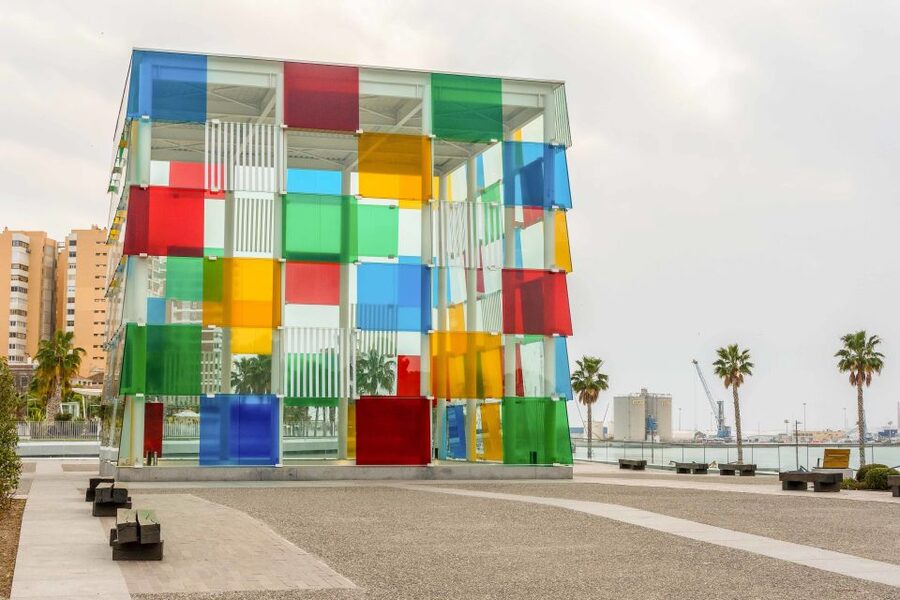
Yes, if you’re curious about modern art and you like the idea of a single ticket covering both permanent and temporary exhibitions plus an audio guide. At roughly $10, the value is strong, especially with skip-the-line entry that helps you start fast.
If you’re on the fence because contemporary art feels too abstract, try to go with a simple goal: pick one or two works to understand deeply, and let the rest be atmosphere. This museum’s strength is that it nudges you into a different way of looking, and El Cubo makes that shift feel real the moment you step inside.
FAQ
What is included in the Málaga Centre Pompidou ticket?
Your ticket includes access to the permanent collection, access to the temporary exhibition, and an audio guide.
Is there a skip-the-line entrance?
Yes. You get skip the line entry through a separate entrance.
How long is the ticket valid?
It’s valid for 1 day. You should check availability to see starting times.
Which languages are available for the audio guide?
The audio guide is included in English, Spanish, Russian, French, Italian, and German.
Do I need to bring headphones?
Yes. The instructions say to bring headphones.
What ID should I bring?
Bring a passport or ID card.
Is there a free entry day?
The museum is free every Sunday from 4:00 PM until closure.
What is the last entry time?
Last entry is 30 minutes before closing.
Is the museum wheelchair accessible?
Yes, the museum is wheelchair accessible.
Málaga Tours, compared.
 ★ 4.8Caminito del Rey Guided Tour with TransportationFrom $6912,183 reviews
 ★ 4.7From Málaga & Costa del Sol: Caminito del Rey Guided TourFrom $677,488 reviews
 ★ 4.8Alcazaba and Roman Theatre Guided Tour With EntryFrom $145,792 reviews
 ★ 4.4Gibraltar TourFrom $384,483 reviews
 ★ 4.7Teatro Flamenco Malaga Live Flamenco ShowFrom $344,254 reviews
 ★ 4.6Ronda+Setenil de las Bodegas with Little TrainFrom $344,115 reviews
 ★ 4.6Full-Day Trip to GibraltarFrom $353,516 reviews
 ★ 4.6Granada Full-Day Trip with AlhambraFrom $1283,235 reviews