
REVIEW · MáLAGA TOURS
Historical Centre and Cathedral of Málaga
Málaga Cathedral has a face you remember. This guided walk centers on the lopsided façade called La Manquita, then treats you to an interior full of Gothic, Renaissance, and Baroque surprises. I like that the visit is focused and practical, with the Cathedral ticket included, but you should know the experience can feel a bit rushed, especially if your guide’s English is hard to follow.
I also like that it is a small group, capped at 30 people, so you do not feel like you are shouting across a crowd. And since Malaga is fairly flat, the pace works for most people who can handle a guided walking format for a short time, with a return to the start.
One caution: the route and emphasis can vary by guide, and some guests felt the bigger story they expected did not get enough time, so if you care about specific topics beyond the Cathedral, plan to ask your guide direct questions.
Key Highlights Worth Your Time
- La Manquita nickname: the uneven twin towers and the story behind the look
- Ticket included: you get entry to Málaga Cathedral as part of the tour
- Art in multiple styles: Gothic, Renaissance, and Baroque in one stop
- Prime central photo and stroll spots: Plaza de la Constitución and the Picasso area
- Small group limit: up to 30 people, usually easier to hear and move with
More of the city, from the port up to Gibralfaro
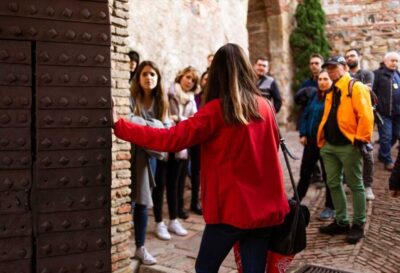
- Málaga: Alcazaba and Roman Theatre Guided Tour With Entry★ 4.8 · 5,792 reviews
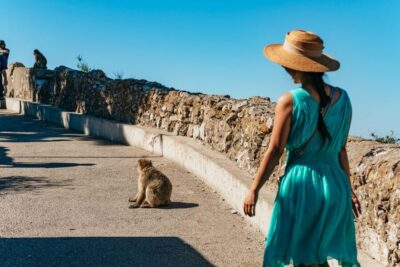
- From Malaga and Costa del Sol: Gibraltar Tour★ 4.4 · 4,483 reviews
- Malaga: Teatro Flamenco Malaga Live Flamenco Show★ 4.7 · 4,254 reviews
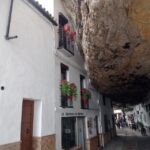
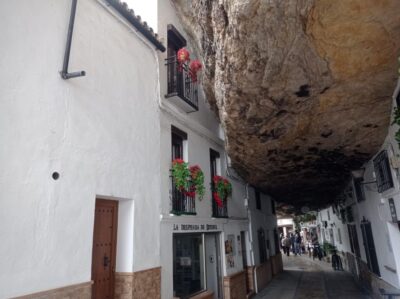
- From Málaga: Ronda+Setenil de las Bodegas with Little Train★ 4.6 · 4,115 reviews
Getting Oriented at the Start Point (and Why It Matters)
This tour is built for a first pass at Málaga’s center. You meet at Pirámide de Cristal on C/ Alcazabilla, at 12:15 pm, and you end back near the same spot. That matters more than it sounds. When you return to the same starting area, you can keep exploring on your own afterward without figuring out a new transit plan.
The meeting location is also near public transportation, which is useful because Málaga is a city where you will likely mix walking with buses or short taxi rides. And because the tour lasts around two hours on paper, you want a start that does not waste time.
The walk itself is not described as strenuous. A few people point out that the city is fairly flat, which helps. Still, this is a guided city walk. You will be on your feet enough to need comfortable shoes, especially if you combine this with lunch afterward.
One practical note: the group is limited to 30 travelers. Smaller groups usually mean the guide can actually keep everyone together and you can hear more than you would in a huge crowd. If you are near the front half of your group at the start, you typically do better when questions come up.
The Cathedral’s Lopsided Facade, La Manquita
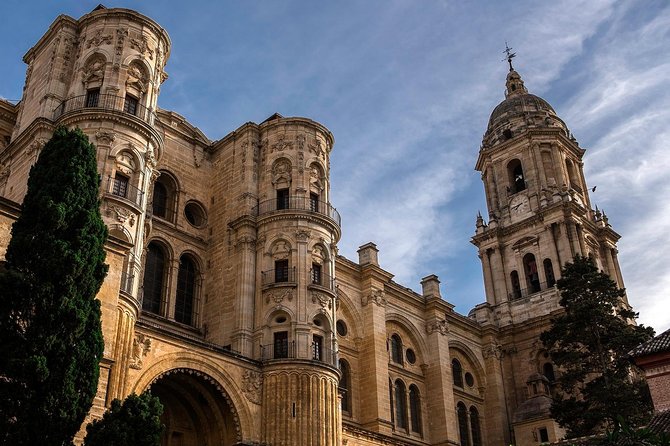
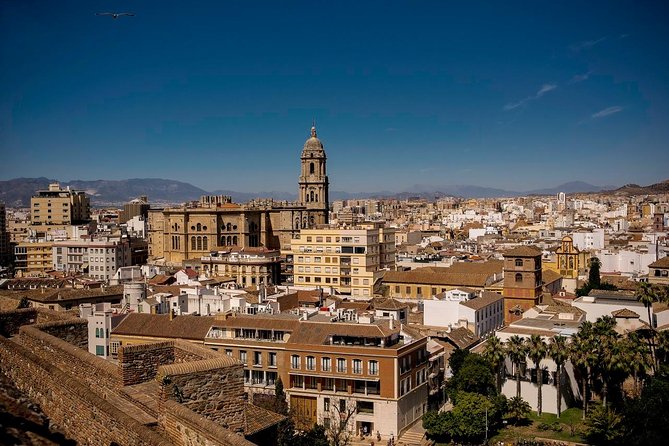
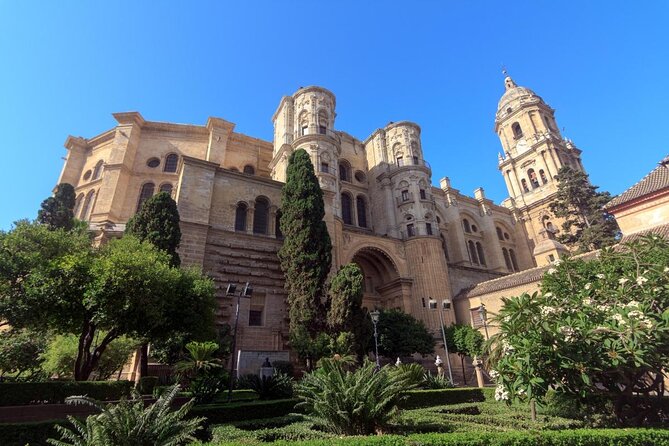
The first thing you notice is the façade. Two bell towers sit at different heights, which gives Málaga Cathedral its nickname, La Manquita, or One-Armed Lady. It is the kind of detail you would miss if you walked past quickly, but on this tour it becomes the opening scene of the whole story.
I love how this kind of “small visual clue” pulls you into the building’s bigger meaning. The Cathedral is not just a pretty interior stop. The outside tells you that this place has been shaped over time, through changes, repairs, and human decisions. That sets the tone for the rest of what you hear inside.
From a value standpoint, this is also smart. Many guided tours spend 30 minutes waiting for people to filter into the main highlight. Here, you walk up and get an immediate payoff. Even if you only catch the basics of the explanation, you still walk away understanding why the Cathedral looks the way it does.
Inside Málaga Cathedral: Gothic, Renaissance, Baroque
Once you step into the basilica, the tour shifts from the Cathedral as a landmark to the Cathedral as a mini museum. You are guided through artwork and details across multiple styles, specifically Gothic, Renaissance, and Baroque.
This is one of the biggest reasons I think this tour works for many visitors. Málaga is layered, but people often feel like they need to pick one theme and commit. Here, you get a blend of styles without having to be an art historian. You can walk in with zero background and still come out with a mental map of what you saw.
You will also be pointed toward major interior features. The high altar is described as magnificent, and the choir stalls are called out as standout elements. When guides point to these, it keeps the visit from turning into a generic wander. Instead of “look at this, look at that,” you get a guided route that makes you notice the right things.
A small reminder for your expectations: the tour focuses heavily on the Cathedral interior. If you were hoping for a Cathedral plus a deep Roman archaeology lesson, you might find the balance is more Cathedral-forward than other tours. That is not necessarily bad. It is just the way this experience is packaged.
Other Malaga bookings on the same list


The High Altar and the Elephant Skin Story

The most memorable kind of Cathedral detail is usually the weird one you cannot forget. In this case, you get a story about a piece that is said to have been painted on elephant skin.
Even if you are the type who double-checks every claim, you will likely still enjoy the way this story connects art, legend, and the culture around religious masterpieces. It adds character to what could have been a purely visual stop. It turns the interior into conversation, not just scenery.
This is also where a good guide matters. If your guide has clear pacing and decent English, you can follow the narrative threads. If communication is rough, you still see the Cathedral details, but you may miss the context that turns the visit from pretty to meaningful.
So here is my practical tip: when you hear a surprising detail like the elephant skin claim, do not be shy about leaning in. Stand closer when the guide starts that story. If you stay far back, this is exactly the kind of colorful moment that tends to get lost.
Picasso Foundation and Plaza de la Constitución: Central Stops You Can Use
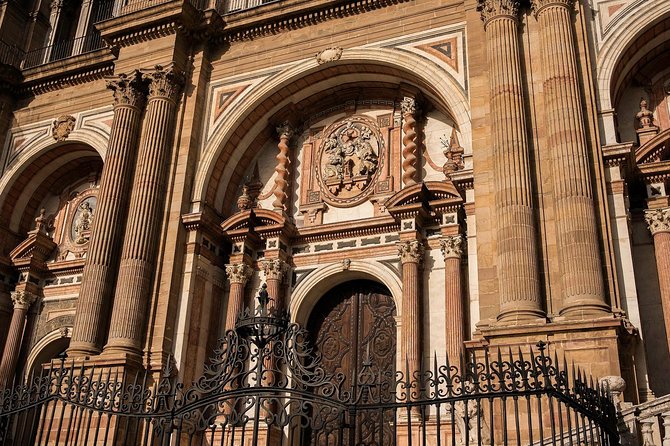
After the Cathedral, the tour threads through Málaga’s historic center toward key spots such as the Picasso Foundation area and Plaza de la Constitución. These stops are less about ticketed museum time and more about helping you get a handle on where things sit in the city.
Plaza de la Constitución is the kind of place that gives you an instant sense of Málaga’s street life. Even if you only spend a short time there during the guided portion, it helps you orient yourself for later. If you want to come back for a longer look at cafes, viewpoints, or nearby streets, you will know exactly where you are.
The mention of the Picasso Foundation area also gives you a hint about Málaga’s identity. Málaga is not just a beach stop. It is a city tied to art, and even a brief guided pass through the Picasso-connected area can help you feel that side of town.
One caution: because this experience is time-limited, these city-center points can feel like photo and orientation stops. That is normal. You are not buying a full museum day here. You are buying a guided introduction where the Cathedral interior remains the main attraction.
Time, Timing, and the Two-Hour Expectation
The tour is listed as about 2 hours. The Cathedral stop alone is around 1 hour with the admission ticket included. That should put you in the right mental frame. Half of your time is essentially Cathedral time, and the other half is for moving through the historic center and hitting the key landmarks.
Still, some people found it felt rushed and shorter than expected. So I would treat the two-hour mark as a best-case planning target, not a promise. If your schedule is tight, build in a buffer.
This also explains why hearing quality matters. When a guide tries to cover too much in too little time, it can lead to shorter explanations or skipped details. And when you only catch fragments, you feel like you paid for a story you never got.
If you want to maximize what you get, arrive a few minutes early at the meeting point and be ready to move. It sounds obvious, but it helps the guide keep the momentum and helps you stay engaged.
Price and Value: Why $24.87 Can Make Sense
At $24.87 per person, the value depends on what you care about.
The big value driver is that the Cathedral admission ticket is included. In many cities, Cathedral entry is not free, and having it handled as part of a guided package can save hassle. The other value driver is the guide. You are not just walking into a big building and reading a plaque. You are getting interpretation of what you are looking at, including stories behind the architecture and specific art details.
Where the value can slip is when the tour becomes mostly a guided skip through the Cathedral with limited time for the broader city narrative. If you expected a wider set of sites with matching depth, you may feel disappointed. This is the main reason I suggest checking what is emphasized in your specific booking details and being honest with yourself about what you want most.
If your priority is the Cathedral interior and you also want a quick sense of where Plaza de la Constitución and the Picasso-connected area fit into the city, then this price can feel fair. If your priority is a long, multi-site day with lots of Roman or fortress-level context, you might want a different format.
What the Guide Experience Can Look Like (and How You Can Help It)
I learned to treat guide quality as part of the product. Most guides are professionals, but communication can still vary.
Some guests reported difficulty communicating due to weaker English and feeling rushed. Others were happy with an informative guide and clear explanations. One name that stands out for great storytelling is Patricia, specifically mentioned as sharing interesting information.
If you are booking this because you really want to understand the Cathedral details, do yourself a favor and arrive ready to focus. Stand where you can hear. Ask one direct question early, like what detail the guide wants you to notice first in the high altar area. If you ask early, you also signal that you are actively participating, which can nudge a good guide to slow down a touch.
If you care about specific topics beyond the Cathedral, do not assume they will be covered. If your guide mentions Roman colossus topics in passing but does not fully explain them, you can politely ask for clarification. You do not need a lecture, just the story you came for.
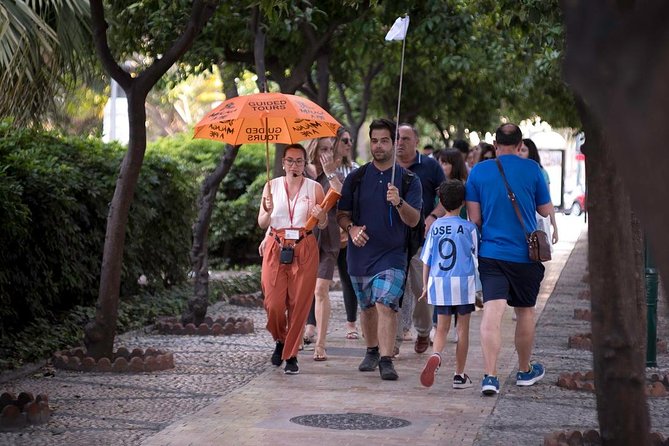
And if you have trouble finding the guide, plan extra time at the meeting point. One issue that came up was confusion locating the guide, with people referencing what guides from nearby companies looked like. You can protect yourself by being early, checking the instructions on your confirmation, and using obvious guide identifiers like a company name or umbrella.
Who This Tour Suits Best (and Who Might Prefer Something Else)
This tour is a strong match if you want:
- A focused Cathedral experience with an included ticket
- A guided explanation of major features like the high altar and choir stalls
- A quick orientation through central Málaga, including Plaza de la Constitución and the Picasso-connected area
- A short walk that fits into a tight schedule without a full day commitment
It may be less ideal if you want:
- A big, multi-site archaeological itinerary with lots of time at each location
- A slow-paced, deeply detailed lecture on every era represented in Málaga
- Perfect audio regardless of language clarity, since guide English quality can vary
Language is English for this specific tour, though it may be operated by a multi-lingual guide. If hearing a guide in English is crucial to you, position yourself toward the front.
Should You Book This Malaga Cathedral Tour?
I would book it if your top priority is Málaga Cathedral, especially if you are curious about the La Manquita façade and you want someone to point out the high altar, choir stalls, and the story-driven details that turn an interior visit into something you remember.
Skip it or look for a different option if you know you want lots of time beyond the Cathedral, or if your schedule cannot handle a potentially rushed feel. Also, if you care about other specific sites, confirm exactly what is included in your version of the tour before you pay.
If you do book, show up early, get near the front, and treat it as a smart way to understand the Cathedral plus a quick snapshot of Málaga’s central layout. Then go explore on your own with that orientation in your pocket.
FAQ
What is the duration of the tour?
The tour is about 2 hours.
What time does the tour start?
The start time listed is 12:15 pm.
Where does the tour start?
It starts at Pirámide de Cristal, C/ Alcazabilla, 4, 6, Distrito Centro, 29015 Málaga, Spain.
Is a mobile ticket provided?
Yes, it’s a mobile ticket.
What language is the tour offered in?
The tour is offered in English.
Is entry to Málaga Cathedral included?
Yes, the admission ticket for the Cathedral is included.
What’s included in the price?
A professional guide and a local guide are included.
What is not included?
Food and drinks, hotel pickup, and hotel drop-off are not included.
What is the group size limit?
The maximum group size is 30 travelers.
Can I cancel for free?
Yes. You can cancel up to 24 hours in advance for a full refund.
The Older Layers of Malaga



More Tour Reviews in Malaga



Malaga, Three More Ways
Fresh on the Malaga list


Málaga Tours, compared.
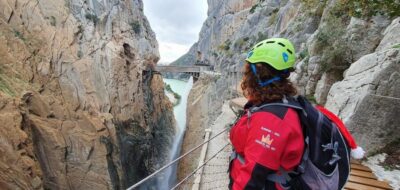 ★ 4.8Caminito del Rey Guided Tour with TransportationFrom $6912,183 reviews
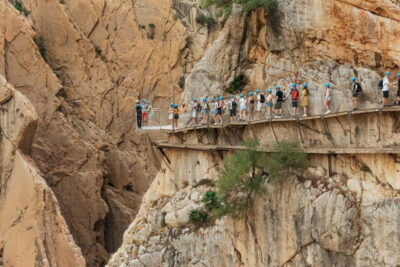 ★ 4.7From Málaga & Costa del Sol: Caminito del Rey Guided TourFrom $677,488 reviews
 ★ 4.8Alcazaba and Roman Theatre Guided Tour With EntryFrom $145,792 reviews
 ★ 4.4Gibraltar TourFrom $384,483 reviews
 ★ 4.7Teatro Flamenco Malaga Live Flamenco ShowFrom $344,254 reviews
 ★ 4.6Ronda+Setenil de las Bodegas with Little TrainFrom $344,115 reviews
 ★ 4.6Full-Day Trip to GibraltarFrom $353,516 reviews
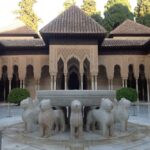
 ★ 4.6Granada Full-Day Trip with AlhambraFrom $1283,235 reviews
Browse the lists this tour appears in