
REVIEW · PAELLA COOKING CLASSES
Chefcooking Paella from our Andalusian Grandmother at a Family Farm
Paella and sangria at a family farm, pure comfort. You spend about 4 hours with Farm Las Marías, learning the Abuela Andaluza paella method while tasting the meal as it builds. I love how the cooking stays practical, and I love that the food is tied to real farm life, not just a script.
One thing to consider: the experience happens in a small, working kitchen, so if your group ends up feeling a bit tight, you might notice it in portions or how fast courses come out.
Key highlights you should care about
- Abuela Andaluza paella, explained step by step so you can recreate it later
- Sangria made with local wine plus orchard citrus, served right when you arrive
- Starters built from sea, farm, and mountains, including steamed mussels and cured cheeses
- Farm storytelling with real names and local context, led by hosts like María José and Rafael
- Options for vegetarian meals and diet needs, with adaptations offered if you tell them your restriction
Still deciding? A few more Marbella trips in the same bracket.
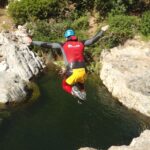
- From Marbella: Guadalmina River Guided Canyoning Adventure★ 4.9 · 1,486 reviews
- Marbella: Sailing & Dolphin Watching with Snacks and Drinks★ 4.7 · 1,062 reviews
- Natural Parck Jeep Eco Tour from Costa del Sol★ 5.0 · 662 reviews
- Dolphin Watching Adventure in Estepona Bay★ 4.5 · 626 reviews
Getting to Las Marías Farm, and why the small group matters
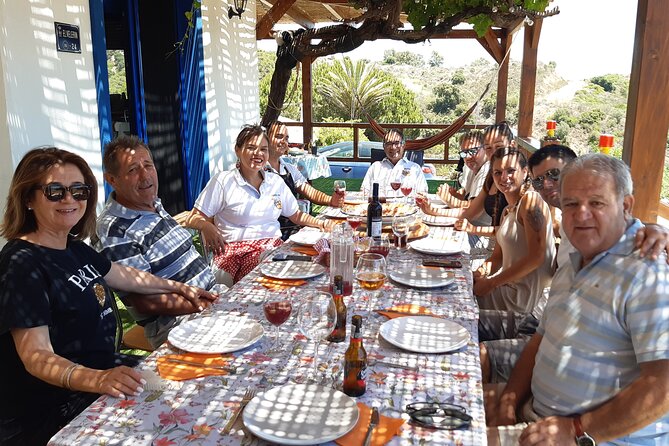
You meet at Las Marías (Cam. Nicola, km 1, 1, 29689 Estepona, Málaga). The start time is 1:00 pm, and the whole thing is designed to feel like a family dinner that happens to teach you something. There’s a mobile ticket, and the experience is offered in English.
The big advantage is the scale. This is set up for a maximum of 4 travelers, which means less time waiting and more time getting answers while you’re cooking. One review also mentioned hosts like María José, Anita, and Rafael, and that “open the home” feeling is part of the point here.
There is one tradeoff to keep in mind. With a small setting, everything depends on timing and flow. If you’re the kind of person who needs lots of space to move around, this might feel cozy rather than spacious.
Sangria welcome, plus the starter table that sets the pace
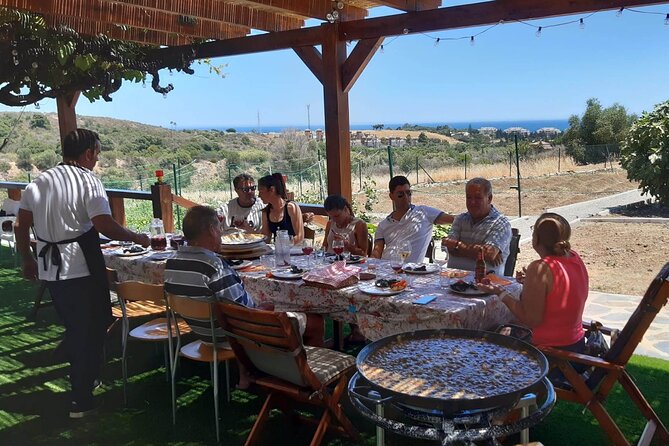
The meal starts with a welcome drink: sangria made with locally produced wine and fruit, plus citrus from their orchard harvest. It is the kind of start that gets you in a relaxed mood fast, and it also signals the theme of the afternoon: local ingredients, farm-to-table thinking, and Andalusian comfort food.
Then comes the starter run. You’ll have typical local producers’ items, including:
- Steamed mussels
- Fresh and cured cheeses
- Olives
- Ham and Iberian sausages
- Artisanal breads
This is a smart order. It gets seafood and cured meats on the table early, so when the paella moment arrives, your palate is already tuned to salty, briny flavors. Plus, it gives you a chance to spot what you like most before you commit to your paella style (seafood, meat, or vegetarian).
Another detail I really liked in the setup: bottled water extracted from their deep well, noted as high in magnesium and minerals. It’s a small thing, but it makes the meal feel intentional, not just “drink provided because tours do that.”
The Abuela Andaluza paella lesson, the part you’ll remember
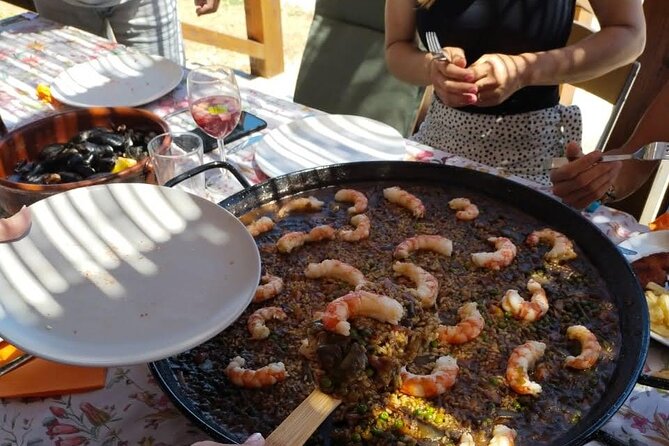
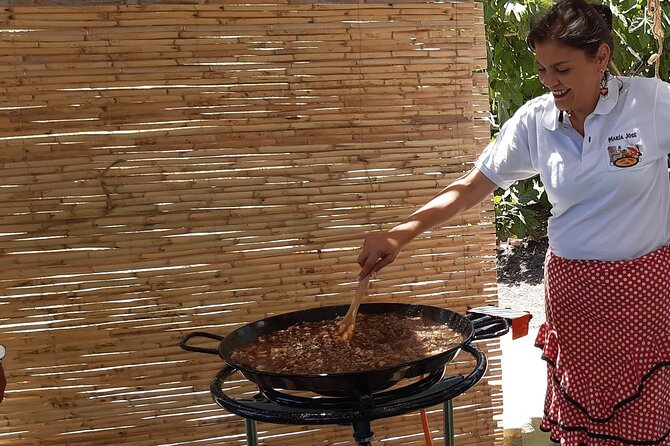
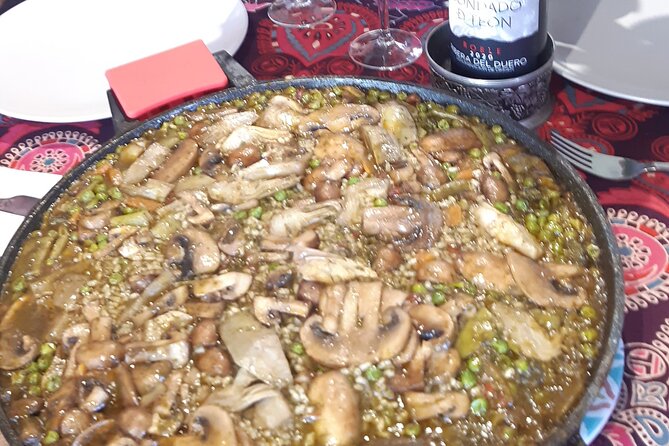
Paella can look easy on TV. In real life, it’s technical: heat control, timing, and getting the right foundation for the rice. Here, you get a practical demonstration of the typical paella of the Andalusian grandmother, and you learn the story behind it while you taste along the way.
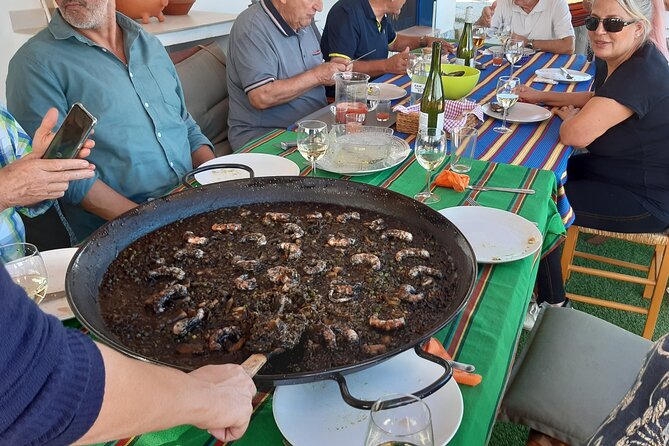
You also participate in the preparation of Paella de la Abuela Andaluza, using fresh products coming from different sources: the sea (from a local market), the mountains, and the garden. That mix matters because paella is really about balance. Seafood paella needs a different rhythm than meat-based versions, and the vegetarian option still has to feel full and grounded.
What makes the lesson valuable is that it is both history and method. Hosts explain the recipe step by step and connect it to local traditions, then you get to eat what you’re working on. One review called out how technical paella is, and how careful the hosts were with explanations, which is exactly what you want when you’re trying to learn beyond imitation.
A small practical tip for your takeaway: treat this like a recipe-writing moment, not only a cooking show. When you get your recipe book later, you’ll get more out of it if you already know which part you want to repeat at home: the base flavor, the seafood addition timing, or how they guide the rice.


The farm tour: sea views, Sierra Bermeja, and farmer stories
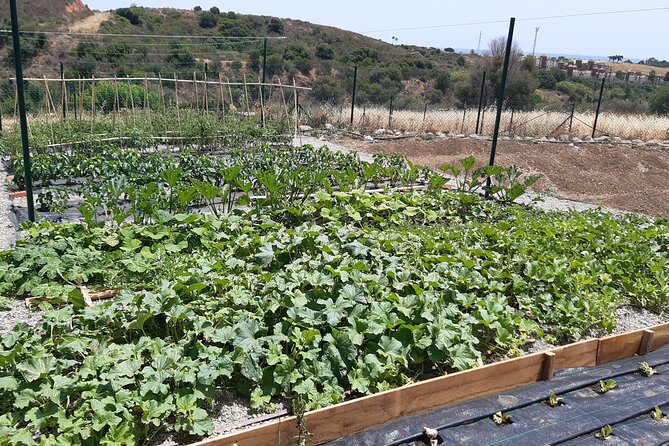
After the food mood sets in, you shift gears to the farm itself. You’ll tour with a backdrop that includes the Mediterranean Sea and the Sierra Bermeja. The setting helps you understand why this kind of cooking makes sense here. Ingredients are not random, they are chosen based on what the land and region can regularly supply.
During the walk, you’ll hear the story of the farmers in the area. Even if you’re not a big “heritage talk” person, I think it lands well in a place like this because it ties directly to food choices you just tasted. Mussels and market seafood are not just “for paella,” they connect back to how local families work and adapt.
One review even highlighted how good the hosts were at answering questions, including about both cooking and the farm history. That Q and A energy is part of the value here, because you can clarify details like ingredient swaps for your home kitchen.
Coffee and dessert: how they close the meal
The last third of the experience is the sweet landing. After paella and dessert, you get Colombian coffee with a traditional cake. The coffee choice is a nice contrast to Spanish flavors, and it gives you a final pause to digest and chat.
Dessert includes traditional Estepona desserts and locally produced artisan pastries. In one instance, a group described coffee and pastries served during rain, which tells me they handle less-than-ideal weather with a calm, “we’ll keep going” approach. That said, the experience is described as requiring good weather, and if conditions are poor, you may be offered a different date or a refund.
If you like meals that feel like a full afternoon, this closing matters. Many cooking classes end with a quick snack. Here, the final pairing of coffee plus cake makes the whole 4-hour block feel complete.
Diet needs, vegetarian paella, and allergy handling
If you have dietary restrictions, this is one of the smoother options in the Marbella area because vegetarian options are available, and they say they can adapt to any dietary restriction or allergy you tell them.
That is important with paella. A vegetarian version can easily become bland if the foundation is weak. The best version still tastes like it has seafood or meat depth, often through careful base flavor, vegetables, and seasoning. You should ask how they build their vegetarian paella when you book, especially if you avoid seafood, gluten, or dairy.
Also, alcohol is part of the experience, but only for people over 18 years old. Non-alcoholic drinks are included too, so you are not “stuck” if you prefer to stay sober and still enjoy the meal.
Price and what you actually get for $138.17
At $138.17 per person for about 4 hours, you are paying for more than cooking instruction. You’re paying for:
- Lunch with paella (seafood, meat, or vegetarian) made with fresh regional inputs
- Starters and dessert
- Drinks, including soda/pop and water
- Alcoholic beverages such as sangria, plus wines, beer, and shots (for adults)
- Coffee and/or tea at the end
- A recipe book of their preparations
This is why I think the price can feel fair. If you tried to replicate this on your own, you’d likely spend similar money for a restaurant meal plus drinks, and you’d still miss the hands-on method and the family context.
The only clear cost not covered is private transportation. So factor in how you’ll get there from where you’re staying in Marbella. If you’re already planning a short hop toward Estepona, the logistics can be painless.
One more value note: reviews were extremely positive overall, with a 4.9 rating and most recommendations. That doesn’t mean you won’t have a tight moment in a small space, but it does suggest the hosts consistently hit the mark on food quality and welcome.
Small-group vibe: what to expect from the table
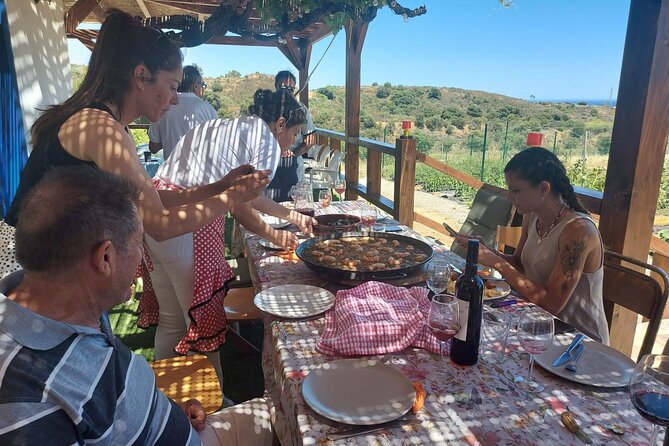
This experience is set for a maximum of 4 travelers, so you’re usually not stuck in a noisy crowd. The vibe is “share the afternoon.” Reviews repeatedly described the hosts as welcoming and friendly, with a family-home feel, and that lines up with the meal structure: starters, then cooking, then paella, then dessert and coffee.
What you can do to make it smoother:
- Arrive a bit early so you settle in before the first drink
- Be ready to ask questions during the paella process
- Tell them your diet needs upfront so they can plan the right paella style
If you are traveling with kids, the lesson format can be a fun way to get everyone involved. Just remember the room is working-space small, so you may prefer bringing patience and not expecting a wide-open cooking demo stage.
Should you book Farm Las Marías for paella with the Andalusian grandmother?
I’d book it if you want a half-day that mixes food, cooking technique, and local farm storytelling in one setting. This is a good fit for people who learn best by doing, and for anyone who loves seafood flavors, cured meats, and that classic Andalusian paella feel.
Skip it if you need a large, airy group experience, or if you want a strictly hands-off class where you watch from afar. This is more intimate than that, and the value comes from closeness to the cooking and the conversation.
If you’re in Marbella for culture plus a real meal, this is the kind of afternoon that gives you both a full belly and a usable recipe you can try later. For a small-group paella lesson with sangria welcome, fresh regional ingredients, and a take-home recipe book, it’s a strong choice.
More Tour Reviews in Marbella




Fresh on the Marbella list


Paella Cooking Classes, compared.
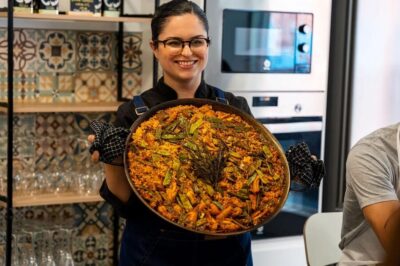 ★ 4.9Spanish Cooking Workshop with Paella and SangriaFrom $78613 reviews
 ★ 4.1Sailing Catamaran with Swimming and Paella LunchFrom $53578 reviews
 ★ 5.0Paella Cooking Class in MalagaFrom $84209 reviews
 ★ 5.0Paella Cooking Class with English Guide in MalagaFrom $84149 reviews
 ★ 5.0Paella and Sangria Workshop in MalagaFrom $84108 reviews
 ★ 4.5Paella and Tapas Tour with The Best Flamenco ShowFrom $10878 reviews
 ★ 4.03-Hours Catamaran Tour in Malaga with PaellaFrom $5477 reviews
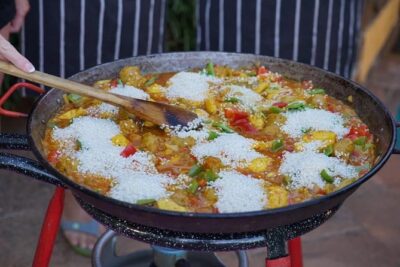 ★ 5.0Paella & Arroz Course in the Breathtaking Montes de MalagaFrom $16249 reviews
Browse the lists this tour appears in