
REVIEW · ANTEQUERA & EL TORCAL TOURS
Antequera Monumental with entrance tickets to dolmens and town
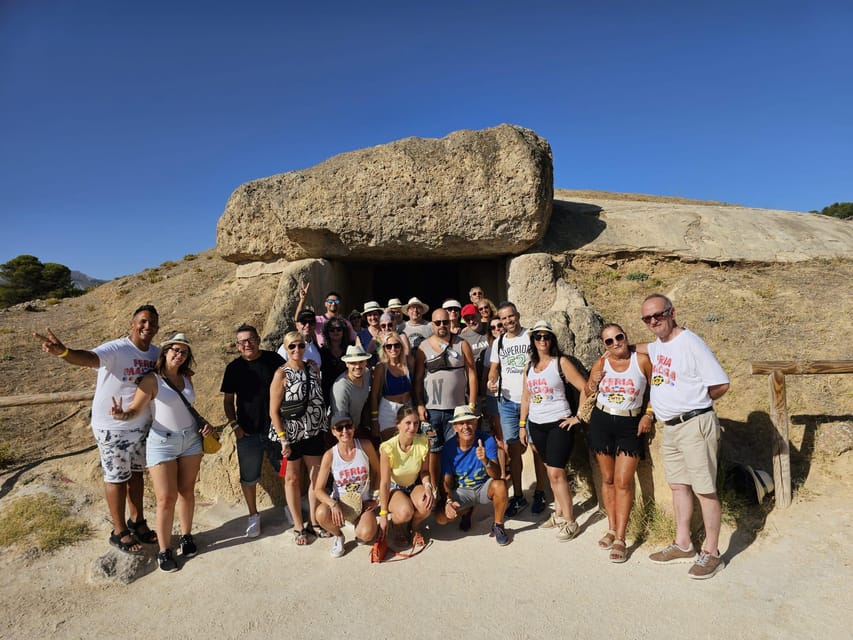
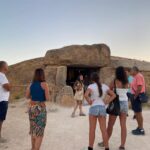
One morning in Antequera, time turns prehistoric. The tour starts at the UNESCO dolmens of Menga and Viera, where you not only see the stones, you get context for why this place mattered so much thousands of years ago. You’ll get an introduction to the site, then step into the mortuary galleries that make the whole megalith thing feel real, not just impressive on a postcard.
I especially like how the second half turns into an easy walking route through the historic center, with stop-by-stop guidance at major landmarks. You’ll go into the church of San Sebastian, cross the Arch of the Giants toward the Alcazaba area, and end with a visit that includes the Roman baths. One practical drawback to plan for: after the dolmens part, you’ll need to head to Plaza del Coso Viejo on your own, so keep your bearings and don’t assume a private van will pick you up between phases.
Key Things I’d Mark on Your Mental Map
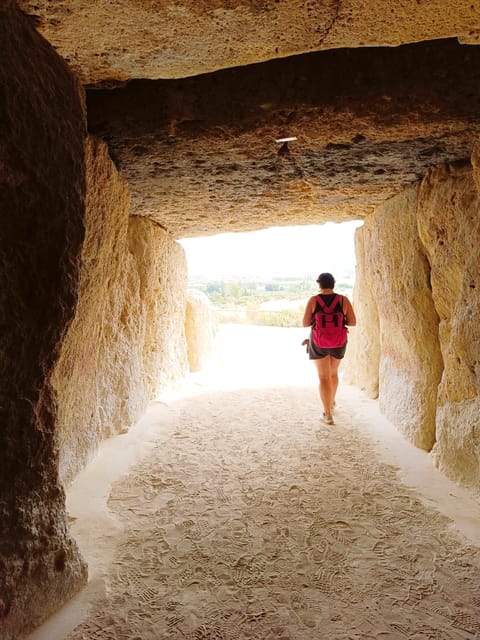
- Mortuary galleries at Menga and Viera, not just an outdoor look at giant rocks
- Archaeological museum intro, so the dolmens make sense as a single story
- San Sebastian church, with details explained instead of passively admired
- Arch of the Giants to the Alcazaba area, great for photos and orientation
- Roman baths, an unexpected classical layer in a town known for prehistoric monuments
Still deciding? A few more Antequera trips in the same bracket.
- Antequera: Dolmens and El Torcal Tour with Transfer★ 4.8 · 124 reviews
- Guided tour of the Dolmens and El Torcal★ 5.0 · 94 reviews
- Málaga: Dolmens and El Torcal de Antequera Guided Day Trip★ 4.6 · 80 reviews
- Guided visit to the dolmens of Antequera★ 4.3 · 37 reviews
Price and Time: When $31 Feels Like a Deal
This is a 3 hour, one-day style tour priced around $31 per person. For that, you’re not just paying for a walk. You’re paying for guided access to the dolmens area, an archaeological museum visit, and guided entry to specific sights in town, including the church of San Sebastian and the Roman baths.
The value here is the combination. Many tours do either “prehistoric big stones” or “pretty old town.” This one stitches both together with a guide, which is exactly what you want if you’re short on time and don’t want to spend your day bouncing between websites and ticket counters.
That said, you’ll get the most out of it if you’re comfortable with a split format. The dolmens portion is guided, then you continue to the next meeting area yourself. If you prefer a fully escorted loop with no in-between movement, plan for a bit more self-management.
Starting at the Dolmens Site Museum, Then Into Menga and Viera
You meet your guide at the reception of the Conjunto Arqueológico Dólmenes de Antequera. That matters because the tour starts with tickets and a short introduction at the museum, so you’re not walking into the site cold.
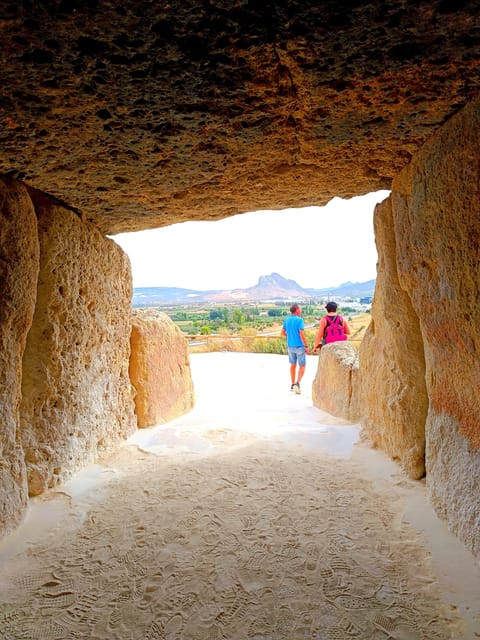
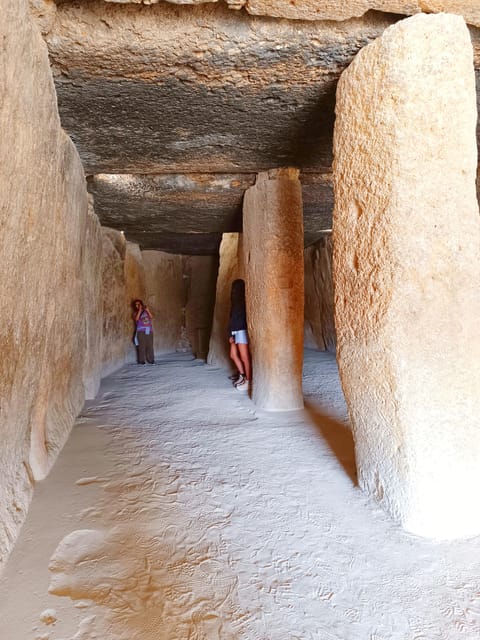
From there, you move into the mortuary galleries of the dolmens of Menga and Viera. The main idea is simple: these are UNESCO listed dolmens built as a kind of necropolis, with use stretching back over thousands of years. The guide’s job is to help you understand the logic of the space. Why a monument like this here, why the design, and what the galleries were for.
One detail I think you’ll notice fast is how different “seeing” is when you can stand inside. Even if you’re not a stone archaeologist, the scale starts to hit. The tour is timed so you can appreciate what you’re looking at without getting stuck in a long lecture. And because the galleries are part of the experience, you’ll come away with a stronger mental image than if you’d only viewed the exteriors from outside the walls.
Museum Context You’ll Actually Use Later in Town
After tickets, the tour’s museum intro is meant to set you up for the dolmens visit. That’s a smart use of time. Without it, megalithic monuments can blur together into “big structures, long ago.” With it, you start connecting the dots before you move on.
You’ll learn about the necropolis idea, and why the people who built these structures decided to anchor their world here. The guide also helps explain the practical and symbolic sides of the monuments, which is what turns a sightseeing stop into a meaningful one.
If your Spanish is basic, don’t panic. The tour is Spanish with content sometimes shown in the original language, but the visuals and the spatial explanations go a long way. You can still follow along if you watch your guide’s pointing, because these sites are built to be understood by looking, not just listening.
Plaza del Coso Viejo to Plaza de San Sebastian, The Old Core Walk
Once the dolmens visit wraps up, everyone moves to the historic center, and specifically to Plaza del Coso Viejo. This is where the tour splits into a self-transfer moment, then returns to guided walking.
Walking from Plaza del Coso Viejo is a good transition. You go from prehistoric burial space to a town square where modern Antequera life has always happened. The tour notes an equestrian sculpture in Plaza del Coso Viejo as a key landmark. Treat that sculpture like your north star. Once you’re in the square, you’ll be able to re-orient quickly before you keep moving.
From there, the route takes you toward Plaza de San Sebastian, described as the center of Andalusian roads. That’s a useful phrase because it hints at what you’re really doing. You’re learning how Antequera’s streets connect, and how people have moved through the town for centuries.
At Plaza de San Sebastian, you enter the church of San Sebastian. The point isn’t just that it’s pretty. The tour focuses on the church’s details and history, so you can look at what’s in front of you and understand why it’s there. If churches are your thing, this stop is one of the most rewarding in the day.
Up Town Views: White Houses, Narrow Streets, and the Arch of the Giants
After San Sebastian, you head toward the upper town. This is the part you’ll feel in your legs, but it’s also where Antequera’s charm shows up in a very practical way: views.
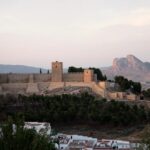
From the viewpoints, you’ll see churches rising among white houses, plus historical monuments and narrow streets. That view context makes the later landmarks easier to understand. It’s much simpler to grasp where the Alcazaba and surrounding walls sit when you’ve already been looking out over the city.
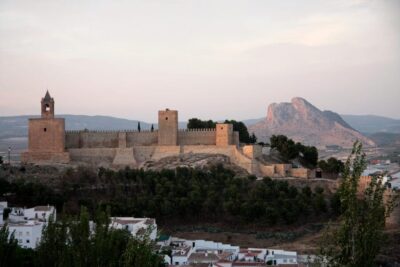
Then comes the Arch of the Giants. Crossing it is more than a photo moment. It acts like a gateway from the town’s street level into the Alcazaba area. Think of it as a visual transition, like the town saying, now look at the defensive, historical layer.
The guide helps connect what you see with what it used to mean. That’s why guided walking works here. Left to your own devices, you might still take great pictures, but you would miss the “why this spot, why this structure” element.
Alcazaba Area, Santa Maria la Mayor, and the Roman Baths
From the Alcazaba area, you get access and guidance tied to two major historical layers.
First, the tour includes the Royal Collegiate Church of Santa Maria la Mayor. It’s a key monument in the area, and the guided portion helps you notice the right things while you’re inside, instead of spending the visit guessing what matters.
Second, you visit the Roman baths. This is where the day gets delightfully surprising. Antequera can be easy to categorize as either prehistoric or old Andalusian town. Roman remains complicate that story in a good way. You’ll come away thinking of the town as a long-running stage where different eras left physical marks.
A quick tip for your brain: don’t treat the baths as just “ruins you look at.” Use your guide’s pointers to see how the baths fit into the same town you’re walking through. Once you understand that connection, the Roman portion starts to feel less like a random add-on.
The Walk to the Walls and the Finish at the Old Bullring
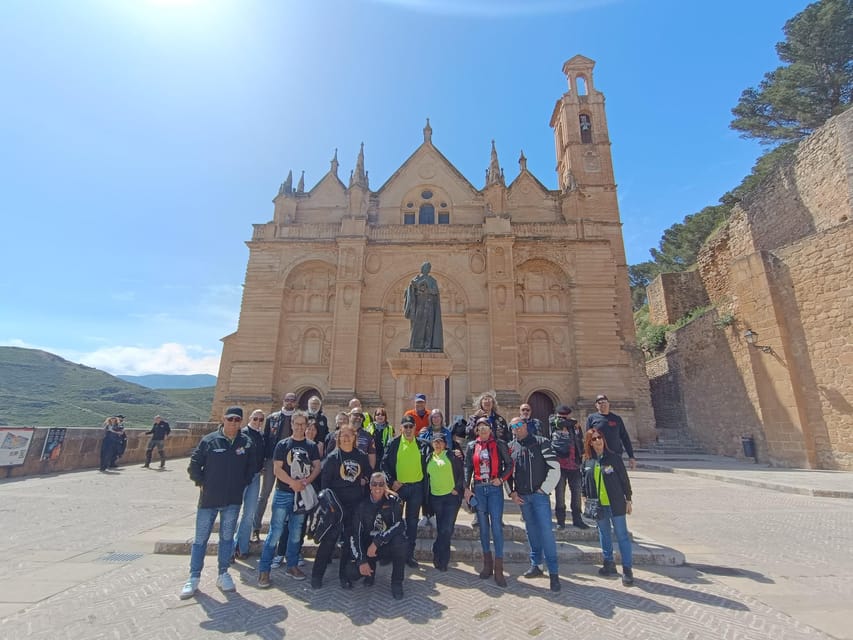
The tour route then heads down along the castle walls, taking you toward the convent of the Descalzas. Even if convent spaces vary by day and access, the tour framing gives you context for what you’re seeing and how the route is laid out.
Finally, you end again at the old bullring. For me, ending at a recognizable public landmark makes the tour feel complete. You start at a protected archaeological area, you move through squares and churches, and you finish in a place that tells you this town has always had public gathering culture.
It’s a nice arc for a 3 hour experience, one that doesn’t feel like a sprint, but does keep a steady rhythm.
How Reliable Is It, and How to Be Smart About That?
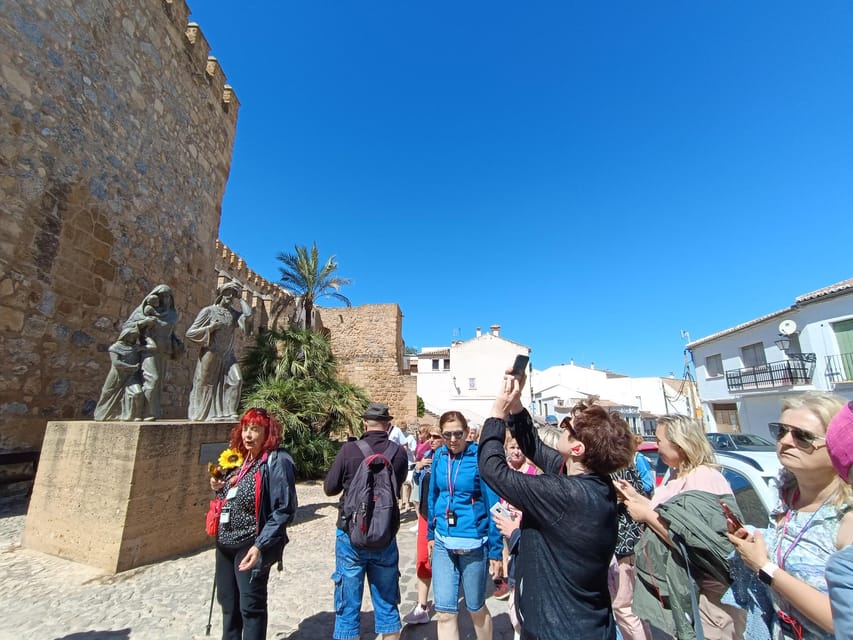
This experience depends on the guide showing up and on the handoff between the dolmens and Plaza del Coso Viejo going smoothly. The overall rating for the tour is not perfect, and a small number of bookings in recent history reported problems like cancellation or the guide not arriving.
So here’s my practical advice: when you book, double-check the confirmed time and meeting point the day before. If you’re arriving by car, park smart and give yourself buffer time. If you have a strict schedule later that day, don’t book two tight appointments back-to-back.
Parking tip that helps you move faster
If you drive, you can park in the plain of the Moraleda, behind the convent of the Discalced Carmelite nuns. It’s only a few minutes walk from Plaza Coso Viejo. That location is useful because your second phase centers on that square.
Who This Tour Is Best For
This is a strong fit if you:
- want a one day Antequera plan with major sights covered
- care about prehistoric sites but don’t want to figure everything out solo
- like guided explanations in Spanish, and don’t need a fully English-speaking experience
It’s also a good choice if you enjoy walking routes that connect monuments with viewpoints and street-level context, rather than hopping between destinations by bus.
If you hate any self-transfer moment at all, or you need a fully escorted experience with no gaps, you’ll want to weigh that drawback carefully before booking.
Should You Book This Antequera Monumental Tour?
I think you should book it if you want the best of Antequera in 3 hours: UNESCO dolmens with real interior access, plus a guided historic center walk that includes big-name stops like the church of San Sebastian, the Arch of the Giants, and the Roman baths.
Book it with your eyes open about logistics. You’ll do one key jump yourself to Plaza del Coso Viejo after the dolmens, and the tour depends on guide reliability. If you’re the type who plans a little buffer and reconfirms details, this format will feel efficient and satisfying rather than stressful.
One more reason I’m positive about it: when the guide is on point, this tour turns into a personal guide-through-Antequera day. One named guide, Sandra, received standout praise for helping people discover Antequera’s charms. That kind of guide energy makes a short tour feel longer and more meaningful.
If you want, tell me your travel month and whether you’re starting from Malaga, Granada, or Seville. I can suggest a sensible time window in Antequera so this fits cleanly into your day.
FAQ
Where do we meet for the tour?
You meet the tour guide at the reception of the Conjunto Arqueológico Dólmenes de Antequera (the dolmens site museum).
How long does the tour last?
The duration is 3 hours.
Which dolmens are included?
The tour includes the dolmens of Menga and Viera.
Is the dolmens visit guided?
Yes. You get a guided visit of the dolmens, including the archaeological museum introduction and guided entry to the dolmens.
What sights in the town are included?
The included historic center visits cover the church of San Sebastian, the Arch of the Giants area, and the Roman baths. The tour also walks through areas tied to the Alcazaba, the convent of the Descalzas, and ends at the old bullring.
Do I need to pay separate entrance fees?
The dolmens guided portion is included, along with the archaeological museum introduction, church of San Sebastian entry, and the Roman baths. Other entrance fees are not included.
What language is the tour guide?
The live tour guide is Spanish.
After the dolmens, do we all stay together?
After the first visit, each person must move on their own to Plaza del Coso Viejo for the second part of the tour.
Where can I park if I’m driving?
You can park in the plain of the Moraleda, behind the convent of the Discalced Carmelite nuns, and it’s a few minutes walk from Plaza Coso Viejo.
What is included in the price, and what is not?
Included: guided visit of the dolmens, guided historic center tour, archaeological museum, guided church of San Sebastian entrance, and Roman baths. Not included: beverages and other entrance fees.
More Tour Reviews in Antequera


Fresh on the Antequera list
Antequera & El Torcal Tours, compared.
 ★ 4.9Caminito del Rey & Antequera: Dolmens and free timeFrom $64605 reviews
 ★ 4.8Antequera: Dolmens and El Torcal Tour with TransferFrom $41124 reviews
 ★ 5.0Guided tour of the Dolmens and El TorcalFrom $4294 reviews
 ★ 4.6Dolmens and El Torcal de Antequera Guided Day TripFrom $7180 reviews
 ★ 5.0Torcal de Antequera Hiking Tour from MálagaFrom $6659 reviews
 ★ 4.8Torcal de Antequera Hiking TourFrom $6558 reviews
 ★ 4.9Guided Hike in El Torcal de AntequeraFrom $7151 reviews
 ★ 4.3Guided visit to the dolmens of AntequeraFrom $1437 reviews
Browse the lists this tour appears in