
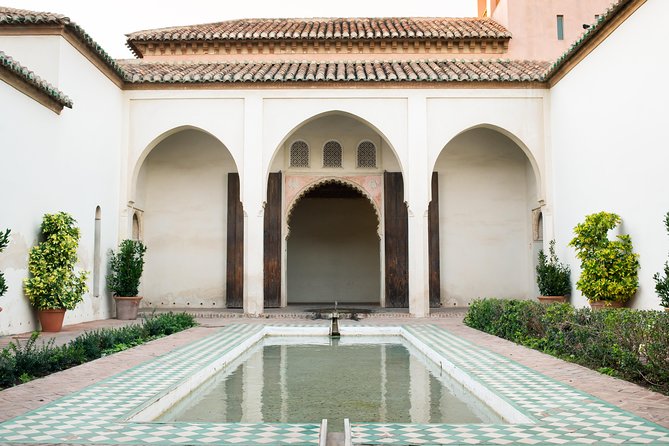
Málaga, coast and all.
The gorge walkway at El Chorro, an Alcazaba morning, tapas after nine and the boat out past Benalmádena: what each one is really like, what it costs, and where to book it.
The ones people fly in for.
Caminito del Rey tickets are capped by the day, the Alcazaba fills by eleven, and the catamaran leaves the port at seven whether you are on it or not. Lock these in before the rest of the trip.
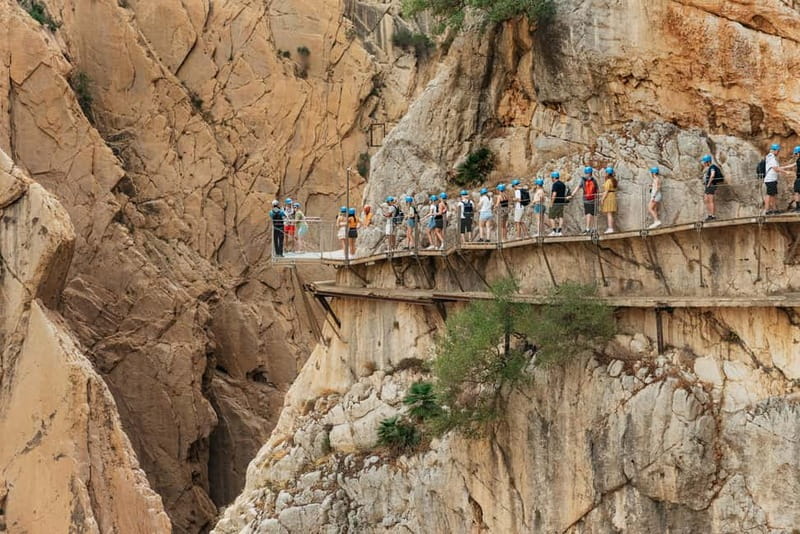
From Málaga & Costa del Sol: Caminito del Rey Guided Tour
Guided Caminito del Rey hike from Málaga, with pickup, helmets, and a safe walk through the Gaitanes gorge for stunning 105m views.
From $67 per person
Read the review → ★ 4.7The classicEl Chorro: Caminito del Rey Guided Tour with Shuttle BusFrom $447,091 reviews
 ★ 4.4Books out earlyGibraltar TourFrom $384,483 reviews
 ★ 4.7Coast favouriteTeatro Flamenco Malaga Live Flamenco ShowFrom $344,254 reviews
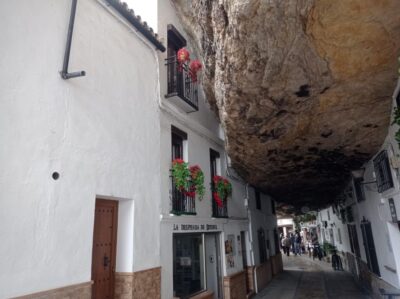 ★ 4.6Half a day, easyRonda+Setenil de las Bodegas with Little TrainFrom $344,115 reviews
 ★ 4.6First-timer pickFull-Day Trip to GibraltarFrom $353,516 reviews
 ★ 4.6Sunset slotSunset Catamaran TripFrom $273,200 reviews
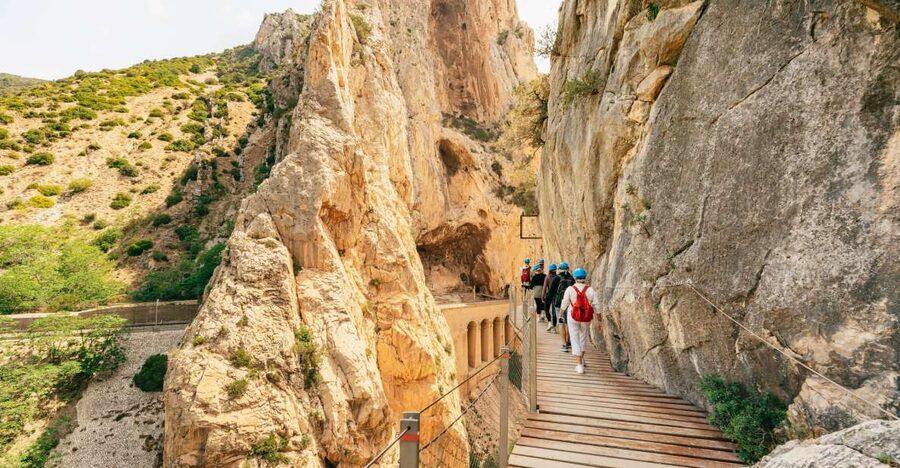
A metre wide, a hundred metres up.
The boardwalk is bolted to the wall of the El Chorro gorge, one way only, hard hat on at the gate. Coaches leave Málaga and the coast towns early, you walk about three hours with the Guadalhorce roaring below, and you are back on the sand by mid afternoon. Numbers are capped daily, so this is the booking to make first.
Which day trip gets your one spare day?
Most weeks here have room for exactly one big day away from the beach. Three that earn it, and what each one asks of you.
 The big walk
The gorge day
from $69 · 12,183 reviews
Up to El Chorro by coach, hard hat at the gate, then three hours on a boardwalk pinned to the cliff face. Steady walking, no scrambling, and a shuttle back down the valley at the end. Go on a clear morning; the walkway is fully exposed and the daily ticket count is fixed.
Compare the gorge days →
White villages
The sierra day
10 hours · from $34 · 4,115 reviews
Inland to the bridge over El Tajo, then Setenil de las Bodegas, where a whole street lives under a slab of rock. Long hours on the coach, short easy walks at either end, and two towns you will photograph far more than you planned to.
See the Ronda days →
The big walk
The gorge day
from $69 · 12,183 reviews
Up to El Chorro by coach, hard hat at the gate, then three hours on a boardwalk pinned to the cliff face. Steady walking, no scrambling, and a shuttle back down the valley at the end. Go on a clear morning; the walkway is fully exposed and the daily ticket count is fixed.
Compare the gorge days →
White villages
The sierra day
10 hours · from $34 · 4,115 reviews
Inland to the bridge over El Tajo, then Setenil de las Bodegas, where a whole street lives under a slab of rock. Long hours on the coach, short easy walks at either end, and two towns you will photograph far more than you planned to.
See the Ronda days →
 Nasrid palaces
The Alhambra day
10 hours · from $128 · 3,235 reviews
Two hours each way for the Nasrid Palaces, the Generalife gardens and an entry slot you cannot move. Worth the drive if you have never seen it, but book a tour that includes palace entry: standalone tickets go months ahead.
See the Alhambra days →
Nasrid palaces
The Alhambra day
10 hours · from $128 · 3,235 reviews
Two hours each way for the Nasrid Palaces, the Generalife gardens and an entry slot you cannot move. Worth the drive if you have never seen it, but book a tour that includes palace entry: standalone tickets go months ahead.
See the Alhambra days →
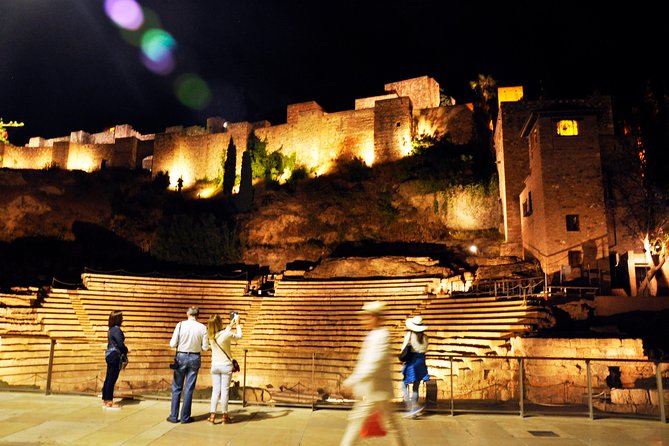
The city only fills up after nine.
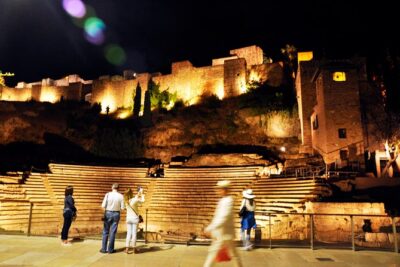
Floodlights come up on the Roman theatre under the fortress wall. The bars on Calle Granada pour sweet Málaga wine straight from the barrel. The flamenco rooms run two shows a night and the second one is always the better one. This is the hour the beach towns hand the evening back to the city.
Tapas is a route, not a restaurant.
Two plates, pay, move on. These walks string together the counters worth stopping at, from the barrels off Plaza de la Merced to the fried fish by the port and the vineyards up behind the city.



Most of this coast reads better from a boat.
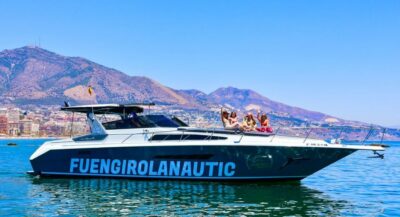
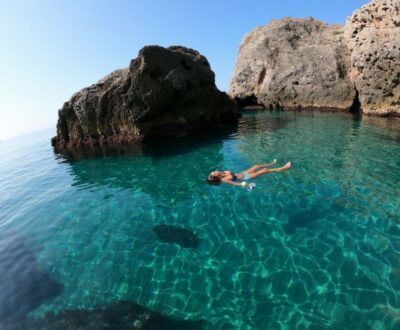
Catamarans leave the port most afternoons. The dolphins sit a few miles out past Benalmádena and Fuengirola. At Nerja the kayaks paddle in under the Maro waterfall. Half a day each, and take more sunscreen than you think.


White villages, an hour off the beach.
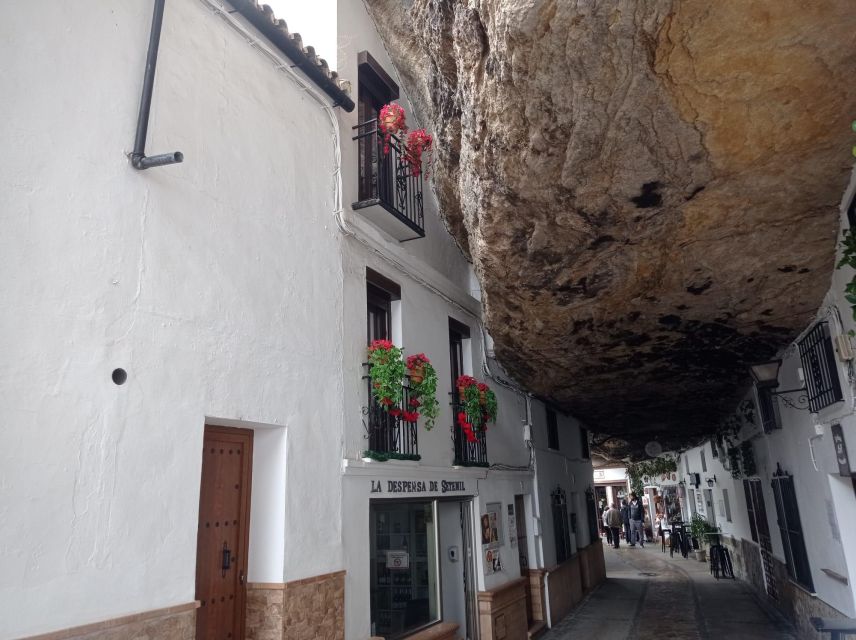
Ronda splits in two over a gorge you hear before you see. Setenil built its main street underneath the rock instead of around it. Frigiliana stacks itself above Nerja in whitewash and cobbles too steep for cars. The coast road forgets these places exist; the day trips do not.
Pick your stretch of coast.
Málaga for the fortress and the museums. Marbella for the marina. Nerja for the cliffs and the cave. Mijas for white streets looking straight down at the sea.

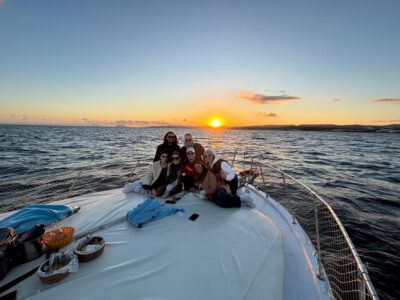
Know what kind of day you want?
Twelve ways to spend an afternoon here, each one already priced and written up.

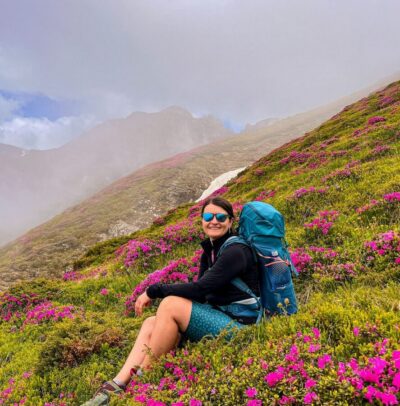

Out at eight, back for a late dinner.
Andalusia sits close from here. The gorge walkway, the bridge at Ronda, the Alhambra, the Rock, and Morocco if you want a passport stamp with your day trip.

Three days on this coast.
Nobody sees the whole province in a long weekend, but three days will get you the city, the water and one proper day inland. This is the order that works.
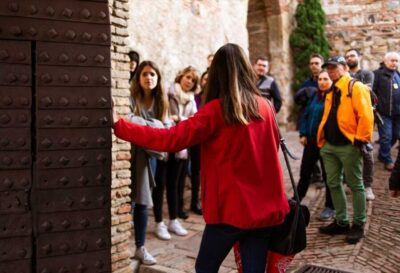 Day 1
Start in the old town
Alcazaba and the Roman theatre before the heat arrives, the cathedral, then Picasso. Save the tapas walk for the evening, when the streets cool down and the counters fill.
Plan day one →
Day 1
Start in the old town
Alcazaba and the Roman theatre before the heat arrives, the cathedral, then Picasso. Save the tapas walk for the evening, when the streets cool down and the counters fill.
Plan day one →
 Day 2
Get out on the water
A catamaran out of the port, or the dolphin boat from Benalmádena. Afternoon on the sand at Marbella or Nerja, then back for the sunset sail if the wind behaves.
Plan day two →
Day 3
Head inland
The gorge walkway on an early pickup, or the sierra loop through Ronda and Setenil. Either way the coach has you back on the coast in time for dinner.
Plan day three →
Day 2
Get out on the water
A catamaran out of the port, or the dolphin boat from Benalmádena. Afternoon on the sand at Marbella or Nerja, then back for the sunset sail if the wind behaves.
Plan day two →
Day 3
Head inland
The gorge walkway on an early pickup, or the sierra loop through Ronda and Setenil. Either way the coach has you back on the coast in time for dinner.
Plan day three →
Newest on the Málaga coast.
 ★ 5.0Walk and dolphin watching in Fuengirola + 1 drinkFrom $403 reviews
 ★ 5.0Malaga to Granada trip with Alhambra tickets includedFrom $7853 reviews
 ★ 4.0Self-Guided Wine & Tapas Walking TourFrom $513 reviews
 ★ 5.0Marbella: views from a yacht for one or two hoursFrom $2943 reviews
 ★ 4.5Shared Sailboat Experience Feel nature with dolphinsFrom $803 reviews
 ★ 4.5Private 4-hour City Tour of MalagaFrom $4413 reviews
 ★ 5.0Private Sunset Sailing TripFrom $4003 reviews
 ★ 4.5Marbella: Private Customizable Walking Tour with GuideFrom $533 reviews